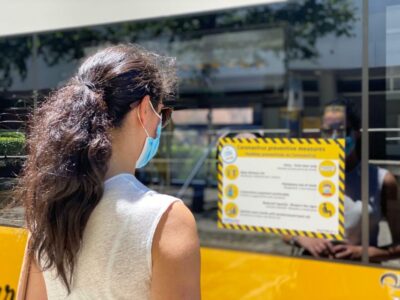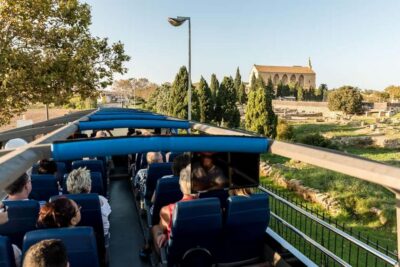
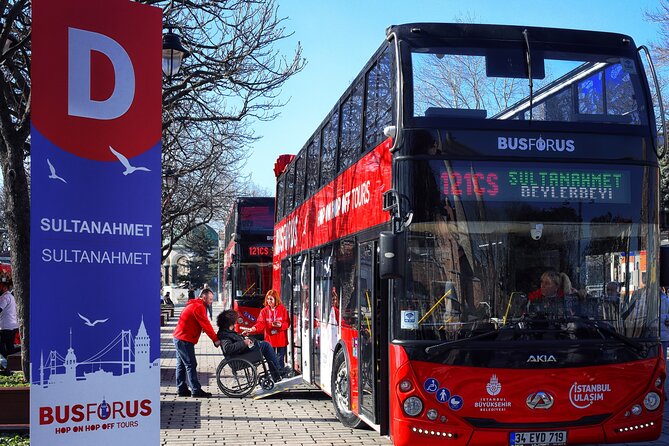
First up: it’s the fast lane to your Istanbul plan. This hop-on hop-off bus route strings together major sights on both sides of the Bosphorus, with a multi-lingual audio guide and onboard Wi‑Fi so you can connect the dots as you go. I especially like that the route is built around Sultanahmet, so you can start with the places most first-timers want most.
Two more things I like: you can hop on and off as many times as you like across 12 different stops, and the Sultanahmet starting point is centrally located near the neighborhoods you’ll most likely explore on foot. One drawback to plan for: Istanbul traffic can make the ride slow, and some departures/stops may feel tight if the bus is overcrowded or delayed.
In This Review
- Key Highlights You Should Know Before You Ride
- Getting Oriented Fast: What This Hop-On Hop-Off Route Really Does
- Price and Time: Does $70 Buy You Real Value?
- Starting in Sultanahmet: The Smart Launchpad for Old City Sights
- Eminönü and the Spice Bazaar Area: History and Shopping in One Breath
- Karaköy and the Galataport Area: A Break from Old City Rules
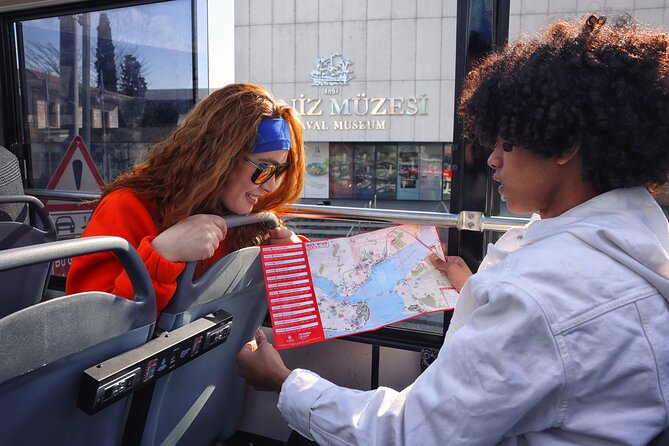
- Dolmabahçe Palace and the Naval Museum: Ottoman Power, Up Close
- Beylerbeyi Palace on the Asian Side: One Stop, Big Change of Perspective
- Beşiktaş Bazaar and Taksim: Market Smarts Meet City Energy
- Şişhane Sokak: A Neighborhood in Transition
- Egyptian Bazaar Again: Why the Spice Bazaar Stop Matters
- Logistics Reality: Istanbul Traffic Can Turn a Loop Into a Wait
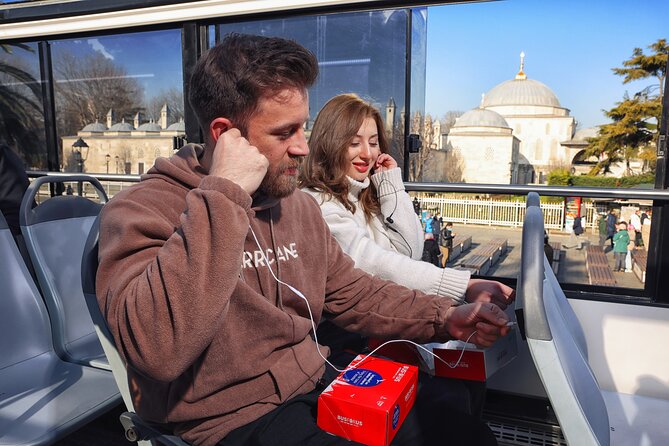
- Onboard Audio and Wi‑Fi: The Small Tech Details That Help
- Which Stops Should You Prioritize?
- Who This Tour Fits Best (and Who Might Want Another Plan)
- Should You Book This Istanbul Hop-On Hop-Off Red Bus?
- FAQ
- How long is the Istanbul Hop-on Hop-off Red Bus experience?
- How many stops are on the route?
- Is there an audio guide and Wi-Fi on the bus?
- Where does the tour start?
- What languages is the tour offered in?
- Can I hop on and off as many times as I want?
- Is the route on both sides of Istanbul?
- What is the cancellation policy?
- Exit Strategy: Make It Work Even If the Bus Is Delayed
Key Highlights You Should Know Before You Ride
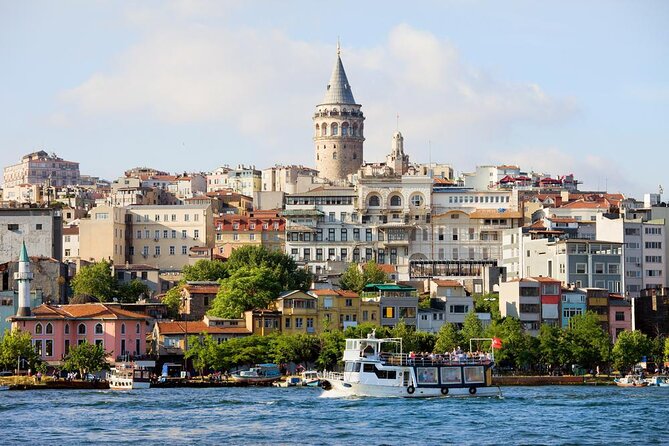
- 12 hop-on stops covering Europe and Asia, so you can build a route that matches your interests.
- Audio guide + onboard Wi‑Fi, helpful for figuring out what you’re seeing without hunting for a guidebook.
- Easy start in Sultanahmet, handy for connecting to Hagia Sophia area sights and Old City walking.
- Dolmabahçe, Naval Museum, and Ottoman sites that give the city’s imperial story a clear outline.
- Taksim and İstiklal Caddesi access, so you can blend classic landmarks with modern Istanbul energy.
- Spice Bazaar and Grand Bazaar area stops, perfect when you want a shopping walk with strong payoff.
Getting Oriented Fast: What This Hop-On Hop-Off Route Really Does
Istanbul is big, hilly, and full of layers. The big win of this Red Bus is that it helps you get an overview in one day, without committing to a strict schedule. You’re not just passing famous spots—you’re getting a moving line that links Old City history, Bosphorus views, and modern districts into one continuous story.
The other big value is how flexible it feels. With hop-on hop-off freedom, you can treat the bus like your “transit backbone,” then use walking and short rides to zoom in where you want more time—like mosque courtyards, palace grounds, or a marketplace wander. The route’s stop mix also makes sense for first-timers: it includes Sultanahmet, Eminönü, Karaköy/Galataport, Beşiktaş, and Taksim, plus the Asian-side highlight at Beylerbeyi.
Now for the reality check: this is still a bus in Istanbul traffic. Some people report long waits on the road, overcrowded vehicles, and short stop windows that make hopping off feel rushed. That doesn’t make the tour useless—it just means you should plan with buffer time and a “ride early, hop smart” mindset.
Price and Time: Does $70 Buy You Real Value?
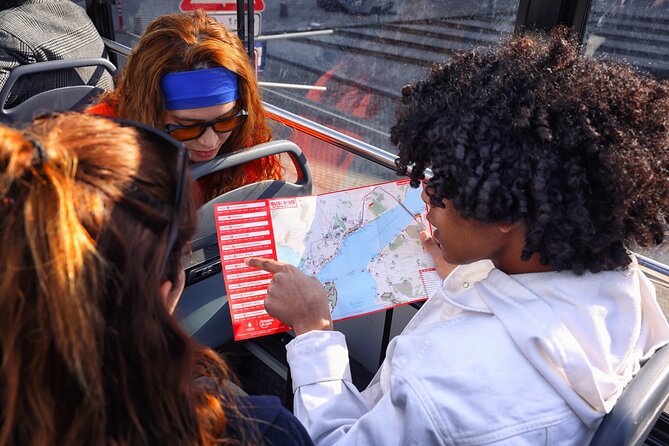
At $70 per person for an approximate 1-day loop, you’re paying for convenience and time-saving more than comfort or speed. If you’re the type who wants to sample lots of neighborhoods on day one, the ticket can pay off quickly because the cost spreads across multiple stops and sides of the city.
Where the value gets shaky is when traffic squeezes your actual time at each stop. If your ride turns into long stretches of sitting, you can end up spending more time waiting than sightseeing. Some feedback also points to buses running late and certain stops feeling too brief to hop off comfortably, especially when the bus is packed and passengers can’t see out easily.
My practical take: this is worth it if you go in with clear priorities.
- Use the bus to reach major areas fast.
- Pick one or two “must-hop” stops per day, not all twelve.
- Treat the rest as pass-by orientation unless you’re seeing the bus is running on schedule.
Starting in Sultanahmet: The Smart Launchpad for Old City Sights
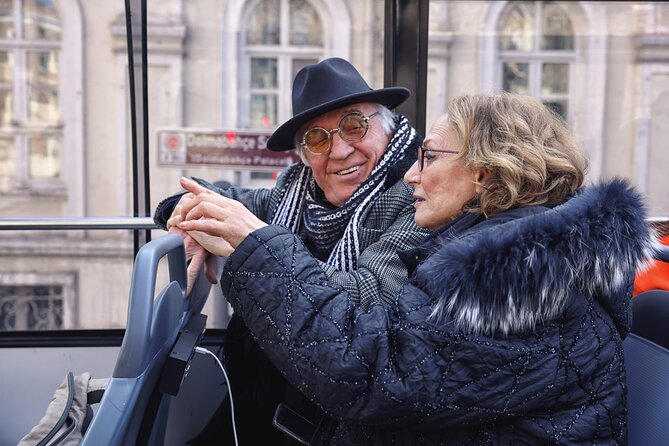
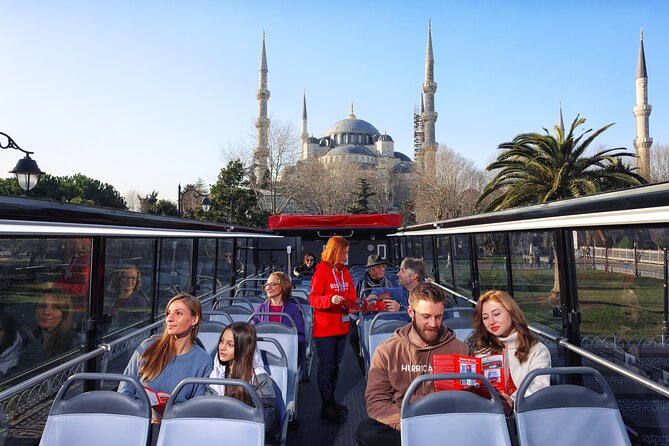
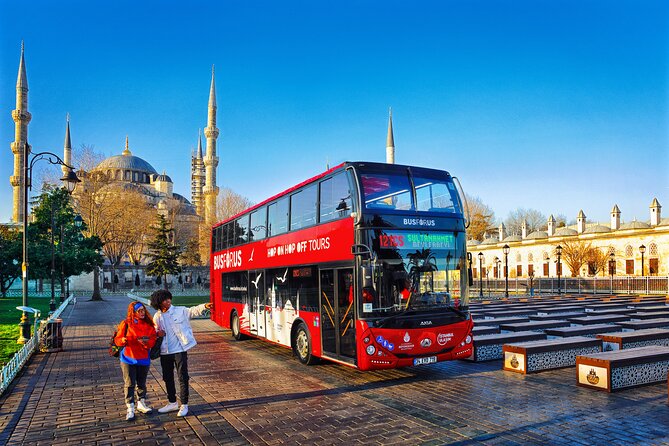
Your day begins in Sultanahmet, which is a smart choice because it anchors you in the core of Istanbul’s most iconic sightseeing. From this area, you’re close to Hagia Sophia and the Blue Mosque—plus you’ll get the nearby landmark rhythm of Ottoman and early Byzantine-era history.
This stop area isn’t just about one building. Sultanahmet Square sits near the Egyptian Obelisk of Theodosius and the Stone of Million ruin. That matters because it gives you more than one “photo stop.” It’s the kind of cluster where, if you hop off and walk, you can stitch together a mini walking circuit without needing extra transport.
One thing to watch: this area is also one of the busiest in the city. If you’re heading out right when you get off the bus, keep your pace steady and expect crowds near the big-name sights.
Eminönü and the Spice Bazaar Area: History and Shopping in One Breath
Next up is Eminönü, a neighborhood built around ferry connections and intense market energy. If you like sensory city travel—color, sound, and smells—this is where Istanbul delivers. You’ll be in range of the Egyptian Bazaar, known as the Spice Bazaar, and also near the Grand Bazaar area’s maze of shops.
What makes this stop work is the mix of shopping and landmark context:
- You’re near the Süleymaniye Mosque.
- You’re also close to the Rustem Pasha Mosque, famous for its Iznik tile decoration.
For you, that means you can do a shopping walk where the shopping makes sense, not just random browsing. The Spice Bazaar’s covered stalls are ideal if you want to pick up spices, tea, or gifts and still have a comfortable place to pause.
Potential drawback: if the bus is delayed or overfull, hopping off here can feel harder. Market stops can be busy, and standing passengers can reduce visibility back onto the route.
Karaköy and the Galataport Area: A Break from Old City Rules
Karaköy is a tonal shift. It’s a harbor district where modern cafés and cocktail bars share space with neighborhood businesses. You also get the feel of a creative district—studios, boutiques, and a modern art gallery scene—set inside Ottoman-era structures and street art.
Then the route reaches Galataport Istanbul, a cruise ship port and mixed-use development at the edge of the Golden Horn. This stop is especially useful if you want Bosphorus-side atmosphere without jumping straight into palace-level sightseeing.
Why I think this segment is valuable: it offers a different Istanbul face. Instead of only Ottoman and Byzantine landmarks, you’re also seeing how the city lives now—casual, walkable, and fun to explore in short stretches.
Practical tip: if you only have one short hop in this area, aim for whichever matches your day’s mood—Karaköy for neighborhood wandering, Galataport for waterfront strolling.
Dolmabahçe Palace and the Naval Museum: Ottoman Power, Up Close
Beşiktaş is where the route starts turning more “imperial” and less “market.” You pass Dolmabahçe Palace, which served as a major administrative center of the Ottoman Empire during two key periods: 1856–1887 and 1909–1922. Even if you don’t go inside (some people may choose to just view and orient), the area around the palace helps you picture the empire’s later era.
The route then includes the Naval Museum, established in 1897 by Ottoman Minister of Navy Bozcaadalı Hasan Hüsnü Pasha. The museum focuses on military artifacts connected to the Ottoman Navy. This is the kind of stop that rewards you if you like theme-based sightseeing—maritime power, state history, and military design—rather than only religious architecture.
Possible drawback: palace and museum areas can require more time than you think, especially when you’re juggling hop-on hop-off limits. If you want serious time inside, you’ll need to treat this as a main event, not a quick photo stop.
Beylerbeyi Palace on the Asian Side: One Stop, Big Change of Perspective
One of the neat advantages of this tour is that it includes Beylerbeyi Palace on the Asian side, in Üsküdar (just north of the First Bosphorus Bridge). Beylerbeyi means Lord of Lords, and the palace was an Ottoman summer residence built between 1861 and 1865.
Even with limited time, this stop works because it changes your perspective. You see Istanbul from the other side of the Bosphorus, and you’ll likely get a better feel for the strait’s scale—how neighborhoods connect, how the bridge anchors movement, and how “two continents” becomes real instead of a tourist slogan.
Trade-off: Asian-side transfers can feel longer if the bus hits delays. If you’re trying to time a museum-style visit, give yourself a little more patience than you think you need.
Beşiktaş Bazaar and Taksim: Market Smarts Meet City Energy
The route passes through Büyük Beşiktaş Çarşısı, a popular Sunday market in the Beşiktaş district. It’s the kind of place where you get a wide range of goods, from everyday items like tomatoes to more special finds like exclusive jewelry. If you want shopping that feels more local than tourist-souvenir-only, this is a logical hop.
Then comes Taksim Square, with the Republic Monument. Taksim is a busy nightlife and shopping/dining hub. You also get access to İstiklal Caddesi, the city’s main pedestrian boulevard, lined with 19th-century buildings and packed with cafés, movie theatres, and shops. There are also vintage trams along the boulevard, which adds a classic visual rhythm to a modern street.
This pairing is great because it lets you choose your experience:
- Market energy at Beşiktaş Bazaar.
- Boulevard energy at İstiklal/Taksim, with more modern city motion.
Possible drawback: Taksim is crowded. If the bus is behind schedule, it can be harder to manage crowds, short stop windows, and your own decision-making fast.
Şişhane Sokak: A Neighborhood in Transition
Şişhane Sokak is described as having moved from a more traffic-and-lighting-shop reputation to a neighborhood undergoing transformation. The area also has fin-de-siècle buildings and benefits from the new metro station, which makes it more accessible than it used to be.
This stop is the one I’d treat as a “walk for context” hop rather than a must-do. It’s good if you want to see how Istanbul changes block by block, not just stand in front of the famous monuments.
If you’re short on time, prioritize the big landmarks first and use Şişhane as a flexible add-on.
Egyptian Bazaar Again: Why the Spice Bazaar Stop Matters
You’ll pass the Egyptian Bazaar stop—again referencing the Spice Bazaar area in Eminönü. This covered bazaar is one of Istanbul’s largest and is described as the most famous covered shopping complex after the Grand Bazaar.
Why this matters: Spice Bazaar shopping is fast to enjoy but slow to finish. There are so many stall choices that you might find yourself lingering, tasting, and comparing. If you want to buy gifts or spices, this is the easiest kind of shopping stop to justify.
Watch-out based on the general bus feedback: if you’re hopping during peak congestion, you could feel rushed at the stop. If this is a priority, plan a longer block of time off the bus here.
Logistics Reality: Istanbul Traffic Can Turn a Loop Into a Wait
Let’s be honest about what can change your day. Multiple pieces of feedback point to a pattern: Istanbul traffic can be severe, and buses can be overcrowded. When the bus is full, you may stand for long stretches and struggle to see out the windows. Hard seating also gets mentioned as a comfort issue.
Timing also seems unpredictable. Some people describe starting late, arrivals that don’t feel consistent, and stop times that are too short for a calm hop on/hop off rhythm. There’s also mention of signage confusion—when you’re trying to find the pickup point or figure out where the route stops next, unclear markings can add stress.
My advice if you buy this ticket:
- Use the bus as your overview tool, not a precise appointment.
- Start early in your day if you can.
- Choose a few “anchor stops” and accept that others might be pass-by.
If you’re the type who hates uncertainty, this may require extra patience. If you can handle a little chaos for a big payoff in orientation, it can work beautifully.
Onboard Audio and Wi‑Fi: The Small Tech Details That Help
One of the most praised elements here is the audio experience. The onboard multi-lingual commentary and the clear audio system help you connect what you’re seeing to what it actually is—especially at landmark-dense stops like Sultanahmet, Eminönü, and the palace/museum segment.
The onboard Wi‑Fi is another helpful touch. You can check transit options, look up opening times, or save your next stop plan while you’re still on the ride.
Comfort is mixed. The bus can feel crowded, and seating can be described as hard. So if you know you’ll want longer stretches of riding without standing, aim to get on early and position yourself strategically when the bus is not packed.
Which Stops Should You Prioritize?
If you want a practical “smart day” plan, focus on stops that match how you like to travel:
- First-time history and iconic skyline: Sultanahmet (Blue Mosque area, Hagia Sophia area, obelisk and Stone of Million).
- Markets plus major religious landmarks: Eminönü / Spice Bazaar (and easy proximity to Süleymaniye and Rustem Pasha).
- Bosphorus-side atmosphere and modern neighborhood feel: Karaköy and Galataport.
- Ottoman power themes: Dolmabahçe and the Naval Museum.
- Two-continents payoff: Beylerbeyi on the Asian side.
- City energy and shopping: Taksim and İstiklal Caddesi.
Pick 2–4 of these as real hop-off goals. Treat the others as “see from the window” unless the bus schedule is behaving.
Who This Tour Fits Best (and Who Might Want Another Plan)
This tour fits you if:
- You want a fast overview of Istanbul’s big neighborhoods.
- You like using transit passes to guide your day.
- You’re comfortable with possible delays and crowds in exchange for convenience.
It might not fit you as well if:
- You hate waiting in traffic and need tightly timed sightseeing.
- You expect a calm, uncrowded ride from start to finish.
- You’re going to demand multiple museum stops in one day without time buffers.
If you want a relaxed, museum-heavy day, you might prefer choosing fewer stops and pairing them with other direct transport options rather than relying on the bus loop for everything.
Should You Book This Istanbul Hop-On Hop-Off Red Bus?
I’d book it if your goal is to get your bearings and see Istanbul’s main building blocks across Europe and Asia in one day—especially if audio guidance helps you learn as you go. At $70, it’s best when you’ll use the flexibility: hop off where you care most, then hop back on when you want to move.
I would skip it or plan differently if you know you’re sensitive to uncertainty, long delays, or overcrowding. Istanbul traffic can’t be bullied, and this tour can’t fix that. But if you bring patience and pick smart hop-off targets, the route can give you exactly what a first-day plan needs: direction, variety, and a clear sense of where to focus your next hours.
FAQ
How long is the Istanbul Hop-on Hop-off Red Bus experience?
It’s listed as approximately 1 day.
How many stops are on the route?
The route includes 12 different stops.
Is there an audio guide and Wi-Fi on the bus?
Yes. There’s a multi-lingual audio guide and onboard Wi-Fi.
Where does the tour start?
It starts in Sultanahmet, a centrally located area.
What languages is the tour offered in?
English is offered, and the audio guide is multi-lingual.
Can I hop on and off as many times as I want?
Yes. You can hop on and off as many times as you like.
Is the route on both sides of Istanbul?
Yes. The stops include areas on the European side and the Asian side (including Beylerbeyi).
What is the cancellation policy?
Free cancellation is available up to 24 hours in advance for a full refund.
Exit Strategy: Make It Work Even If the Bus Is Delayed
If your priority is not just photos but actual time at sights, keep a simple plan:
- Choose your top 2 hop-off goals before you board.
- Expect traffic to slow things down.
- Use the bus as orientation, then switch to walking or other quick connections when a specific stop is critical.
With that mindset, the Istanbul Red Bus can be a solid first-day tool—and a good way to decide what deserves your next visit.