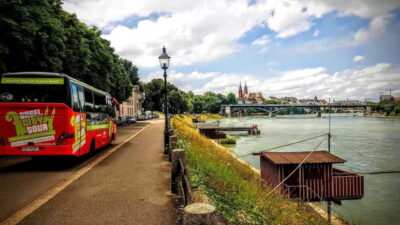
Riding a loop bus turns planning into play. I like that you can shape the day with hop-on hop-off freedom, and I also like the on-board audio so you’re not guessing what you’re looking at. One thing to keep in mind: schedules and route options can change, and right now the service may run only the Historic Downtown Route (9:00 a.m. to 7:00 p.m.).
This is the kind of Mexico City sightseeing that fits real life. You can skip taxis and public-transit stress, take breaks when you want, and keep moving when you’re ready.
The ride is set up to help you learn while you’re in transit. You’ll hear commentary in English (plus other languages), and you’ll get a Mexico City coupon booklet for discounts on local experiences.
In This Review
- Key things I’d plan around
- How the Route System Lets You Build a Mexico City Day
- Booking and Boarding: Mobile Tickets, Vouchers, and Audio Headphones
- Where to Sit: Open-Top Photos vs Air-Conditioned Comfort
- Stop-By-Stop: Historical Center and Reforma in One Flow
- Polanco and North City: Soumaya, Antara, and the Design-Business Belt
- Southbound Sights: Roma Markets to Coyoacán and the Art-Minded Stops
- Basilica Route Squares: Zócalo, Garibaldi, Tlatelolco, and a Backup Plan
- Timing Tips for a Smooth 3-Hour Hop-On Hop-Off Ride
- Coupon Booklet and Stop Guide: Getting More for Your Time
- Is This Worth It? Who Should Book and Who Might Skip
- Should you book this tour?
- FAQ
- What language is the audio available in?
- How long is the Turibus hop-on hop-off tour?
- Can I hop on and hop off as often as I want?
- What seating options are available on the bus?
- Does one ticket cover multiple routes?
- What happens if the bus can’t go to the Basilica?
- Are there Sunday schedule changes?
- Can I cancel for a full refund?
Key things I’d plan around

- Themed routes with a build-your-own itinerary so you’re not stuck in a rigid loop
- Mobile ticket + voucher boarding at stops, with digital audio on board
- English on-board commentary using the headphones provided at the ticket office
- Open-top or air-conditioned seating depending on how hot (or photo-hungry) you feel
- Coupon booklet + stop guide that can turn a pass into something extra
- Sunday detours and route changes due to Ciclotón street closures and other disruptions
How the Route System Lets You Build a Mexico City Day
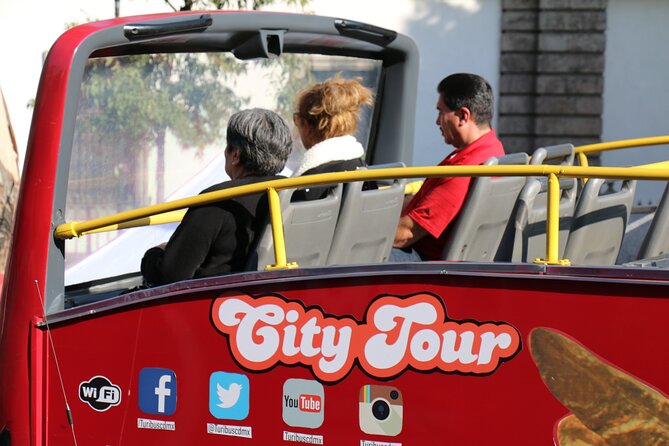
Turibus is set up for pacing. Instead of getting herded from one place to the next, you ride, listen, hop off for a breather, then board the next bus passing through the route. That matters in Mexico City, where you can easily burn energy if you’re jumping between neighborhoods with taxis or complicated transit connections.
The bigger value here is that your ticket is tied to routes, not just a single line. You can use your voucher to cover the four themed routes—Historical Center, Polanco, South, and Basilica—over one or two days depending on what you chose at booking, plus the coupon booklet. You’re also not locked into returning to the starting point. You can end the tour at any stop you wish along the routes.
Now the catch: service can be limited right now. The operator states that until further notice the Turibus Hop On Hop Off service will only operate the Historic Downtown Route, running 9:00 a.m. to 7:00 p.m. If you’re counting on hitting multiple routes on a tight trip, I’d double-check what’s running for your travel dates before you commit to a multi-route plan.
Booking and Boarding: Mobile Tickets, Vouchers, and Audio Headphones
Start with the simplest part: you’ll have a mobile ticket (voucher) you show at the stops to board. That cuts down on paperwork and makes it easier to fit into your arrival day. Most stops are also described as being near public transportation, which is handy if you need to reposition yourself before you board.
Boarding is also about audio. After you get your headphones at the ticket office, you follow the digital audio system for the sights along the route. The tour is offered in English, and the system is described as multilingual digitally—so you’re not stuck with silence or guesswork when a stop passes quickly.
Practical tip: when you’re planning your day, pick your “must-see” stops first, then build in extra time for the stops you’re curious about. Hop-on hop-off works best when you treat it like a backbone, not a timer. The tour itself is listed as about 3 hours (approx.), but your experience can be longer if you hop off often.
Where to Sit: Open-Top Photos vs Air-Conditioned Comfort
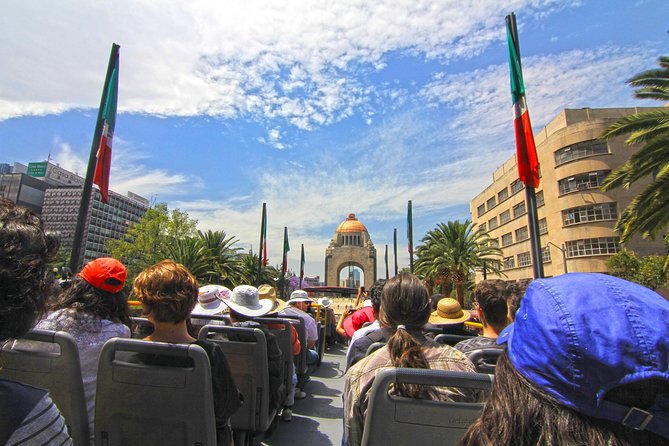
You get a choice of seating style: open top for views, or the lower level that’s air-conditioned. This is more important than it sounds. In an open-top seat you’ll spot architecture and street life better, and you’ll be ready for photos as soon as something interesting lines up with the route. In the air-conditioned section, you’ll stay calmer and more comfortable if the day turns warm or if you want less sun in your face.
My rule of thumb is simple. If you’re arriving early and want photos, lean toward open-top. If you’re tired, it’s midday, or you’d rather focus on listening and relaxing, take the air-conditioned lower level.
Either way, you should plan for motion. You’re riding in transit between stops, and that means you’ll catch sights best when you’re not staring down at your phone. Let the audio guide your attention, then hop off when you see something you want to explore on foot.
Stop-By-Stop: Historical Center and Reforma in One Flow
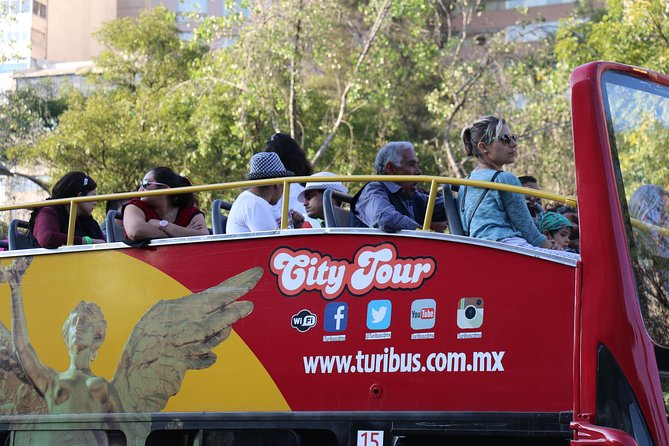
This is the kind of route that helps you connect the dots across a big chunk of central Mexico City. You’ll see a sequence of major landmarks and neighborhood transitions that are easy to follow even if you’re new to the city.
Here’s how to think about the key stops on this stretch, and what each one is good for.
Auditorio Nacional is a strong anchor point. It’s a first stop that helps you start your day with momentum, especially if you want to orient yourself before you head deeper into central sights.
Museo de Arte Moderno is an easy “reset” option. If you’re feeling a little heat or walking fatigue, museum stops are perfect for changing gears without needing long breaks between buses.
La Condesa is a practical neighborhood hop. You’re close enough to streets and local life to walk a bit, but still far enough that you can keep moving without needing to plan a long transit route.
Fuente de Cibeles is a classic photo-and-break stop. Use it when you want a short pause that doesn’t demand a big schedule commitment.
Cultural Center Casa Lamm is a good stop if you want culture without treating your whole day like a checklist. Even if you don’t go inside (if it’s not your thing), you’ll still benefit from having a specific landmark where you can hop off and re-board easily.
The Angel of Independence appears more than once on the route list. That’s useful. You can use the first pass as a quick viewing moment, then use the later time to linger if you want to come back when your energy is higher.
Av. P.º de la Reforma 222 is one of those “grab a view from the street” stops. It’s helpful for stretching your legs while staying on a route corridor that’s designed for sightseeing.
Museo de Cera adds a lighter, more playful break to the lineup. If you want something different from the big monument-and-museum rhythm, this kind of stop can refresh your day.
Monument to Cuauhtémoc works well as a photo stop and a mental milestone. It’s another point where you can decide to stay on the bus or get off to take a longer look.
Av. Juárez 50 is a practical “move through the city” stop. If you like wandering shopping streets or you simply need a strategic pause to regroup, this is the kind of stop that helps.
Zócalo is the big central square option on this list. It’s the stop you choose if you want your itinerary to feel anchored in the heart of the city. This is also where you’ll probably want extra time, because central squares are usually the kind of places where you drift longer than you planned.
Plaza Manuel Tolsá gives you another central-square-style break. Think of it as a follow-up stop that helps you continue your walking loop without losing time to long transfers.
Museo Franz Mayer is another “museum for a pause” stop. It’s handy when you want to break up the outdoors portion of your day.
Plaza de la República is a second open-space anchor. If you’re starting to feel like you’re only hopping between buildings, a plaza stop adds breathing room.
Museo San Carlos is a steady museum option on the route. If you like museums, it fits. If you’re not in a museum mood, you can treat it like a quick hop-off and re-board point.
Reforma L1 appears as a specific stop name, and that’s useful because it tells you the route intersects with a transit corridor. That makes it easier to connect your bus day to other plans without doing guesswork.
Then you loop again with The Angel of Independence, followed by Paseo de la Reforma – Río de la Plata. This section is more about the ride corridor—nice if you like window-view sightseeing between stops.
Finally, Museo Nacional de Antropología is the end-of-line museum-type stop on this sequence. If you want your sightseeing day to close with a bigger destination, this is the stop to aim for near the end of your time window.
Polanco and North City: Soumaya, Antara, and the Design-Business Belt
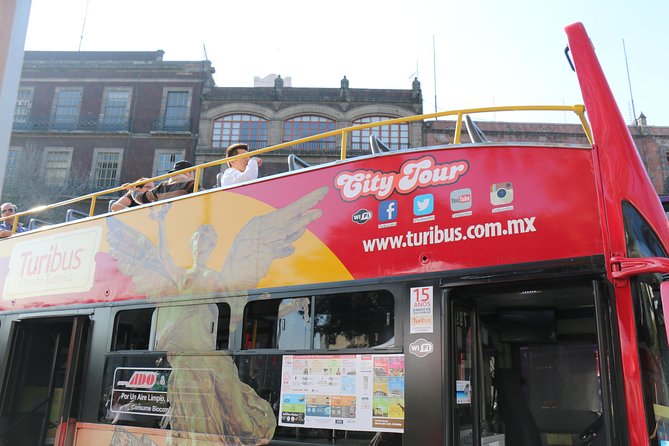
If you’re using more than the Historic Downtown Route, Polanco is the route list that feels more modern and structured. It includes a run of stops that land you near shopping, cultural institutions, and “walkable with a purpose” streets.
Auditorio, Bicigratis starts the list here again, which is useful because it keeps route changes logical if your day is split across themes. After that, Calle Arquímedes works as a street-level pause if you want a short walk before the bigger stops.
Avenida Presidente Masaryk is a major corridor stop. It’s a good place to hop off if you want to browse and re-board without switching transport modes.
Antara is one of the stops that signals convenience. If your trip includes a day when you want predictable foot access and fewer planning headaches, this kind of stop fits.
Museo Soumaya is the big museum-style anchor on this route list. Use it if you want more indoor time as a change from street sightseeing.
Hipódromo de las Américas is another open-area style stop. It’s a useful moment to step out and get some space.
Papalote Museo del Niño tells you this route can serve families or anyone who likes hands-on museum breaks. Even if you’re not a kid-museum person, having a clear destination stop can still help you structure your day.
Southbound Sights: Roma Markets to Coyoacán and the Art-Minded Stops
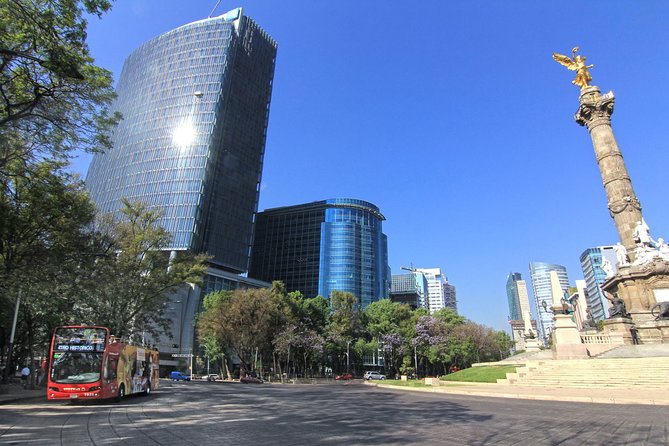
The South route list reads like a blend of markets, major sports or events venues, big educational areas, and neighborhood vibes. It’s a smart choice if you want to feel different parts of the city instead of staying only in the center.
Fuente de Cibeles shows up again as a connector point. Think of it like the hub where you transition from central sightseeing into the next theme.
Mercado Roma is the market stop you’d use when you want to slow down. Market areas are perfect for browsing and taking a break without committing to a long museum schedule.
World Trade Center Mexico City and Monumental Plaza de Toros México are more “institutional” stops. They can be good for quick photos and a change in scenery when you’ve had enough of one kind of street view.
Avenida de la Paz, Estadio Olímpico Universitario, and Perisur are the kind of route entries that support the day’s pacing. When you’re hopping on and off, it helps to have recognizable places where you can orient yourself and then move on.
Avenida Centro Comercial is another “convenience” stop. This can be useful if your timing is tight and you need an easy place to pause and regroup.
Mercado de flores San Ángel signals a more local-feeling stop. If you like the smell and colors of market areas, this is the stop you’d use for a slower, sensory walk.
Tlalpa Linares María Isabel is a smaller, specific stop name. These are often the best for cutting confusion because they’re tied to a precise location you can return to.
Then you head through a cluster of university-area stops: Universum, University City, and Rectoría de la UNAM. These are excellent if you want a break from crowds and prefer open campuses or calmer walking routes.
Alfredo Guati Rojo National Watercolor Museum adds a focused art stop. If you’re a fan of arts settings, plan it as a deeper stop rather than a quick glance.
You finish the South sequence with Coyoacán and Frida Kahlo Museum, followed by Aguayo. If your goal is neighborhood mood plus a major museum stop, this is the route to build around. It also helps if you want your day to feel like it ends with something memorable rather than just another hop.
Basilica Route Squares: Zócalo, Garibaldi, Tlatelolco, and a Backup Plan
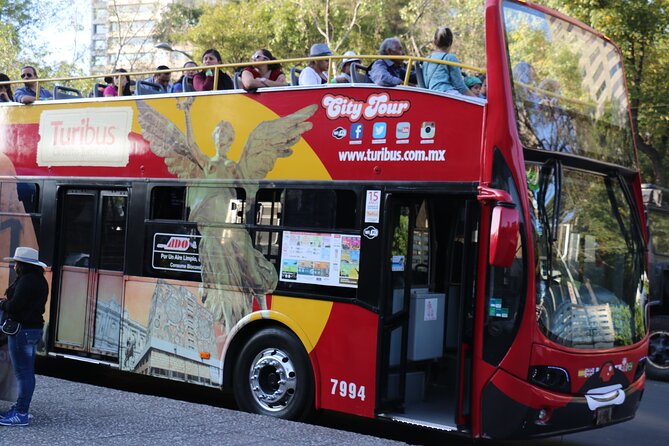
The Basilica route list is designed for classic central-to-north sightseeing: major squares, a neighborhood square feel, then onward to a large church-focused destination.
It starts at Zócalo, so you can easily connect this route to a day centered in the historic core. Next is Garibaldi Plaza, which gives you another landmark square to use as a walking pause.
Tlatelolco is the next anchor stop. If you like the feeling of shifting neighborhoods without needing a separate taxi plan, this stop is a useful transition point.
Basílica is the headline destination on this route list. One important detail in the tour terms: if the bus can’t go by the Basilica for reasons beyond control, it will take you to Plaza de las Tres Culturas instead. That backup option matters because it keeps your route from feeling like it fell apart.
Finally, the list includes a Turibus stop at Palace of the Counts of Miravalle. That’s another helpful marker for where to hop off if you’re mixing bus sightseeing with time on foot.
Timing Tips for a Smooth 3-Hour Hop-On Hop-Off Ride
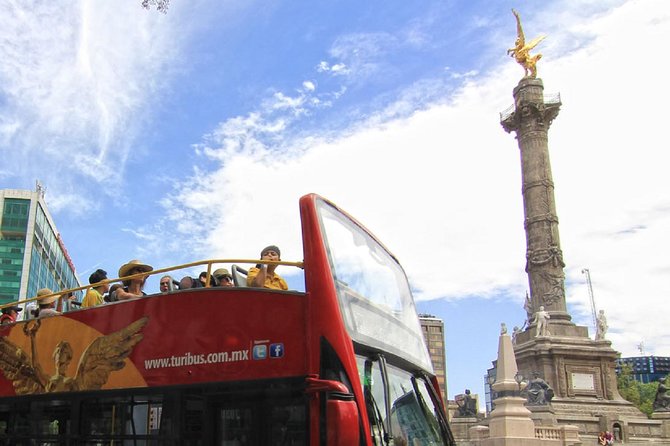
The tour duration is listed at about 3 hours, but your real time depends on how often you hop off. The sweet spot for most people is to plan two or three longer stops and several quick photo or stretch stops between them. That keeps you from burning your energy on re-boarding cycles.
You should also plan for real-world city timing. The service notes that bus delays, reduced frequency, and route variations can happen due to safety protocols, events, road closures, and traffic congestion. In other words: build in slack.
Sunday timing has a specific wrinkle. From 08:00 to 14:00 on Sundays, Turibus uses alternative ways in some tours because of Ciclotón street closures. If your trip includes a Sunday morning, it’s smarter to expect route changes and not treat every stop as guaranteed at the exact same place-and-time.
Also watch the current operating note: the service may only operate the Historic Downtown Route with a schedule of 9:00 a.m. to 7:00 p.m. until further notice. If you’re traveling at night or arriving late, plan your day around that window.
Coupon Booklet and Stop Guide: Getting More for Your Time
One of the included extras is a Mexico City coupon booklet plus a stop guide. This is more useful than it sounds, because it gives you a way to turn sightseeing time into discounted experiences without needing to hunt for deals on the spot.
The booklet is tied to local experiences, but you won’t get value unless you actually use it. The trick is to skim the guide early and decide which discount option fits your interests before you board your first bus. Then you’re not flipping through coupons while hungry or tired.
Even if you don’t use every discount, having a structured stop guide can help you decide where to hop off next. In a city as big as Mexico City, that little bit of structure is real value.
Is This Worth It? Who Should Book and Who Might Skip
This tour fits best when you want two things at once: freedom of pacing and a way to understand what you’re seeing without extra planning. If your Mexico City days include multiple neighborhoods and you’d rather not negotiate taxis, this hop-on hop-off setup is a practical choice.
I’d also consider it if you like combining outdoor sightseeing with indoor breaks. The route lists mix monument stops, plazas, and museum stops, so you can adjust your day to your energy level instead of committing to one type of attraction.
Where I’d be more cautious is when you’re relying on multiple routes during a trip with tight timing. The terms say tickets are valid for one operations day, yet also mention coverage of all four routes over one or two days depending on your option. That means your exact plan depends on what you selected at booking and what’s currently operating. If you want a guaranteed multi-route day, verify the routes running for your dates before you plan your must-dos.
Also, the rating is moderate, which lines up with something simple: this isn’t a private guide experience. It’s a bus-and-audio format. If you want deep explanations tailored to your interests, you might still need additional on-the-ground time.
Should you book this tour?
Book it if you want a low-stress way to cover big parts of Mexico City with English audio and the option to hop off when something grabs your attention. The coupon booklet and stop guide add extra value if you’ll actually use them.
Consider skipping or at least adjusting expectations if you’re counting on the full multi-route experience on your exact dates. Current operation may limit you to the Historic Downtown Route, and street closures or route changes can affect how smoothly the day flows.
If you do book, plan your day around a couple of anchor stops, stay flexible for timing changes, and use the audio to decide where you want to spend your feet.
FAQ
What language is the audio available in?
The tour includes on-board commentary in English, and it also has a multilingual digital audio system.
How long is the Turibus hop-on hop-off tour?
The duration is listed as about 3 hours.
Can I hop on and hop off as often as I want?
Yes. You can get off at any stop you wish and board the next passing bus to continue on your way.
What seating options are available on the bus?
You can choose to ride on the open-top bus or on the lower air-conditioned level.
Does one ticket cover multiple routes?
Yes. Your voucher is described as covering all four themed routes (Historical Center, Polanco, South, and Basilica) along with the Mexico City coupon booklet.
What happens if the bus can’t go to the Basilica?
If the Basilica route can’t go to the Basilica for reasons beyond control, it will take you to Plaza de las Tres Culturas instead.
Are there Sunday schedule changes?
Yes. On Sundays from 08:00 to 14:00, Turibus may use alternative ways in some tours due to Ciclotón street closures.
Can I cancel for a full refund?
You can cancel for a full refund if you cancel at least 24 hours in advance of the experience start time. If you cancel within 24 hours, the amount paid is not refunded.