Honolulu looks different from a trolley seat. This Waikiki-to-downtown hop-on hop-off loop lets you roll past landmarks and choose your timing, with on-board narration that covers Hawai’i’s monarchy and World War II.
I love how flexible it feels: you can hop off for photos, keep moving when you’re done, and still cover a lot without building a full day of logistics.
The big trade-off to plan for is crowding and spacing. On the Red Line, I’d expect waits between trolleys at busy stops, and some rides can be standing-room heavy depending on the day.
In This Review
- Key highlights worth your time
- Red Line value: why $35 can make sense in Honolulu
- What the ride is really like: open-air fun, plus crowding reality
- Getting on and finding your stop: mobile ticket helps, signage varies
- Route in plain English: from Waikiki to the harbor and back again
- Stop-by-stop guide: what each stop gives you (and what to watch for)
- Waikiki Shopping Plaza (start point)
- Duke Paoa Kahanamoku Statue
- The Twin Fin Hotel
- Honolulu Museum of Art (HoMA)
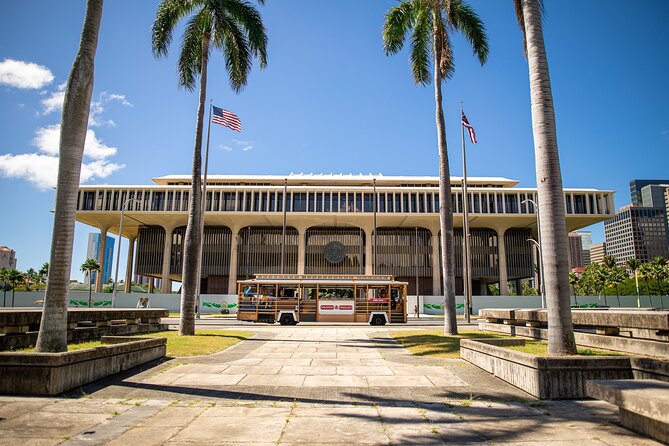
- Hawaii State Capitol
- National Memorial Cemetery of the Pacific (Punchbowl Crater)
- Foster Botanical Garden
- Izumo Taishakyo Mission of Hawaii + Royal Kitchen
- Chinatown + Downtown Honolulu + Hawaii Theatre
- King Kamehameha Statue
- Aloha Tower Marketplace + brief Honolulu Harbor sightseeing break
- SALT At Our Kaka’ako
- Ward Centre
- Ala Moana Regional Park (ending zone feel)
- Timing tips: how to avoid the common Red Line headaches
- Expect waits at some stops
- Aim for a seat if you can
- Use smart “where do I board?” habits
- Don’t start your day with a fragile plan
- Best guide style: what names like Sam, Chico, Turk, and Kie tell you
- Who this tour is for (and who should reconsider)
- Should you book Waikiki Trolley Red Line Heroes & Legends?
- FAQ
- How long is the Waikiki Trolley Red Line tour?
- What’s the price per person?
- Where does the tour operate and what language is it in?
- What are the opening hours?
- How do I get the ticket?
- What major places can I see on the route?
- Is the tour good for first-time visitors?
- Can I bring a service animal?
- What happens if I cancel?
- Accessibility details: is it open to most travelers?
Key highlights worth your time
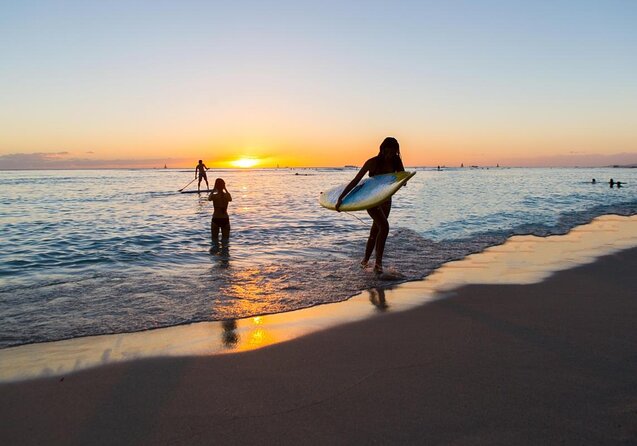
- History talk while you move: you get a running explanation of key moments tied to what you’re seeing
- Major Honolulu stops in one route: from Waikiki to Chinatown, Punchbowl, Aloha Tower, and more
- Guides make a difference: Sam, Chuck, Chico, Turk, and Kie each brought their own style—funny, calm, or extra helpful
- Quick fixes for a short trip: a strong option on day one when you want bearings fast
- Audio can be tricky: wind and engine noise can make parts harder to catch
Red Line value: why $35 can make sense in Honolulu
At $35 per person, this isn’t the cheapest way to move around O’ahu. But value in Honolulu often isn’t just about cost—it’s about time, convenience, and reducing decision fatigue.
Here’s what you’re really buying: a structured loop that takes you past a cluster of high-impact sights, so you don’t spend your energy figuring out routes, stops, and which areas are worth your limited daylight. If you’re short on time, a trolley line like this can function as a moving “orientation.” Then you can come back later on foot or with a rental car, armed with a better sense of where everything is.
It also beats a taxi for most people because you can treat it like sightseeing, not just transportation. Even with delays, you still get a lot of payoff from the route plan, especially if you hop off for just 20–30 minutes at a couple of stops.
If you’re trying to save every dollar, you can get around on local buses and transfers, and at much lower cost. But buses require more planning and more patience with stops and schedules. So my rule of thumb: pick the trolley if you want a smoother day and don’t want to wrestle with transit maps.
What the ride is really like: open-air fun, plus crowding reality
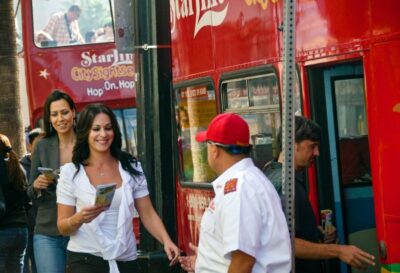
The trolley experience is typically easy and breezy: open-air views, quick rolling between neighborhoods, and a guide narrating along the way. Guides matter a lot here. I’ve seen names like Sam (educational and relaxing), Chuck (friendly and funny), Chico (pronunciation and picture-taking help), Turk (tons of energy and facts), and Kie (excellent practical tips for keeping your plan on track). That variety is a hint that you can get a genuinely human experience, not just a recorded script.
That said, the Red Line can get crowded. Some riders reported oversold situations where seats were hard to find, plus long waits between trolleys at stops. If you’re sensitive to standing for long stretches, or you’re traveling with someone who needs a smoother seating situation, I’d treat the Red Line as “plan-aware,” not “guaranteed comfortable.”
Audio is another practical issue. People mentioned engine noise if you’re toward the back and wind making the guide harder to hear. If you care about understanding the narration, aim for the front half of the trolley when possible and be ready to catch the key points rather than every word.
Getting on and finding your stop: mobile ticket helps, signage varies
You use a mobile ticket, and service animals are allowed. The whole system is designed to be straightforward, and many people find it easy once they’re on their first trolley.
But there’s a real-world catch: not every stop is equally easy to spot. Some riders had trouble locating pickup points at places like Ala Moana areas and ended up running to catch the trolley at a nearby location. That tells me you should do two things:
- Take a screenshot of where you need to meet (and double-check on Google Maps before you go).
- When you see staff or a rep at the stop, ask for the exact boarding spot. One rider mentioned finding a rep at the meeting stop who helped get them oriented fast.
Also remember timing can shift. One person reported the first trolley being 45 minutes late, which made the rest of the ride feel less comfortable for hopping off. So don’t book a “must be somewhere at 10:00 a.m.” plan for your first stop that depends on perfect punctuality.
Route in plain English: from Waikiki to the harbor and back again
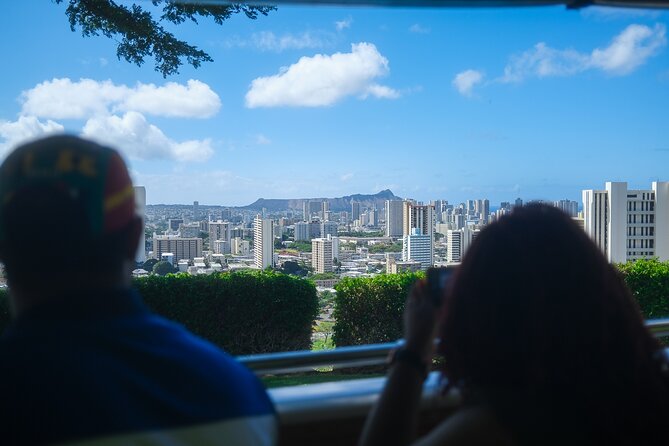
This loop strings together Waikiki sights and then works its way through central Honolulu neighborhoods, with a long enough arc to give you that “cross-city” feeling. You start in Waikiki, then you move toward downtown, jump through cultural and memorial stops, and finish with shopping and open-space areas that feel like a reset from the history-heavy middle.
The best part is you’re not doing this as a scavenger hunt. The trolley passes major anchors—places that make planning simpler because you don’t have to guess what’s “worth it” without any context.
Also, the narration ties the stops together. You’re not just looking at buildings. You’re hearing how the monarchy era and 20th-century events shaped what’s around you, including places like Punchbowl Crater and parts of downtown.
Stop-by-stop guide: what each stop gives you (and what to watch for)
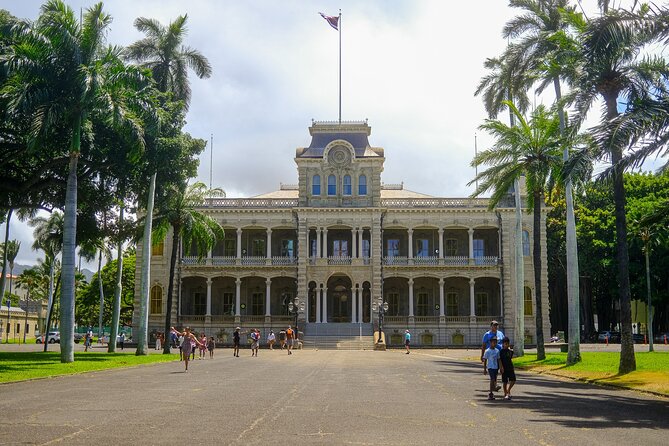
Below is how I’d think about each stop, assuming you want photos, a little education, and enough time to actually enjoy the day.
Waikiki Shopping Plaza (start point)
This is your baseline for Waikiki. Use it to lock in your plan: decide how many stops you want to do and whether you’ll stay flexible. It’s a good place to start because you’re already in the tourist core and can easily gauge where you want to spend extra time later.
Duke Paoa Kahanamoku Statue
This stop is all about connection to Hawai’i’s iconic surf and beach heritage. Even if you only do quick photos, it helps you anchor the day in something cultural—not just buildings and streets.
The Twin Fin Hotel
This is more of a landmark-style stop. It’s useful for snapping a view and keeping your mental map of Waikiki. If you’re already walking a lot, you can skip spending time here and save energy for the bigger stops.
Honolulu Museum of Art (HoMA)
This is a real “pause and choose” stop. If you like art and want air-conditioning breaks from the sun, this is worth it. One practical heads-up: HoMA is closed on Monday and Tuesday, so check your day of travel before you count on it.
Hawaii State Capitol
Great for architecture and government-in-action context. You don’t need a long stay here to get value—think exterior photos and a quick grounding in how the state presents itself.
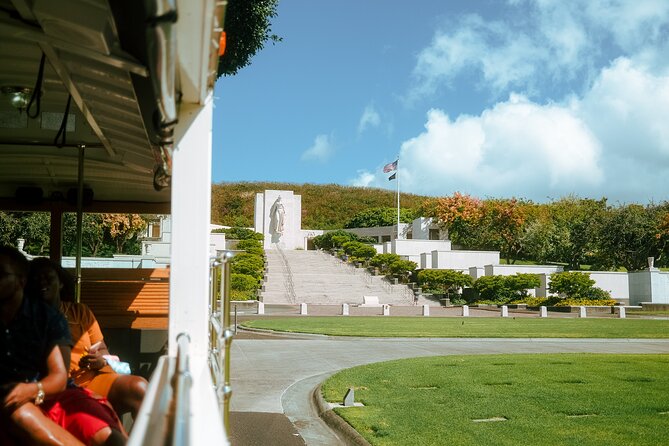
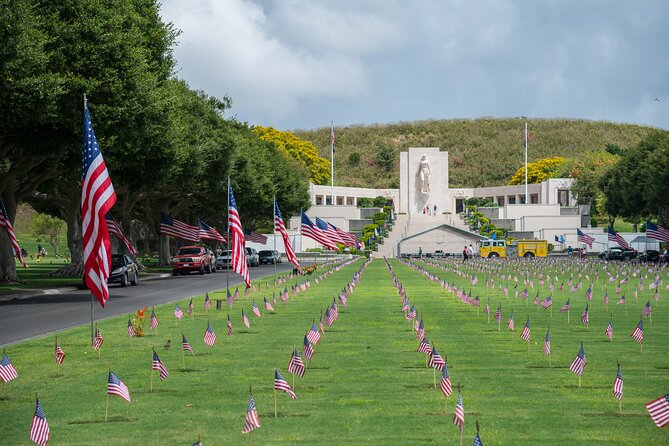
National Memorial Cemetery of the Pacific (Punchbowl Crater)
This is one of the emotional centerpieces of the route. The setting is distinctive, and the stop is memorable even if you only spend a short amount of time. If you want the full effect, treat this as your “slow down” stop instead of trying to rush through everything.
A standout tip from guides: one rider credited Kie with helping them time their visit so they could complete other plans too. That’s the kind of practical guidance that can make this stop feel less rushed.
Foster Botanical Garden
This is your break from monuments. Expect calmer pacing, more shade, and lots of visual detail. It’s a strong choice if you want to shift gears from memorial tone to something lighter and more sensory.
Izumo Taishakyo Mission of Hawaii + Royal Kitchen
This stop gives you culture plus everyday-life texture. The mission area is a meaningful look at faith traditions, and nearby options around Royal Kitchen can help you grab a snack or reset without derailing your schedule.
Chinatown + Downtown Honolulu + Hawaii Theatre
This is a high-energy stop. You can use it for food browsing, quick shopping, and street-level photos. The downside is that the area can feel less polished to some people, and it may not match the expectation of a neat, postcard-perfect “shopping district.” If you’re coming for atmosphere and variety, it works well. If you want calm and curated, you might want shorter time here and more time at other stops.
The Hawaii Theatre adds a classic downtown landmark feel—good for photos and context.
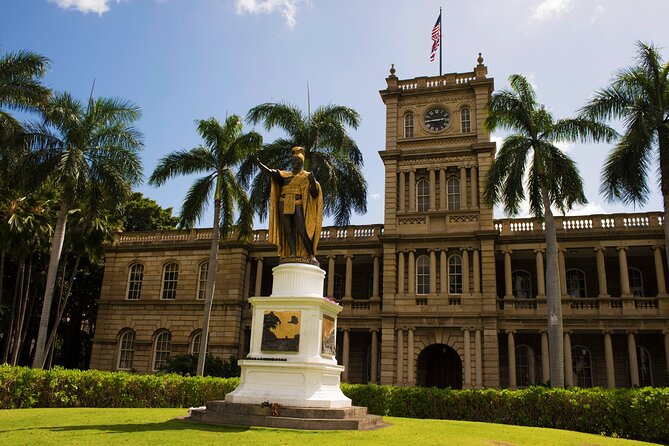
King Kamehameha Statue
This is a strong photo and orientation point. It also ties the day together thematically because Kamehameha is such a central figure in Hawai’i’s story. Even a quick stop helps you understand why the narration focuses on monarchy-era context.
Aloha Tower Marketplace + brief Honolulu Harbor sightseeing break
Aloha Tower is a crowd favorite for a reason: it’s a recognizable symbol, and the harbor backdrop makes it feel like Honolulu’s working waterfront. Marketplace time gives you a chance for souvenirs or a bite if you didn’t eat much earlier.
The harbor sightseeing break is brief, so don’t plan this as your only waterfront experience—plan it as a quick look.
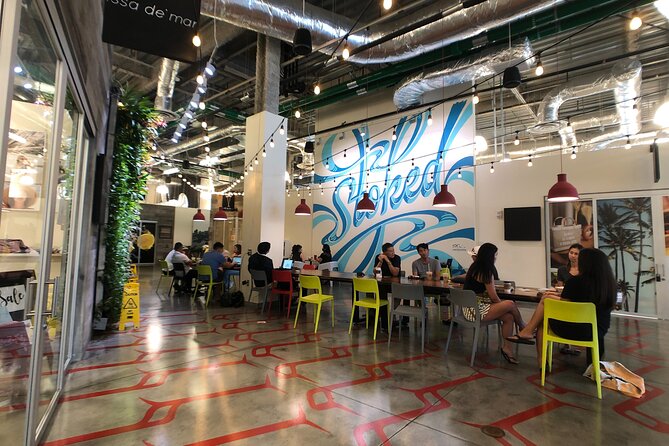
SALT At Our Kaka’ako
This stop is designed for “do something now” time—shopping and casual wandering energy. If you want a break from heavy history stops, this is a good place to loosen your pace.
Ward Centre
This is the shopping reset button. It can be especially useful if the sun is wearing you down. Even if you don’t buy much, it’s a practical place to walk around, cool off, and rejoin the day’s rhythm.
Ala Moana Regional Park (ending zone feel)
This is where you can breathe. Parks give you space to step out, stretch legs, and take in the broader area without committing to another attraction. It’s a nice way to end the route if you still have energy—or if you want a calm last walk before heading back to your base.
Timing tips: how to avoid the common Red Line headaches
Here’s what can trip you up, and how I’d plan around it:
Expect waits at some stops
Some people reported waiting around an hour between trolleys at certain good stops. That can be frustrating if you’re treating this as a tightly scheduled day.
My practical advice: build a “flex window” into your day. Don’t schedule dinner at a fixed time you’ll panic to miss. If you want to see one or two major stops deeply, let the trolley handle everything else.
Aim for a seat if you can
Crowding is the most common comfort complaint. If you see that the trolley is filling up, consider stepping back and trying for another trolley rather than accepting a long standing ride. One rider described having to stand for over an hour.
Use smart “where do I board?” habits
Because signage and pickup points can be confusing, you’ll do better with two layers of safety: confirm the stop location on your phone, and keep an eye out for staff. If there’s a rep, ask exactly where to line up.
Don’t start your day with a fragile plan
A late first trolley was mentioned, and parade/traffic disruptions can slow things down. So if day one is your day for jet lag recovery, this is fine. If day one includes a hard commitment elsewhere, add buffer time.
Best guide style: what names like Sam, Chico, Turk, and Kie tell you
The narration is a big part of the appeal, and the guide personalities show up in the feedback. Sam stood out for making it both educational and relaxing. Chuck blended friendliness with humor. Chico helped with Hawaiian name pronunciation and even picture-taking. Turk brought energy and laughs while sharing history. Kie mixed great timing advice with practical pointers.
So if you’re the kind of person who likes history but also wants the day to feel light, you’re in the right place. The trolley can be a “mini history lesson” without turning into a lecture marathon.
Just remember: hearing the narration depends on wind and where you sit.
Who this tour is for (and who should reconsider)
This Red Line is a great match if you:
- Want a first-day orientation so you can plan the rest of your trip
- Like history and culture, not just sightseeing photos
- Are time-poor and want to hit several major sites without complex logistics
- Prefer a low-effort plan with hop-off freedom
I’d reconsider if you:
- Need guaranteed seating for long periods
- Have tight timing with zero flexibility
- Hate waiting around when you’re expecting quick movement between stops
- Are extremely sensitive to audio issues (wind and engine noise can make the guide harder to hear)
Should you book Waikiki Trolley Red Line Heroes & Legends?
Yes, if you want a practical Honolulu overview with real culture talk and an easy day plan. For $35, the value comes from stacking multiple “must-see” areas into one route and letting the narration give you context while you travel.
I’d book it early in your trip if you can, because it helps you decide what’s worth a second visit. And if the Red Line feels like your best option but you’re worried about comfort, plan to arrive ready to be flexible: choose a spot where you can hear, keep your pickup location clear on your phone, and build in extra time for waits.
If your goal is purely to get from A to B for the cheapest price, there are cheaper bus options. But if you want a day that’s half transport and half guided city context, this trolley loop is one of the easier ways to do that in Honolulu.
FAQ
How long is the Waikiki Trolley Red Line tour?
The tour is about 1 hour 20 minutes on the schedule, though your total time can run longer depending on traffic and how long you spend at stops.
What’s the price per person?
The price is $35.00 per person.
Where does the tour operate and what language is it in?
It operates in Oahu, USA, and the tour is offered in English.
What are the opening hours?
The service runs Monday through Sunday from 8:00 AM to 4:00 PM.
How do I get the ticket?
You receive a mobile ticket, and confirmation is provided at the time of booking.
What major places can I see on the route?
You’ll pass and stop at places including Waikiki Shopping Plaza, the Duke Paoa Kahanamoku Statue, Honolulu Museum of Art, Hawaii State Capitol, National Memorial Cemetery of the Pacific at Punchbowl Crater, Chinatown, King Kamehameha Statue, Aloha Tower Marketplace, SALT At Our Kaka’ako, Ward Centre, and Ala Moana Regional Park.
Is the tour good for first-time visitors?
It’s a strong way to get an overview of Waikiki and downtown Honolulu without planning every detail, which makes it especially useful early in a trip.
Can I bring a service animal?
Yes, service animals are allowed.
What happens if I cancel?
This experience is non-refundable and cannot be changed for any reason.
Accessibility details: is it open to most travelers?
Most travelers can participate, and it’s near public transportation.