Warsaw hits hard and fast. In just 3 hours, you get a bus-and-walking overview that pairs postcard-worthy sights with the WWII places that still sting. I like the combo of hotel pickup and a max group size of 15, so it feels organized instead of chaotic. One watch-out: the pace is brisk, and you’ll be looking at several major sites rather than lingering long.
The route starts at Lazienki and moves through the city’s most emotional chapters, ending at the Warsaw Uprising Monument. If you land with guides like Chris, Christof, or Leo (names that show up with high praise), you’ll likely get strong pacing and lots of chances to ask questions. Also, while the bus is air-conditioned, hot weather can still be a factor when you’re stopped for time.
In This Review
- Key points worth knowing before you go
- A 3-hour Warsaw reset: the value of seeing the key sights in one loop
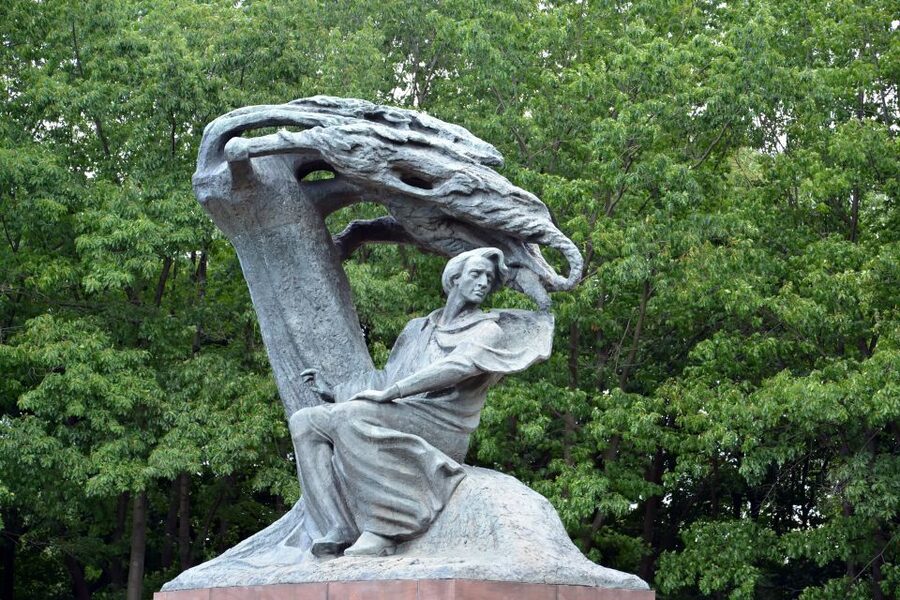
- Lazienki Royal Garden: surviving monuments and 17th-century structures
- Warsaw Ghetto Heroes and Umschlagplatz: where the tour turns somber
- Old Town drive plus guided stroll: Royal Castle, St. John’s, and the rebuilt Warsaw story
- Barbican’s red bricks and the defensive-wall story
- Ending at the Warsaw Uprising Monument: a place to process
- How the bus tour works: group size, timing, and comfort reality checks
- What’s included (and what’s not): plan your day like a local
- Price and value: is $58 worth it for Warsaw’s hardest-to-plan stops?
- Who this tour suits best (and who should choose differently)
- Should you book this 3-hour panoramic tour of Warsaw?
- FAQ
- FAQ
- How long is the Warsaw panoramic tour with pickup?
- Where is pickup available?
- What group size should I expect?
- Is the tour guided in English?
- Which main stops are included?
- What’s included in the price?
- Is food included?
- Is cancellation free, and can I pay later?
Key points worth knowing before you go
- Small group, big route: capped at 15 participants, with air-conditioned transport
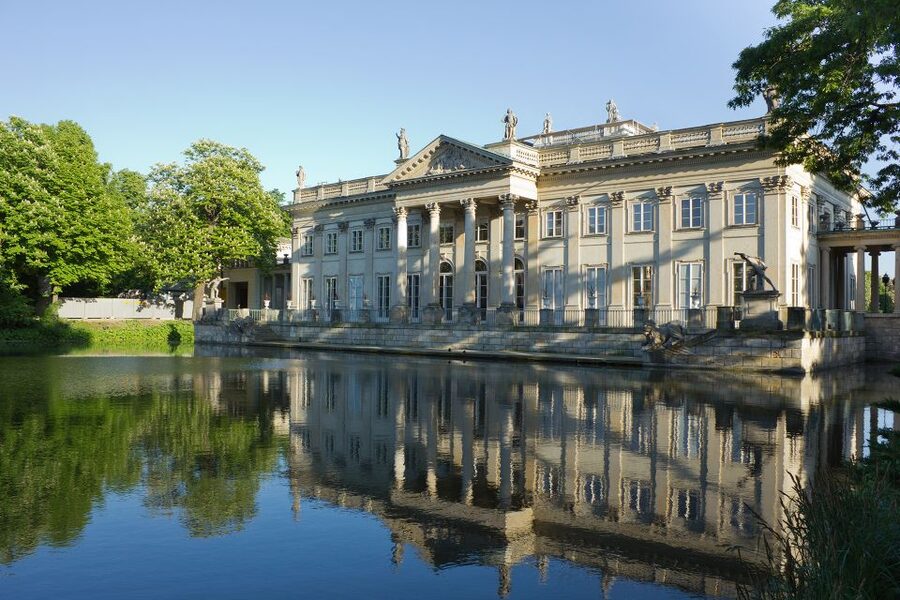
- Start at Lazienki Royal Garden: monuments that survived the war and structures tied to the 17th century
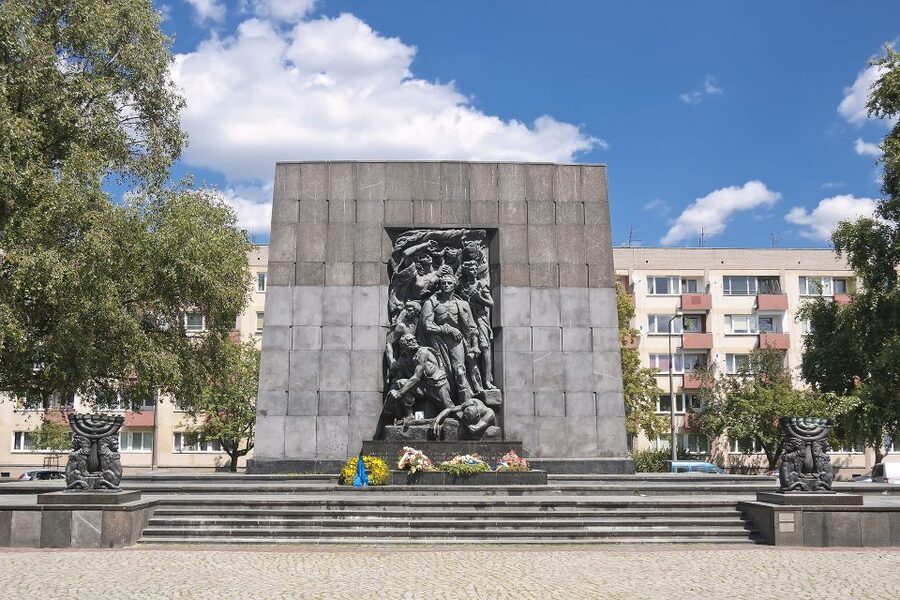
- WWII focus that doesn’t flinch: Warsaw Ghetto Heroes and the site known as Umschlagplatz
- Old Town highlights included in the drive and walk: Royal Castle area and the Archcathedral Basilica of St. John the Baptist
- Barbican red-brick stop: a defensive wall built in a Gothic style
- Finish at the Warsaw Uprising Monument: a symbolic place to pause and take it in
A 3-hour Warsaw reset: the value of seeing the key sights in one loop
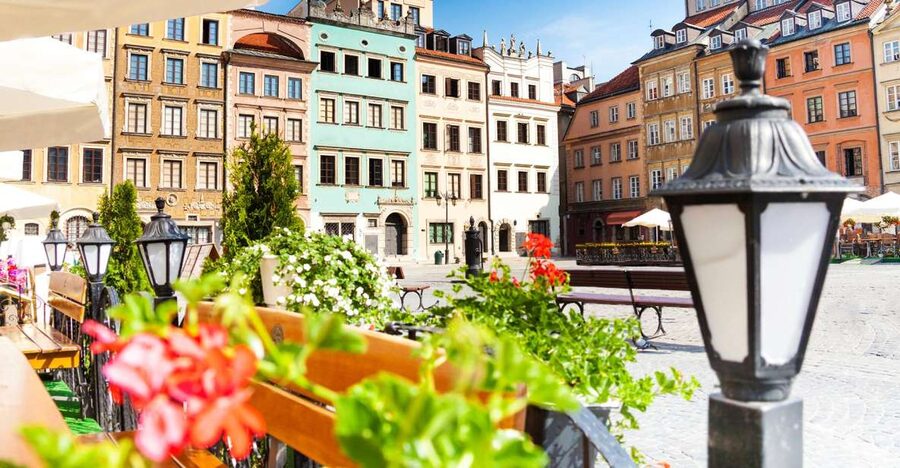
This tour works best as a first-day plan. You get a fast, structured “map in your head” for where everything sits, from grand royal space at Lazienki to the tightly packed streets of the Old Town. Then you wrap it up at the Warsaw Uprising Monument, which gives your brain a moment to land.
The price, $58 per person for a 3-hour tour, feels reasonable because it includes more than a sightseeing bus. You’re also paying for hotel pickup/drop-off in the city center, an English-speaking guide, and basic refreshments like traditional Polish candies plus soft drinks and bottled water. For a short stay, that bundle saves you the hassle of coordinating separate tickets, transit, and figuring out which streets matter.
The trade-off is time. You’ll cover a lot of ground, but not every stop turns into a deep, hour-long museum moment. If you love slow travel or want to spend long minutes in one place, you may want to treat this as the “orientation chapter,” then come back on your own.
Lazienki Royal Garden: surviving monuments and 17th-century structures

You begin at Lazienki, the Royal Garden, which is known for monument-heavy grounds and architectural leftovers reaching back to the 1600s. The tour’s pitch here is smart: start in a calmer, greener space where you can orient yourself before the WWII sites. Even better, you’re told to focus on monuments that survived the war, which makes the garden feel less like scenery and more like proof of endurance.
On the ground, this stop helps you understand the “before” side of Warsaw. You see royal-era style, then you connect that to what came after—because the rest of the tour will be about rebuilding, loss, and remembrance. It’s also a good moment to take photos before the day turns solemn.
One practical note: since this is part garden grounds and part monument viewing, bring weather-appropriate clothing. It’s an outdoor start, and your comfort sets the tone for the rest of the route.
Warsaw Ghetto Heroes and Umschlagplatz: where the tour turns somber
After Lazienki, the tour shifts into WWII tragedy with two key stops. The first is the Monument to Warsaw Ghetto Heroes, which commemorates the Warsaw Ghetto Uprising. This is where you get the story framing—how resistance and suffering are tied to specific places in the city.
Then you head to Umschlagplatz, one of the hardest stops in Warsaw. The tour explains what happened there: Nazis loaded Jewish people into carriages and transported them to Treblinka. Standing in a place that was used for deportations does something different than reading history in a book. Your guide’s job here is crucial, because you’re not just passing a marker—you’re being asked to understand meaning.
If you’re the type who gets overwhelmed by heavy content, plan your pace. Take short breaths, step back when you need a minute, and let the group move at a human rhythm. This isn’t a “take pictures and move on” stop, even if your camera is ready.
Old Town drive plus guided stroll: Royal Castle, St. John’s, and the rebuilt Warsaw story
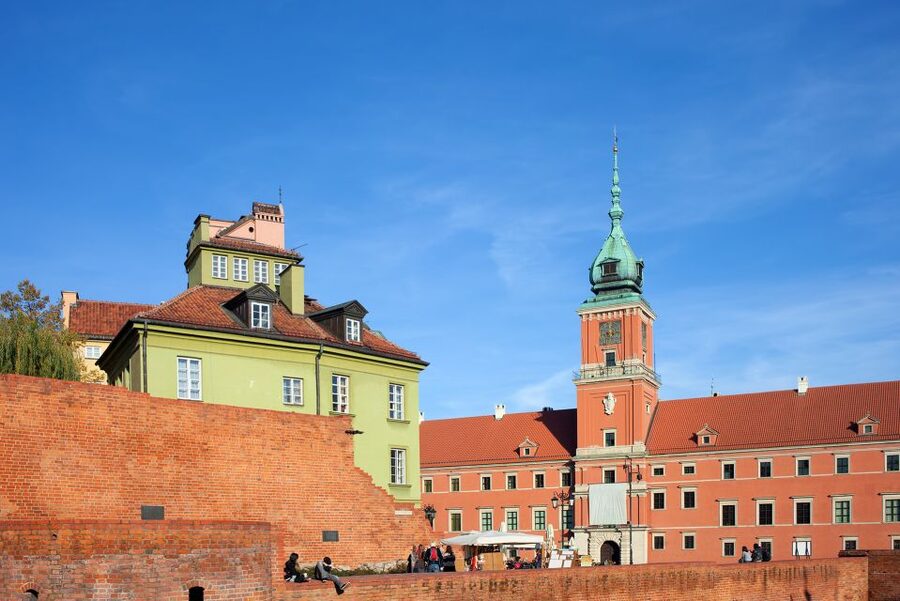
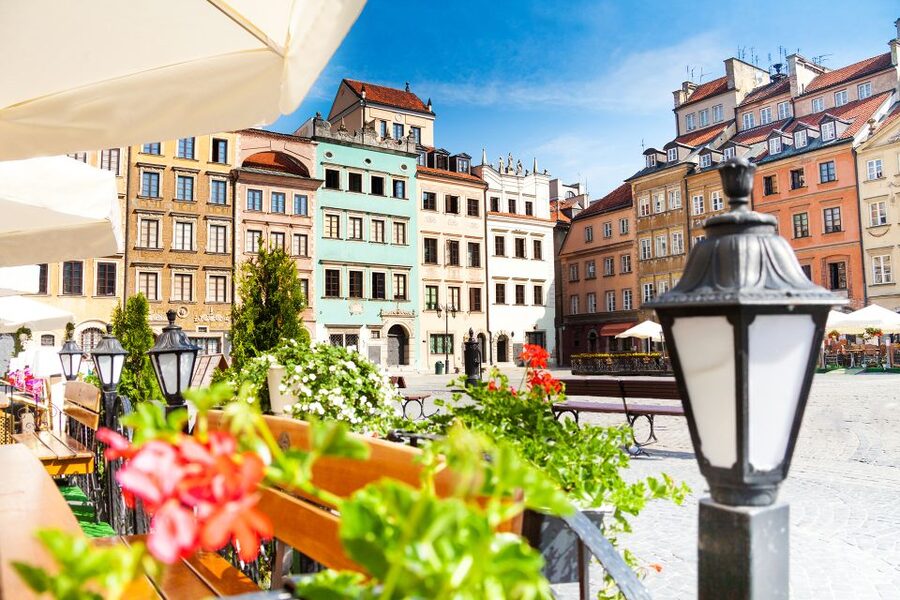
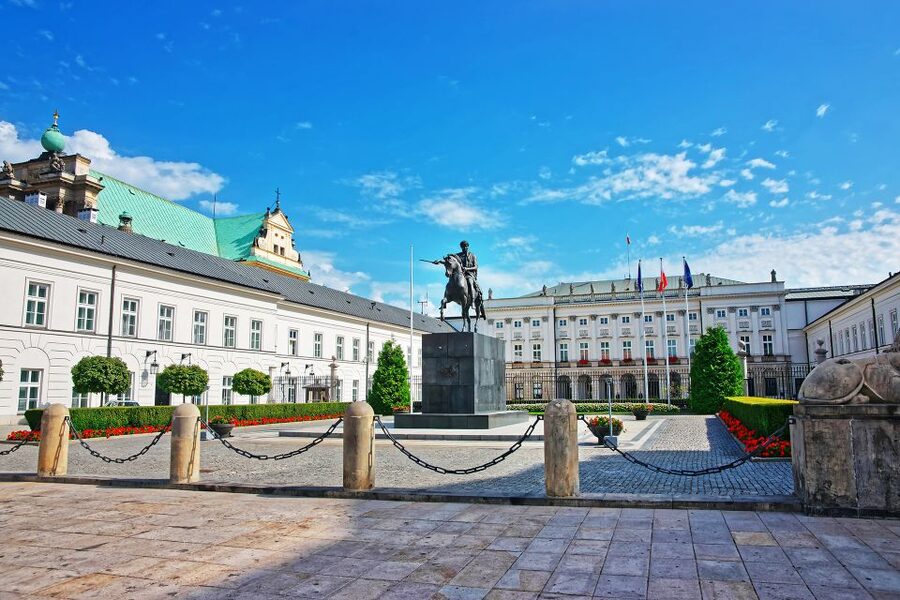
Warsaw’s Old Town is the “you can’t unsee this” part of the day. You’ll drive by the Royal Castle area, which was destroyed during the Warsaw Uprising in 1944 and later rebuilt in 1984. Knowing that timeline changes how you look at the castle. It’s not just a pretty landmark; it’s a reconstruction made to bring history back into public space.
You also pass the Archcathedral Basilica of St. John the Baptist, one of the city’s important churches. The building is tied to a specific Masovian Gothic style and, like the Royal Castle, went through destruction and rebuilding after the uprising. That parallel matters. This tour quietly shows you a pattern: Warsaw was torn up, then rebuilt with stubborn intent.
After the drives, you get a stroll through the Old Town with your guide. This is where the atmosphere starts to feel more “alive” again, not because the suffering disappears, but because you see how the city creates beauty where it was forced to start over. Use this segment to slow down just slightly, look up at details on buildings, and ask your guide how to make sense of what you’re seeing.
Barbican’s red bricks and the defensive-wall story
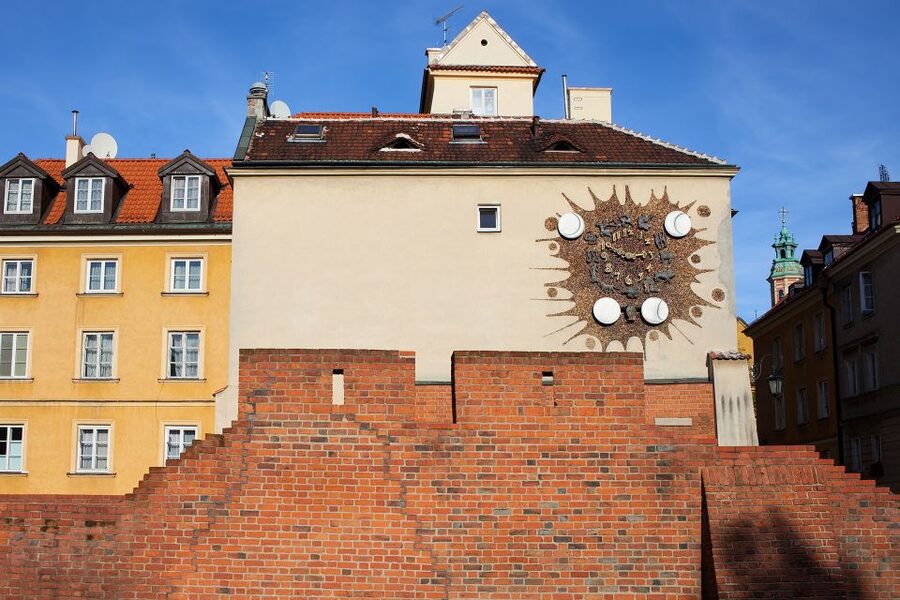
The Old Town stroll includes Barbican, a defensive wall built in a Gothic style. What makes Barbican stand out here is the material detail: it’s made with handmade red bricks. That’s the kind of specific touch that helps you stop treating Warsaw as one style. It’s layered craft, layered purpose.
Defensive structures also tie back to the WWII narrative of the day. When you connect Barbican to the themes of siege, protection, and survival, the architecture starts to feel like more than a stop on a checklist. You start noticing form and function, not just ornament.
This is also a good time to ask practical questions. If you want to explore further on your own later, this is where the guide can point you toward what’s worth seeing beyond the main monuments you just hit.
Ending at the Warsaw Uprising Monument: a place to process
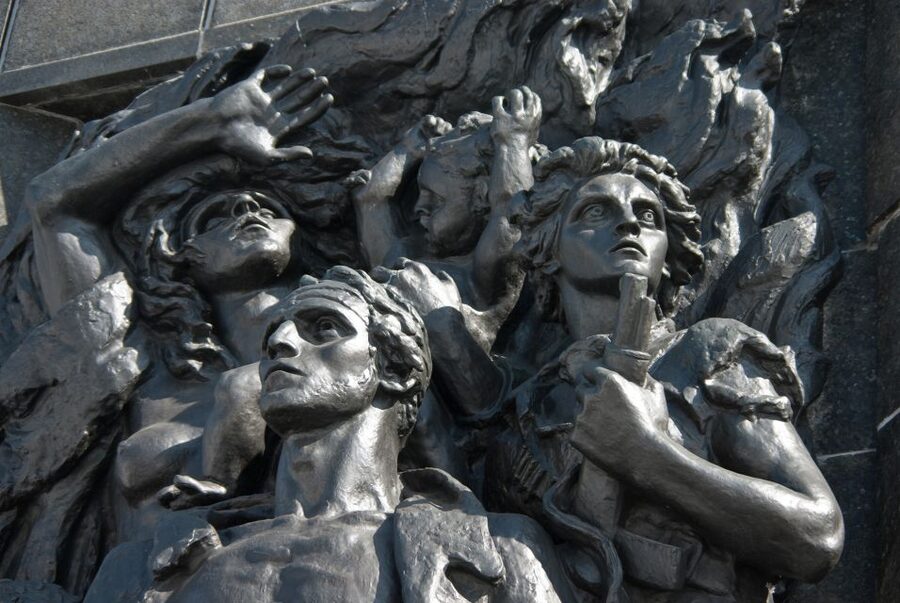
You finish at the Warsaw Uprising Monument, described as the most expressive and symbolic monument in Warsaw. Ending here is a deliberate design choice, and it works. After the tour’s earlier emotional stops, you’re not left floating in facts. You’re given a final focal point to process the day’s weight.
This stop helps you understand Warsaw as a city of remembrance, not just a city of sights. The monument is where the tour’s message lands: survival, resistance, rebuilding, and memory aren’t abstract topics here. They’re anchored to stone and space.
Give yourself a couple of minutes. Even if the bus ride feels quick, this is the place where slowing down actually makes the tour better.
How the bus tour works: group size, timing, and comfort reality checks
The tour runs for 3 hours and keeps the group small, up to 15 participants. That small size matters in practical ways: pickup tends to be smoother, and the guide can manage questions without turning the experience into a loud scramble.
You’re on a comfortable, air-conditioned bus for the driving segments. That said, one real-world consideration shows up in hot weather: air-conditioning can feel less effective when the bus stops and doors stay open. If you’re visiting during a heat wave, dress for layers so you’re comfortable even if the cooling slows down briefly.
Also remember the format: you’ll have a few key stops and some walking, but you’re not touring like a museum pass. A couple of people found the pace quick and picture-taking from the bus a bit awkward. My advice is simple: decide what you want. If you want the emotional story, focus on listening and looking at each stop. If you want photos, plan to shoot mostly during walk-and-stand moments, not during motion.
Finally, English guidance is included, and it’s a live guide. In an ideal world, it’s easy to follow the narration. If you know your ear is picky with accents, you might want to be ready to ask for clarification when you need it.
What’s included (and what’s not): plan your day like a local
In your ticket, you get a professional English-speaking guide, air-conditioned transportation, and hotel pickup and drop-off from the city center. You also get traditional Polish candies plus soft drinks and bottled water. That makes a difference because you’re not spending time hunting for refreshments between stops.
Food is not included. This matters because the tour covers multiple emotionally heavy sites plus outdoor time at Lazienki and the Old Town. If you’re hungry, your attention will scatter. I’d schedule a meal either before the tour or after, and keep the tour time focused on the experience.
Weather-appropriate clothing is the only specific “what to bring” item listed, but it’s not a small one. Since you’ll be out around monuments and walking during the Old Town portion, you’ll want to be comfortable enough to concentrate.
Pets aren’t allowed, so plan around that if you’re traveling with an animal.
Price and value: is $58 worth it for Warsaw’s hardest-to-plan stops?
For $58, you’re paying for three things that are hard to DIY on a tight timetable. First is convenience: pickup and drop-off from city-center lodging. Second is narrative help: a guide connecting Lazienki, the Ghetto sites, and the Old Town to the broader WWII storyline. Third is efficiency: you cover major points in one compact block, instead of spending half your day figuring out routes.
This tour tends to be best value if you’re doing Warsaw for the first time or you only have one day. It’s also good if you want a guided introduction to sites like Monument to Warsaw Ghetto Heroes and Umschlagplatz, where the meaning is stronger with context. If you try to do these stops alone without a plan, you’ll spend more time deciding where to go and less time understanding why it matters.
If you’re the kind of traveler who wants to linger for long stretches at one place, you might feel the time crunch. In that case, treat this as your “overview and meaning” session, then return later for deeper exploration on your own schedule.
Who this tour suits best (and who should choose differently)
This is a strong fit for you if:
- You want an organized way to see Warsaw’s top sights in 3 hours.
- WWII history in Warsaw is a priority, not a quick photo stop.
- You like guided walking through the Old Town area.
It’s also a decent pick if you appreciate small group dynamics and don’t want the experience to feel like a factory line. The max 15-person size helps keep it human.
It might be less ideal if:
- You hate brisk pacing and prefer long stays at fewer sites.
- You’re traveling during extreme heat and you’re sensitive to cooling when vehicles stop.
- You want a lot of free time for individual wandering right away.
Should you book this 3-hour panoramic tour of Warsaw?
I’d book it if you want a smart first pass through Warsaw that combines royal grandeur, Old Town beauty, and WWII remembrance in one tight package. The mix of Lazienki, the Ghetto memorials (including Umschlagplatz), the rebuilt Royal Castle area, Barbican, and the Warsaw Uprising Monument gives you a coherent storyline instead of random stops.
Skip it only if your ideal day is slow and spacious, or if you’re trying to squeeze in heavy history when you’re already exhausted. Otherwise, this tour is a strong way to get your bearings fast, with enough context to make the city’s most important places hit harder (in the best way).
FAQ
FAQ
How long is the Warsaw panoramic tour with pickup?
It lasts 3 hours.
Where is pickup available?
Pickup is included from any hotel, hostel, apartment, or B&B located in the city center.
What group size should I expect?
The group is limited to a maximum of 15 participants.
Is the tour guided in English?
Yes, the live tour guide is English-speaking.
Which main stops are included?
You visit Lazienki Royal Garden, the Monument to Warsaw Ghetto Heroes, Umschlagplatz, Warsaw’s Old Town (including the Royal Castle area and Archcathedral Basilica of St. John the Baptist), Barbican, and the Warsaw Uprising Monument.
What’s included in the price?
The tour includes an English-speaking guide, air-conditioned transportation, hotel pickup and drop-off, traditional Polish candies, and soft drinks plus bottled water.
Is food included?
No food is included, so plan a meal outside the tour.
Is cancellation free, and can I pay later?
Yes. You can cancel up to 24 hours in advance for a full refund, and you can reserve now and pay later (paying nothing today).