One day in Tokyo, packed but not chaotic, is the goal here. I like the built-in highlights—Skytree skip-the-line and a guided matcha experience—so you spend less time figuring stuff out. I also like that the day runs with a real plan and professional English guidance (guides like Momo, Lovely, and Aya are repeatedly mentioned). The main drawback: it is a long day with some walking, and the Tokyo Bay part can change if the ferry is suspended.
You’ll start in Shinjuku, hit classic sights like Meiji Jingu and Senso-ji, and still get a big view payoff at Tokyo Skytree. Along the way, the coach route helps you see the city’s neighborhoods you might miss on your own, from Akihabara-style spots to Ueno Park and the National Diet building area. If you want maximum “first-day orientation” value, this tour delivers. If you’re the type who needs a leisurely pace, plan for a busy schedule and wear comfortable shoes.
In This Review
- Key highlights worth caring about
- The value: what $129.25 buys you in Tokyo
- Morning in Shinjuku: meeting point, timing, and why it matters
- Meiji Jingu Shrine and Imperial Palace gardens: calm contrasts in a busy day
- The coach ride stops: Akihabara, Ueno, and the Tokyo that sits between icons
- Asakusa: temple time plus Nakamise shopping plus matcha
- Senso-ji and Nakamise Avenue
- Matcha experience: Uji matcha tasting (premium style)
- Lunch included: karaage and tofu set (diet options available)
- Tokyo Skytree: the 350-meter view payoff
- Odaiba and Tokyo Bay ferry: Rainbow Bridge views, with a real-world caveat
- Drive-by Tokyo icons: Tokyo Tower, the Olympics stadium, and big-city eye candy
- Pacing and comfort: long day, smart schedule, and what to bring
- Guides make the difference: what I’d watch for
- Should you book this Tokyo full-day coach tour?
- FAQ
- How long is the Tokyo bus tour?
- How much does it cost?
- Is the Tokyo Skytree ticket included?
- What matcha experience is included?
- What’s included for lunch?
- Are there any food restrictions I should know about?
- Does the tour always include the Tokyo Bay ferry?
- Where does the tour start and end?
- What languages are available for audio guidance?
- Can I cancel for a full refund?
Key highlights worth caring about
- Skip-the-line entry to Tokyo Skytree (Tembo Deck) at 350 meters for big city views
- Uji matcha tasting plus a matcha drink or matcha gelato
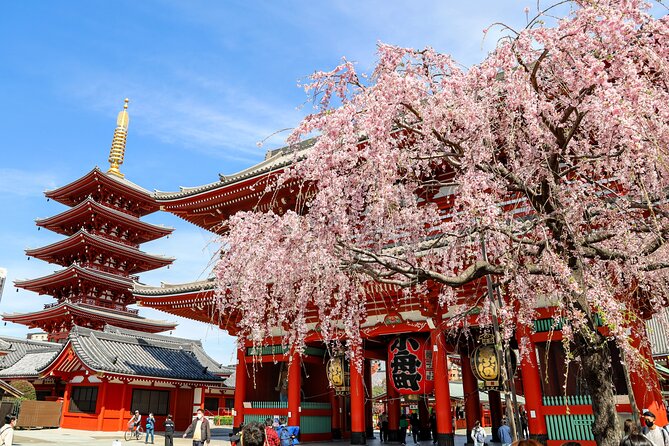
- Asakusa time for Nakamise Avenue shopping and Senso-ji photos (including Kaminari-mon)
- Japanese lunch included (karaage and tofu set; vegetarian and gluten-free options available)
- Tokyo Bay ferry experience under Rainbow Bridge, when it runs (otherwise alternate stops)
The value: what $129.25 buys you in Tokyo
At $129.25 per person, this is priced like a “major sights in one day” product—not like a casual neighborhood stroll. And that’s exactly how it works. You’re not just riding a bus; you’re getting a professional English-speaking guide, coach comfort, Wi-Fi, and included admissions and meals.
The two biggest value anchors are the Tokyo Skytree admission (Tembo Deck) and the meal plan. Add in the matcha tasting (matcha drink or matcha gelato) and the Asakusa food stop (karaage and tofu set lunch), and the day starts to feel like buying a bundle of timed tickets plus guided context. For a first visit, that can save you headaches: fewer “Where do we go next?” moments and fewer line queues.
The tradeoff is that you’re paying for efficiency, not freedom. If you want to linger for hours in one place or swap stops on the fly, a fixed route will feel rigid.
Morning in Shinjuku: meeting point, timing, and why it matters
Your day begins at Shinjuku, with a final meeting point listed as Shinjuku I Land. The tour also references pick-ups at Matsuya Ginza (7:20am) or LOVE Shinjuku (7:50am), so the exact start experience may vary by date.
This matters because Shinjuku is a transportation hub and a practical base. Instead of hopping between neighborhoods yourself, you’re already set up for an efficient “coach-first” day. If you’re arriving late, know this: if you miss the start time, you can’t just join partway through.
Also, this tour drops you back in the Shinjuku area near the end of the day, which is convenient when you’re tired and don’t want another long train ride.
Meiji Jingu Shrine and Imperial Palace gardens: calm contrasts in a busy day
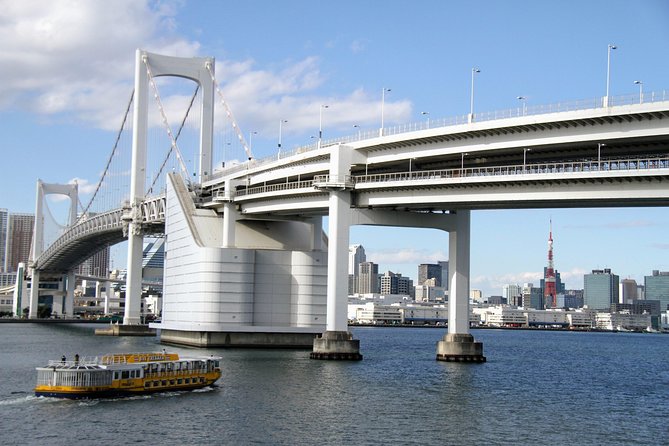
After you board, the early stop is Meiji Jingu Shrine. You get about 50 minutes there, which is enough to walk the shrine approach, soak in the quieter green setting, and take the classic photos without feeling rushed.
Then comes the Imperial Palace area, where you’ll visit either the East Garden or the Niju-bashi Bridge in the Outer Garden. The time here is about 30 minutes, and it’s a good example of how this tour balances “big name” with time limits. You won’t do a deep study of every detail, but you’ll see an important Tokyo landmark and get the guided framing so it feels more than a postcard.
If you like religious sites, sacred spaces, or architecture-and-meaning explanations, this morning section tends to land well. If you only want to shop or chase views, this part might feel a bit slower—but it’s a refreshing counterweight to the denser neighborhoods you’ll see later.
The coach ride stops: Akihabara, Ueno, and the Tokyo that sits between icons
One of the sneaky advantages here is the drive-by portion. You’ll see major zones along the way, with commentary that helps connect the dots.
Expect to pass by areas associated with Akihabara (otaku culture) and Ueno Park, plus the kind of landmark you might not notice at speed on your own—like the National Diet building area with its symmetrical look built in 1936. There’s also mention of Ameyoko, a famous street market next to Ueno, and the tour includes photo/seeing time built into the route rather than forcing you to get off the bus every few minutes.
I like this structure because it turns a transit day into a guided geography lesson. You’re not stuck only at the headline attractions; you’re learning how the neighborhoods connect.
Asakusa: temple time plus Nakamise shopping plus matcha
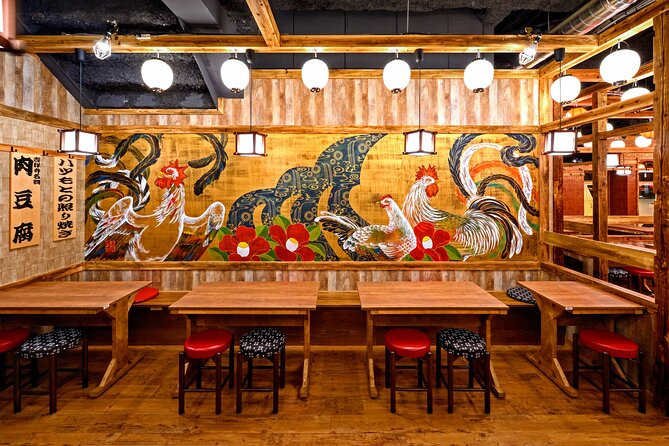
This is where the day shifts from “top sights” to “Tokyo flavor.” You’ll spend time in Asakusa, with a mix of temple sightseeing and food experiences.
Senso-ji and Nakamise Avenue
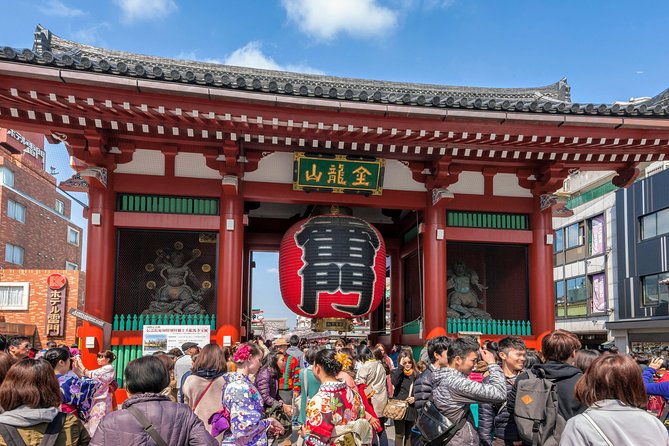
You’ll visit Senso-ji Temple with about 45 minutes. You’ll have time to shop along Nakamise Avenue and take photos at Kaminari-mon. This is the kind of place where it’s easy to wander, and time matters: you don’t want your only Asakusa stop to be a quick drive-by.
The tradeoff is that Asakusa can be crowded, especially with tour groups. Your best move is to walk with purpose during the busiest sections and save your slower browsing for where the crowd thins out.
Matcha experience: Uji matcha tasting (premium style)
Next comes the tour’s signature matcha moment. You’ll enjoy an authentic Uji matcha experience, including a note that it’s the “not bitter” style called Premium Matcha, using Ichibancha (first flush) from Uji.
This is one of those experiences that’s small in minutes but big in payoff. A matcha tasting with context helps you understand why people argue about tea quality and bitterness levels—before you buy souvenirs.
You’ll also receive a matcha drink or matcha gelato, which is a good way to keep the experience fun instead of overly formal.
Lunch included: karaage and tofu set (diet options available)
Lunch is included as a Japanese-style set meal with Japanese fried chicken (karaage) and tofu, plus a soft drink (if selected). The tour also specifies a lunch option system:
- Vegetarian and gluten-free meals can be selected when booking.
- Gluten-free is listed as grilled chicken, rice, miso soup, and tofu.
- The standard meal has guidance: no pork and no seafood, but miso soup may contain fish stock. It also notes restrictions around nuts and crustaceans.
If you have serious allergies, the tour’s info is very clear: for serious allergy cases, it says you should book the tour without lunch rather than relying on the meal options.
Asakusa lunch like this is a strong way to avoid the “tour day stomach scramble,” where you’re forced to eat whatever is nearest.
Tokyo Skytree: the 350-meter view payoff
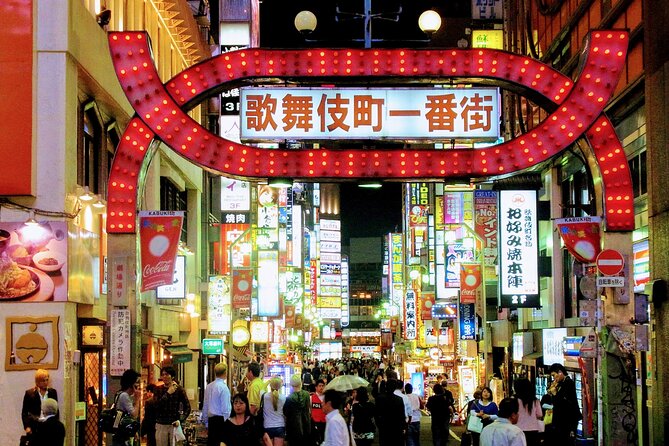
Tokyo Skytree is the big vertical event. You’ll get skip-the-line admission to the Tembo Deck observatory at 350 meters, with about 1.5 hours here.
The overview mentions a 360° panoramic view, and that’s the entire point of Skytree: it gives you an easy mental map of Tokyo’s shape. On a day when you’ve already seen Meiji Jingu, Asakusa, and a slice of modern Tokyo by coach, this is where everything starts to click.
This is also where timing matters. You’ll want to arrive and orient quickly—then decide what you want to photograph first. The lines are a fixed part of observatory life, so the skip-the-line benefit is not just convenient; it protects your time for views instead of waiting.
If you’re afraid of heights, check your comfort level before choosing an observatory at this height.
Odaiba and Tokyo Bay ferry: Rainbow Bridge views, with a real-world caveat
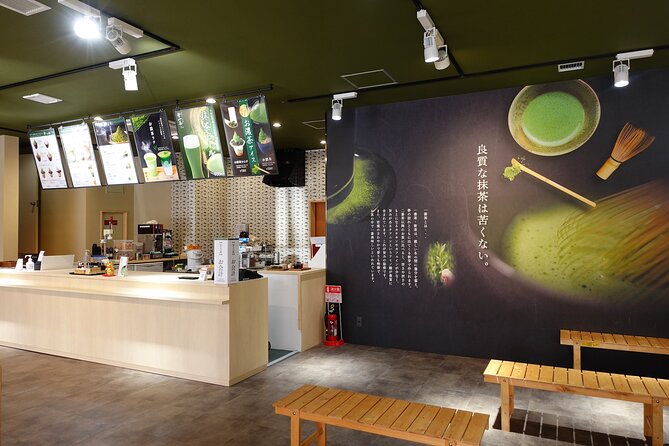
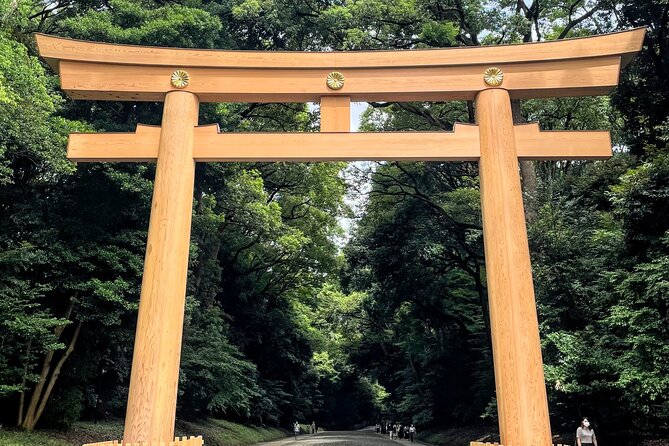
In the afternoon, you’ll head toward Odaiba and take a Tokyo Bay ferry ride. The tour describes it as going under Rainbow Bridge and enjoying skyscraper views, and the time is about 20 minutes.
But here’s the part you need to respect: the tour explicitly warns that the ferry can be suspended due to high tide or emergency maintenance, and sometimes there may be no cruise. When that happens, the tour swaps in an alternate indoor/outdoor option such as Fukagawa Edo Museum or Hamarikyu Gardens—and in that case, you may not go to Odaiba.
Also important: it says refunds will not be given if the cruise is suspended and alternatives are used. That doesn’t mean it’s a bad tour; it means you’re buying flexibility under real conditions. If the ferry is your dream moment and you’d be disappointed without it, you should weigh that risk.
Drive-by Tokyo icons: Tokyo Tower, the Olympics stadium, and big-city eye candy
Between major stops, you’ll get a guided look at a few recognizable urban landmarks:
- Tokyo Tower is referenced at 333 meters, historically iconic on the skyline.
- The Olympics stadium (Tokyo 2021) is referenced, with a note that cedars from 47 prefectures were used for construction.
- You’ll also finish the route near Mode Gakuen Cocoon Tower before returning to the Shinjuku Station area.
This isn’t “museum time,” but it’s helpful when you’re trying to learn Tokyo’s visual language quickly. I like these drive-by details because they give you context for what you’ll later spot on your own.
Pacing and comfort: long day, smart schedule, and what to bring
Expect a 9 to 10 hour day, with multiple stops and a mix of walking and standing. The tour says it is not recommended for people who can’t walk long distances.
Also, the itinerary order can change based on traffic, weather, and operation. That’s not a deal-breaker; it’s Tokyo. Your day might feel slightly different depending on the day’s conditions.
Pacing reviews show two patterns in the real world:
- Many people love the packed feel because it hits major spots with smooth timing and helpful guidance.
- Some people note there’s sometimes more free time between stops than they’d prefer, making the day feel a bit longer.
So, what should you do? Show up ready. Wear comfortable shoes. Bring a light layer for temperature swings. If you’re the type who takes lots of photos, accept that you may need to hustle gently during transitions.
Guides make the difference: what I’d watch for
The tour info is clear that you’ll have a professional English-speaking guide, and multilingual audio guidance is available in several languages including English, French, Italian, Spanish, German, Portuguese, and UK.
From the guide names mentioned, it’s obvious this product tends to be guided by friendly, high-energy professionals—examples include Momo, Lovely, Uta, Yui, Hiro, Yuty, Aya, Levin, Lisa, Tsubasa, and Yuta.
You can’t choose your guide from this info alone, but you can choose how you engage. Ask questions during the coach ride. When you get to a stop, use your guide’s framing to decide what to prioritize: photos, architecture, or “why this matters.”
Should you book this Tokyo full-day coach tour?
Book it if:
- You’re on a first trip and want a clear “Tokyo highlights” route in one day.
- You want Skytree without fighting ticket lines, plus guided context at Meiji Jingu and Asakusa.
- Matcha and a included Japanese lunch matter to you.
- You prefer guided transit over navigating multiple train changes.
Skip it or think twice if:
- The Tokyo Bay ferry is a must for you, and you’d feel let down if the ferry doesn’t run. The tour can replace the cruise segment with alternatives, and there’s no refund for that swap.
- You don’t want a long day with walking. The tour is designed for efficiency, not slow wandering.
If you’re flexible about the ferry and you like structured sightseeing, this is a solid value play. For most first-timers, it’s one of the easiest ways to get your bearings fast—and still eat matcha.
FAQ
How long is the Tokyo bus tour?
The tour runs about 9 to 10 hours.
How much does it cost?
The price listed is $129.25 per person.
Is the Tokyo Skytree ticket included?
Yes. Admission to Tokyo Skytree (Tembo Deck) is included, and the tour includes skip-the-line entry.
What matcha experience is included?
You’ll get an authentic Uji matcha experience, plus a matcha drink or matcha gelato.
What’s included for lunch?
Lunch includes a karaage and tofu set meal with a soft drink (if selected). Vegetarian and gluten-free options are available when you book.
Are there any food restrictions I should know about?
The standard lunch notes no pork, no seafood, and that miso soup may contain fish stock. It also mentions no nuts and no crustaceans for the meal, and for serious allergies it advises booking without lunch.
Does the tour always include the Tokyo Bay ferry?
Not always. The tour says the ferry can be suspended due to high tide or emergency maintenance, and when that happens an alternative stop like Fukagawa Edo Museum or Hamarikyu Gardens may replace Odaiba. Refund is not provided for this change.
Where does the tour start and end?
It starts and ends in the Shinjuku area. The listed final drop-off is near Shinjuku Station about 18:10.
What languages are available for audio guidance?
Audio guidance is available in English, Spanish, French, Italian, German, Portuguese, and UK.
Can I cancel for a full refund?
Yes. It allows free cancellation up to 24 hours in advance for a full refund, and cancellations within 24 hours are not refunded.