Vienna moves fast; this bus keeps up. I like the flexible hop-on hop-off setup because it lets you pace yourself through imperial landmarks without building an entire day around walking. I also like the onboard audio commentary, which helps the streets make sense instead of just looking pretty. One thing to watch: Vienna traffic and stop wait times can stretch the ride longer than the quick brochure promise.
You get to choose your rhythm. Stay onboard for the full loop to get an instant overview, then hop off when something catches your eye—palaces, churches, art museums, or the blue ribbon of the Danube.
If you’re short on time, this is a smart way to cover a lot of ground. If you’re counting on exact, minute-by-minute timing, give yourself extra buffer and plan for some sitting-and-waiting between sights.
In This Review
- Key highlights worth planning for
- Why hop-on hop-off works in Vienna (and where it doesn’t)
- Ticket choice: 24 vs 48 hours (and when it’s actually worth it)
- Getting on board without wasting time: mobile ticket, Wi‑Fi, and stop-finding
- The two routes: how to choose what matches your Vienna day
- Route A style: center sights plus Danube and Prater
- Route B style: museums, Schönbrunn, and Belvedere
- Stop-by-stop: what each major area is good for
- Opera area and art collections: Vienna State Opera and Albertina
- House of Music and Museums Quartier
- Hofburg and city administration landmarks
- Votive Church and Schwedenplatz: churches and canal views
- Prater and the Giant Ferris Wheel
- Danube corridor: Blue Danube piers, Danube Tower, and Alte Donau
- UNO City and the DC Tower area
- Donauinsel and Hundertwasser House
- Stadtpark: a calmer finish
- Museum of Science and Technology and the Mittel-style breaks
- Schönbrunn Palace & Zoo
- Hauptbahnhof as a practical hub
- Upper and Lower Belvedere
- Audio commentary in 8 languages: how to get more than just music
- The included 90-minute walking tour from the Opera: when it helps most
- Timing reality check: Vienna traffic can change your loop plans
- Night view option: seeing Vienna after dark
- Value check: is this $36.67 experience a good deal
- Who should book this Big Bus Vienna tour
- Should you book Big Bus Vienna hop-on hop-off?
- FAQ
- How long is the Big Bus Vienna hop-on hop-off tour?
- Do I choose a 24-hour or 48-hour ticket?
- Is the ticket valid for the entire day I buy it?
- Is the tour offered in English?
- Is there audio commentary and what languages are available?
- Where does the included walking tour start, and when does it run?
- Are hotel pickup and drop-off included?
- Does the route include river cruise stops?
- Are there options for seeing the city at night?
- What is the cancellation policy?
Key highlights worth planning for
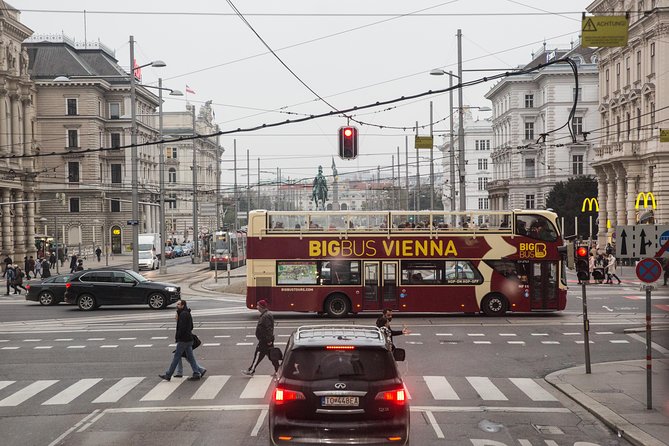
- Two route loops so you can match your day: center-and-Danube sights vs. palaces and museum clusters
- Audio in 8 languages plus free onboard Wi‑Fi to help you orient on the fly
- Free VOX Digital Walking Tour download to extend the sightseeing after your bus ride
- Included walking tour (selected tickets) starting at the Opera at 11:30am, running 90 minutes
- River cruise stops on the route, with departures that may shift in heavy rain or high water
- Comfort in winter, including covered top-deck viewing for clearer sightlines when it’s cold
Why hop-on hop-off works in Vienna (and where it doesn’t)
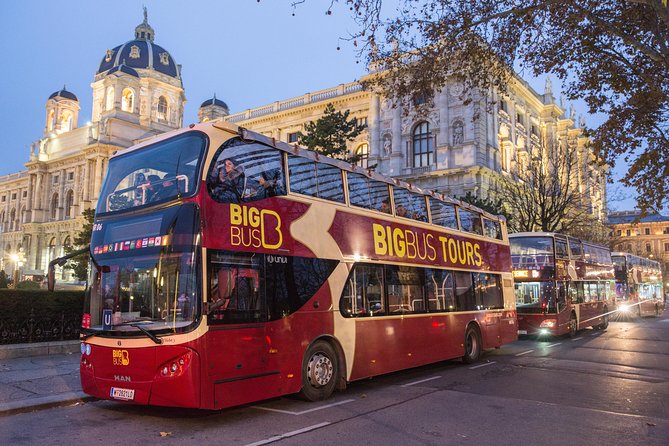
Vienna is laid out so you can connect major sights with public transit, canals, and wide boulevards. The Big Bus model fits that pattern well: you can treat the bus like your moving base, then step off for a focused visit and step back on when you’re ready.
The big win is less planning stress. Instead of committing to one exact walking circuit, you can do a soft loop first. Then you decide what deserves your legs.
The drawback is simple: buses sit in the same traffic as everyone else. When you hit peak hours (and Vienna likes traffic lights), your loop can drift well past what you might expect for a 1-hour-something outing.
Ticket choice: 24 vs 48 hours (and when it’s actually worth it)
You can buy a 24-hour or 48-hour ticket, and it’s valid starting from your first use. That matters because it rewards starting early on a full sightseeing day instead of squeezing it into your last afternoon.
If you’re visiting for a day or two and want a clean overview, 24 hours can work. But if you’re trying to hit multiple bigger attractions (think Schönbrunn and the Belvedere area), 48 hours usually feels less rushed.
For extra value, some ticket options include more than just bus time:
- A free guided city walking tour is included with selected tickets.
- The 48-hour + walking tour option includes a free Viennese sausage plate at ZUM KAISER (about a one-minute walk from the Opera stop area).
That food stop might sound small, but it’s a practical perk. It’s one less decision when you’re between sights.
Getting on board without wasting time: mobile ticket, Wi‑Fi, and stop-finding
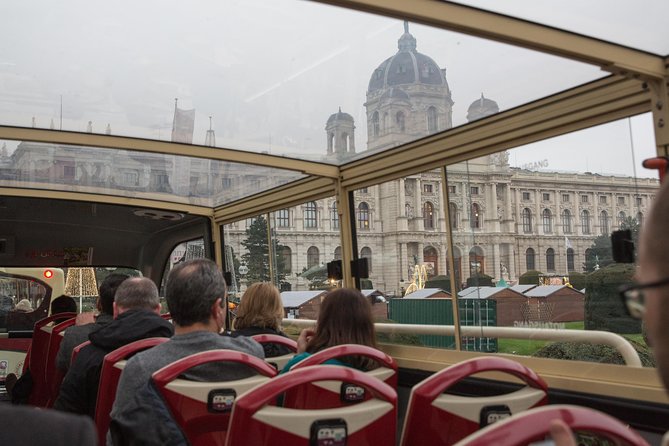
This tour uses a mobile ticket. In practice, that means you’ll want your phone ready at the stop and your QR code easy to scan. If you’ve ever gotten stuck at the last second with a blank screen, you’ll appreciate having this sorted before you reach Stop 1.
Big Bus also includes free Wi‑Fi, which can be handy for checking your bearings and planning the next hop. The app experience matters too: there’s a Live Tracking feature and a Find a Stop feature designed to help you match the stop where you are with the one you want.
One real-world tip: in Vienna, street signs can be mostly German and Austrian German. If you don’t read it fluently, use the app’s photo-based stop finder rather than guessing from distance.
The two routes: how to choose what matches your Vienna day
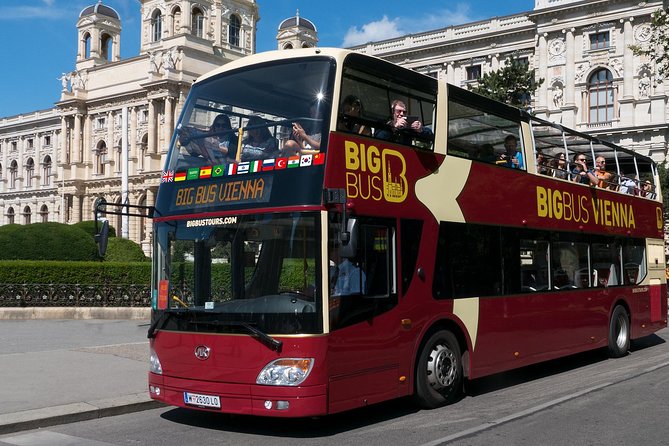
Big Bus Vienna runs two route options that together cover a lot of the city. Most people find it easiest to decide based on what you care about most.
Route A style: center sights plus Danube and Prater
This style of loop strings together the Opera area, the historic center, and the Danube corridor. You also pass major photo targets like the Hundertwasser House and the Danube Tower, plus the Prater area for the Ferris wheel.
It’s a strong fit if you want:
- a mix of imperial architecture and modern city views
- a change of scenery near the river
- a simple way to reach the Prater area without plotting a transit route
Route B style: museums, Schönbrunn, and Belvedere
This style is better if you’re aiming for palaces and museum zones. It hits the Museums Quartier area and then moves toward Schönbrunn Palace & Zoo, plus Upper and Lower Belvedere.
It’s a strong fit if you want:
- a palace day without bus transfers
- art-adjacent stops clustered close to major attractions
- an easy path between the central museum district and the palace region
If you’re doing just one thing your first day, I’d usually pick the loop that matches your must-see list, then use the other route on your second day if your energy holds.
Stop-by-stop: what each major area is good for
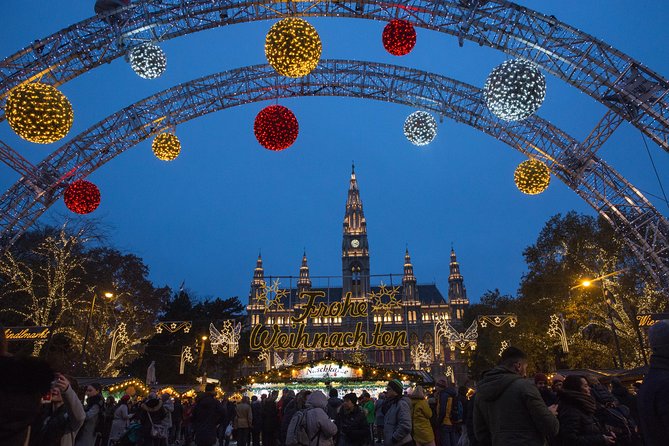
Below is the practical way I’d think about the route stops, not just as names on a list.
Opera area and art collections: Vienna State Opera and Albertina
The Vienna State Opera area is a great starting point. Even if you don’t go inside, it’s a classic Vienna landmark and a solid anchor for meeting up with your day.
The loop also serves the Albertina area (often paired with the Opera stop area depending on the route). If you like art and want an easy museum target without deciding too early, this stop is convenient.
House of Music and Museums Quartier
The House of Music stop is for anyone who prefers interactive, easier-to-plan stops over pure exterior viewing. Nearby, Museums Quartier is one of those districts where you can pop into a museum or just enjoy the built energy around it.
If you’re a first-timer, this is a good place to hop off, grab a snack, and reset your brain before heading into heavier sightseeing.
Hofburg and city administration landmarks
The stop labeled around Hofburg (former Habsburg residence) is a major imperial anchor. It’s one of those Vienna sights that rewards time because the buildings and courtyards don’t feel like a quick photo stop.
Then you also hit Vienna City Hall (Rathaus). Even if you’re just looking from the outside, it’s a good contrast to older imperial power—different era, different style.
Votive Church and Schwedenplatz: churches and canal views
The Votive Church (Votivkirche) stop is for Gothic beauty and a strong Vienna skyline moment.
Schwedenplatz is where the city starts to feel more watery. It’s tied to the Danube Canal area and helps you pivot from strict museum-and-palace time into scenic walking and river-adjacent breaks.
Prater and the Giant Ferris Wheel
The Prater stop is ideal for a classic Vienna outing without needing a separate transit plan. This is also where the city feels a bit more playful.
If you’re traveling with kids, or you just want a non-museum moment, this is the hop-off I’d prioritize.
Danube corridor: Blue Danube piers, Danube Tower, and Alte Donau
The bus route includes stops connected to DDSG Blue Danube areas (piers for City Cruises Vienna). Important note: departures for river experiences may vary due to heavy rain, high water, or other circumstances. If you’re planning around a cruise, ask Big Bus staff for the latest info on the day.
You also get access to:
- Danube Tower (Donauturm), for big views
- Old Danube (Alte Donau), which can be a calmer break from the city center
UNO City and the DC Tower area
The stop around Vienna International Centre (VIC) and UNO City / DC Tower is your modern Vienna reality check. If you only do imperial and museum stops, you can miss how the city looks when it’s not pretending centuries didn’t change anything.
Donauinsel and Hundertwasser House
Donauinsel is a long stretch of river island space that can be great for strolling once you’re done with the main sights.
Then there’s the Hundertwasser House, a stop that many people photograph first and understand after. It’s one of those buildings where the exterior is the point, so hopping off briefly is still satisfying.
Stadtpark: a calmer finish
Stadtpark is a nice place to end a day. It’s not just a transit stop; it’s a breather zone where you can walk a bit without feeling like you’re sprinting between major attractions.
Museum of Science and Technology and the Mittel-style breaks
On the palace-and-museums route, there’s a stop for the Museum of Science and Technology Vienna (Technisches Museum Wien). If you’re traveling with mixed interests—someone who wants history plus someone who wants hands-on—this kind of stop helps keep everyone happy.
Schönbrunn Palace & Zoo
The Schönbrunn Palace & Zoo stop is the heavy hitter. If your Vienna trip includes only one palace, this is often where you’ll spend serious time. Even if you only do the exterior views at first, you’ll likely want more once you’re there.
Hauptbahnhof as a practical hub
The stop at Main Train Station (Hauptbahnhof) is useful as a logistics anchor. It can make your day easier if you’re moving between areas by foot and want a clear, central re-boarding point.
Upper and Lower Belvedere
The Upper Belvedere and Lower Belvedere stops make it easier to plan an art and gardens day without guessing transit lines. If you like palace architecture plus landscaped grounds, this area is a must for a second hop-off loop.
Audio commentary in 8 languages: how to get more than just music
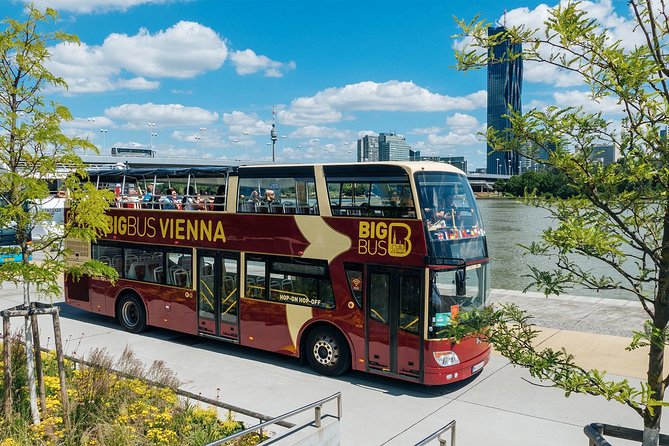
The tour includes audio commentary in 8 languages. This is one of the key reasons these buses feel more useful than sitting on a sightseeing loop with no context.
I’d treat the audio like a lightweight guidebook you can control. If a building catches your eye, rewind your attention by staying on board through the next few minutes so you get the story before you hop off.
A small practical concern: audio can fail on individual buses or headsets. I’d recommend doing a quick check early in the ride. If it sounds wrong, flag staff right away rather than waiting through the whole loop.
The included 90-minute walking tour from the Opera: when it helps most

Some ticket options include a live guided city walking tour that starts at Stop 1: Opera. It runs daily at 11:30am and lasts 90 minutes.
This is the part I’d plan if you want context fast. A guided walk around the city center can turn what looks like a pile of grand buildings into a clear story line. Then your bus loop becomes more meaningful because you already understand what you’re seeing.
If you’re also doing the 48-hour ticket, there’s a bonus meal perk: a free Viennese sausage plate at ZUM KAISER near Stop 1. It’s a convenient way to fuel up without hunting for something open at exactly the wrong time.
Also, there’s a free VOX Digital Walking Tour download, which is useful if you want an extra layer after your bus day ends.
Timing reality check: Vienna traffic can change your loop plans
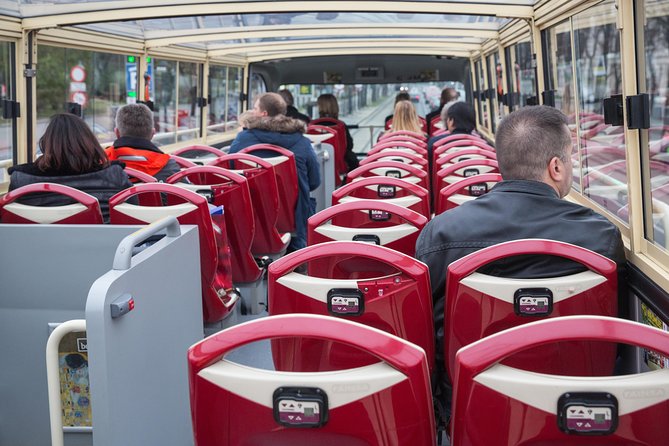
Even with frequent service, Vienna’s traffic can slow the loop. In the center, buses face the same red lights and congestion that cars do.
Plan for one of two outcomes:
- You’ll move slower than the brochure estimate.
- You’ll spend more time in and out of sitting-and-waiting between stops.
If you’re trying to fit this between a reservation and dinner, build in buffer time. And if you only have one day, pick a loop that matches the sights you care about most, so you’re not disappointed if the schedule slips.
Night view option: seeing Vienna after dark
If you want a change of pace, there’s an alternative nighttime bus tour option. The value here is simple: some cities hit differently at night, and Vienna’s lighting makes certain landmarks look calmer and more dramatic.
If you do this, I’d use the daytime loop first for orientation. Then the night tour becomes a second pass with better context.
Value check: is this $36.67 experience a good deal
At around $36.67 per person, this isn’t a bargain like a cheap transit day pass. It’s a convenience product: you’re buying time-saving routing, easy re-boarding, and audio interpretation.
This tends to be worth it when:
- you have limited time and want multiple major stops
- you’d rather sit and listen than plan transit connections all day
- you want an easy fit for mobility limits, since you can stay onboard and still see a lot
It may not be ideal if:
- you hate waiting at stops
- you want deep museum-level explanations for every stop (the bus audio has to stay broad)
- you’re visiting only one or two sights and already know exactly how you’ll get there
Who should book this Big Bus Vienna tour
Book it if you:
- want a low-stress overview across central Vienna plus at least part of the Danube or palace areas
- like having flexibility to hop off for lunch, photos, and quick visits
- need a practical plan when weather or energy levels change
Skip or rethink it if you:
- are extremely time-tight and dislike delays from traffic
- expect the bus audio to replace a serious guided museum tour
- plan to do nonstop hopping without time for walking once you step off
Should you book Big Bus Vienna hop-on hop-off?
Yes, if your goal is to get your bearings fast and cover multiple headline sights in a way that doesn’t lock you into one fixed walking plan. The strongest reason to choose it is the mix of hop-on flexibility plus audio commentary in multiple languages, which turns a bus ride into something closer to a guided city overview.
If you’re scheduling tight reservations, treat it like a flexible framework, not a precise timetable. Pick the loop that matches your top priorities, use the app for stop-finding, and keep your day buffer-friendly. Do that, and the tour becomes a helpful backbone for a very Vienna-looking kind of day.
FAQ
How long is the Big Bus Vienna hop-on hop-off tour?
It runs for about 1 hour 50 minutes (approx.), though the total time you experience may vary depending on traffic and time spent at stops.
Do I choose a 24-hour or 48-hour ticket?
Yes. You can select either a 24-hour or 48-hour ticket to match how many sights you want to cover.
Is the ticket valid for the entire day I buy it?
Your ticket is valid from the time of your first use, so it’s best to start it when you want the clock to begin.
Is the tour offered in English?
Yes, the tour is offered in English.
Is there audio commentary and what languages are available?
Audio commentary is available in 8 languages, and there is free Wi‑Fi as part of the experience.
Where does the included walking tour start, and when does it run?
The guided city walking tour starts from Stop 1: Opera. The English tour departs daily at 11:30am and lasts 90 minutes.
Are hotel pickup and drop-off included?
No. Hotel pickup and drop-off are not included.
Does the route include river cruise stops?
The route includes areas connected to DDSG Blue Danube river cruise piers, but departures may vary due to heavy rain or high water. It’s best to ask Big Bus staff for the most current details.
Are there options for seeing the city at night?
Yes, you can alternatively book a nighttime bus tour for a different view of Vienna.
What is the cancellation policy?
You can cancel for free up to 24 hours in advance of the experience for a full refund. If you cancel less than 24 hours before the start time, the amount paid is not refunded.