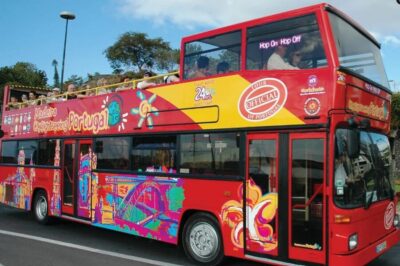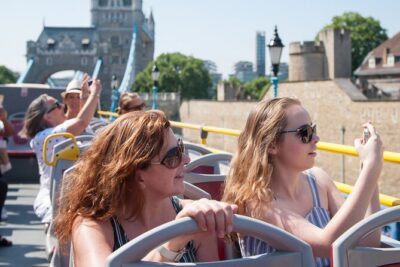
Bonn’s bus turns a scatter of sights into a story. In one day, you cruise through 2,000+ years of change—from Roman-era roots to Bonn’s modern role in international affairs—while an on-board audio guide keeps the context coming. I love how the ride is open-deck for photos, yet the audio keeps you from getting lost in translation or dates.
My second big win: you get 11 hop-on hop-off stops, so you can pace yourself. One hour you’re outside Bonner Minster, the next you’re back on the bus heading for the Museum Mile and the UN area, without committing to one fixed walking loop.
One drawback to plan around: departure timing info can feel unclear online. If you’re aiming for a specific mid-day departure (for example, around 13:00), I’d confirm by checking the detailed timetables posted at the stops before you set your schedule.
In This Review
- Key highlights and what they mean for you
- Why Bonn’s hop-on hop-off bus feels like a guided city lesson
- Price and value: is $28 for 24 hours actually fair?
- How the ride works: start anywhere, check timetables, and pace your hop-offs
- The 11 stops in order: what to do at each one
- 1) Budapester Straße / Corner Sternstraße (start)
- 2) Bonner Minster
- 3) Nussallee
- 4) Museum Mile
- 5) Bad Godesberg Redoute
- 6) Rhine bank
- 7) Kennedyallee
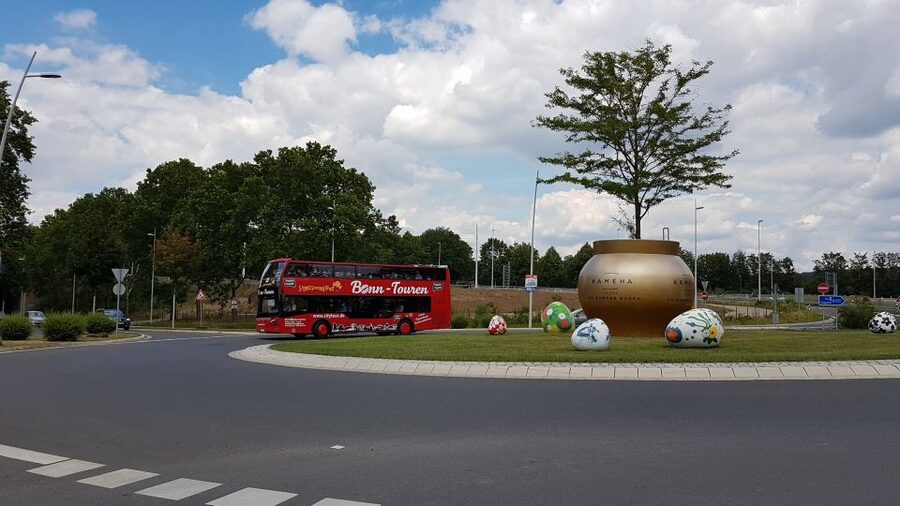
- 8) Kameha Hotel
- 9) WCCB
- 10) Museum König
- 11) Brassert Ufer
- The Museum Mile and UN Campus stretch: the “culture meets global Bonn” moment
- Siebengebirge and the Rhine gateway: why the scenic stops are worth time
- Audio guide and headphone etiquette: how to hear the best parts
- Open-deck sightseeing with real-life limits
- Who should book this Bonn bus (and who should not)
- Should you book this Bonn: 24-Hour Hop-On Hop-Off Sightseeing Bus Ticket?
- FAQ
- How long is the ticket valid?
- Can I start at any stop, or only the first one?
- How many stops are on the route?
- Is there a live tour guide on the bus?
- What languages are included for the audio guide?
- Are headphones included?
- Is the bus wheelchair accessible?
- Are attraction tickets included?
- Is food or drink included?
- Are dogs allowed?
Key highlights and what they mean for you
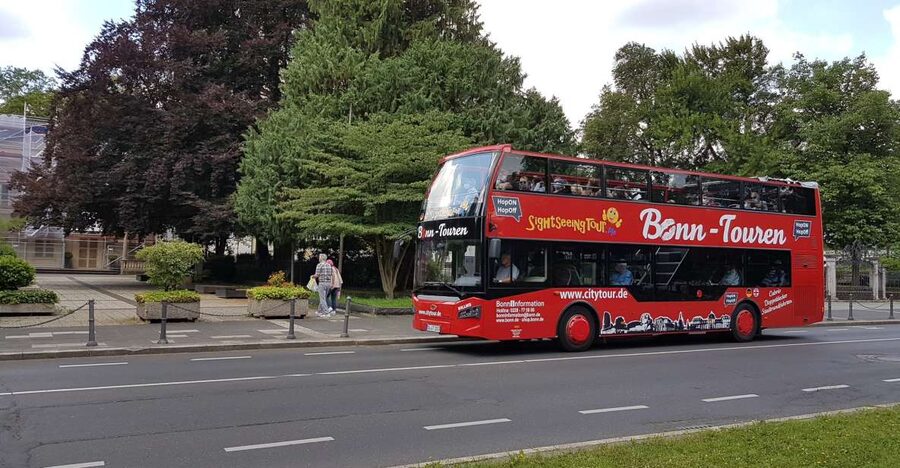
- 11 stops across Bonn means you can tailor your day, not follow a rigid checklist.
- Multilingual audio guide + included headphones helps you understand what you’re seeing without needing a live guide.
- Museum Mile and UN Campus zone gives you a strong “culture + global affairs” mix in one route.
- Siebengebirge views and Rhine bank stops work well for quick scenic breaks and photo stops.
- Barrier-free lower bus area makes the tour easier if you use a wheelchair (upper deck access isn’t the focus here).
Why Bonn’s hop-on hop-off bus feels like a guided city lesson
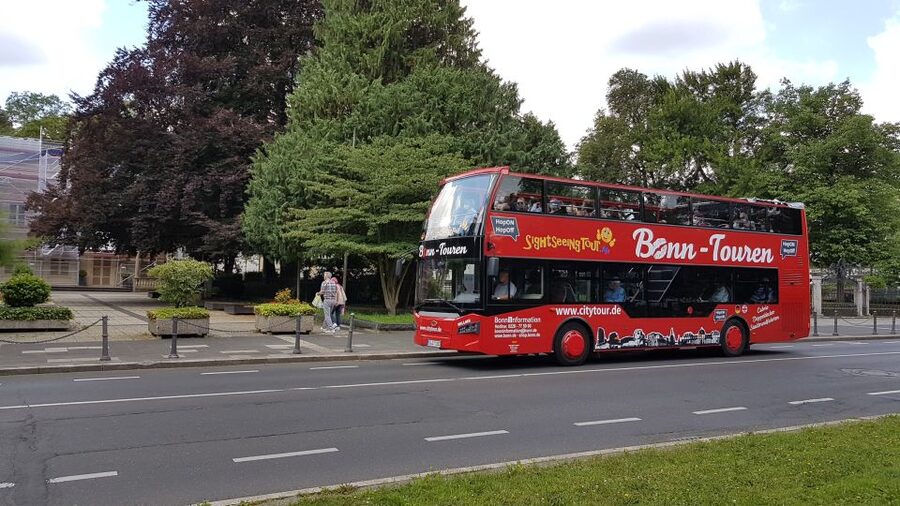
This ticket works because it’s not just a bus ride with stops. It’s designed as a moving explanation of Bonn—how the city shifted from older eras into a modern international hub. You get the visuals from the open deck, then you get the meaning through audio commentary in multiple languages.
I especially like that the tour ties neighborhoods to themes. You pass through spots tied to Bonn’s classic urban texture—then you hit the international-administration area—then you pivot to the Rhine gateway and the Siebengebirge hills. That flow matters. It makes Bonn feel like one place with threads connecting it, not a pile of unrelated landmarks.
And since headphones are included, you’re not stuck sharing one loud speaker with everyone else. It’s a simple upgrade that keeps the experience calmer and easier to follow, particularly if you’re traveling with people who don’t all speak the same language.
Price and value: is $28 for 24 hours actually fair?
At about $28 per person for a full day, you’re paying for three practical things: time, access to multiple viewpoints, and built-in context. For many visitors, that’s the sweet spot. Bonn’s central areas are walkable, but the “right” walking routes are easier to design when you’ve already seen where things cluster.
Here’s how the math tends to work in real life:
- If you’re trying to cover the Museum Mile, the UN Campus area, and Rhine/Siebengebirge scenery in one day, hopping between points by bus saves you from guessing distances.
- If you don’t want to hire a guide, the multilingual audio provides the closest substitute without adding ticket costs.
- If you take breaks, get back on, and don’t feel guilty about missing one stop, the 24-hour format is where the value kicks in.
This isn’t a cheap way to see everything. It’s a smart way to see the main structure of the city—then decide what deserves extra time on foot or with museum visits.
How the ride works: start anywhere, check timetables, and pace your hop-offs
You can board at any of the 11 stops. The first stop is at Budapester Straße / Corner Sternstraße, but you don’t have to start there. That flexibility is useful if you’re staying near the Rhine, near the city center, or closer to the Museum Mile.
A practical tip: treat this like a self-paced day schedule. Don’t plan for “perfect efficiency.” Plan for natural pauses:
- One hop-off for 45–75 minutes to sightsee or walk.
- A second hop-off for a longer stretch if a place calls to you.
- Back on the bus before you get tired.
Timing matters because sightseeing works best with rhythm. Travel times can change, and high demand can affect seating and rides. Also, seat reservations aren’t a thing here, so plan for the possibility that you’ll stand or wait briefly during busy periods.
If you’re sensitive to exact departure timing, you’ll want to confirm the detailed timetable at the stop you plan to use. Some online info can be harder to interpret, and it’s not worth risking a tight plan around a specific mid-day hour.
The 11 stops in order: what to do at each one
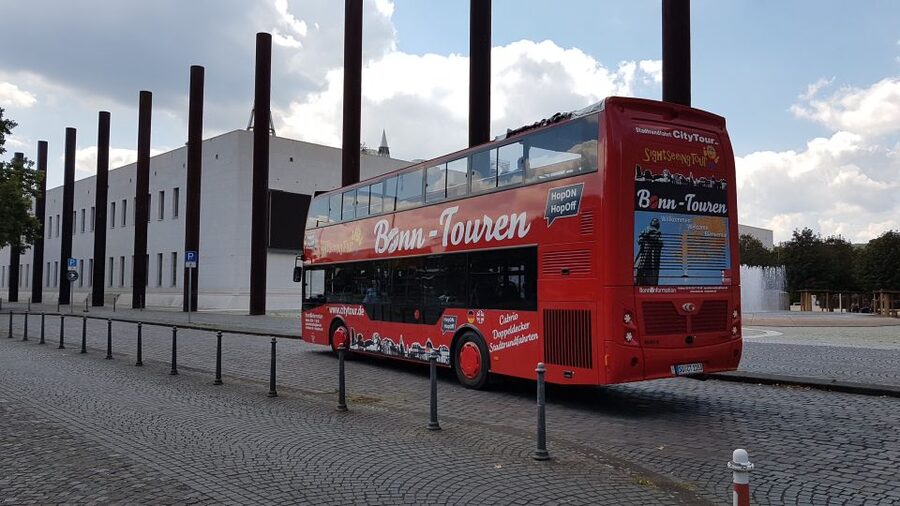
The route links Bonn’s center, cultural institutions, the international zone, and the scenic Rhine approach. Here’s how I’d think about each stop—what it’s best for and what to watch out for.
1) Budapester Straße / Corner Sternstraße (start)
This is your gateway onto the route. Use it to set your day’s tone: start here if you want a clean launch, or use it as a “reset” point later if you’re running short on time. It’s a good stop to get oriented quickly before you commit to walking.
2) Bonner Minster
If you like classic city-center landmarks, this is your anchor. It’s the kind of stop where a short stroll can turn into “one more photo” territory. Keep your visit focused: look around, then decide if you want to spend extra time nearby on foot.
3) Nussallee
Think of this stop as a bridge between the central city feel and the more institution-focused sections. It’s useful when you want to stretch your legs without committing to a full museum break. If the next bus is due soon, it’s also a good “quick hop” stop.
4) Museum Mile
This is a main event. The tour positions this area as a highlight for renowned institutions, so if you want your day to include cultural stops, spend time here. A smart move is to hop off, walk the area on foot for a bit, and then pick one or two places to focus on rather than trying to see everything in one hit.
5) Bad Godesberg Redoute
This stop brings you into the Bad Godesberg story—Bonn’s former spa and residence town vibe, with villas and an elegant feel. If you’re in the mood for calmer streets and a more residential atmosphere than the city core, this is a great hop-off choice.
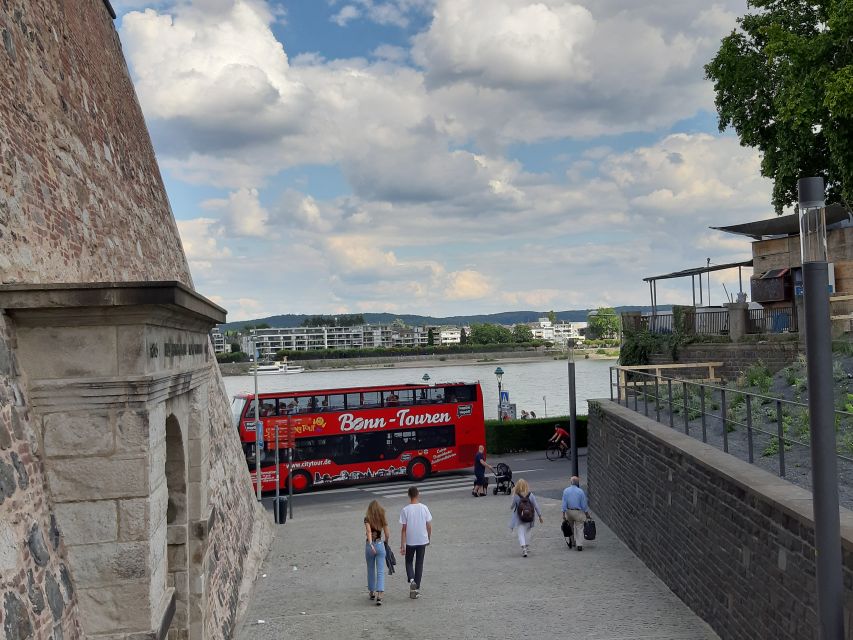
6) Rhine bank
This is where the views start doing the heavy lifting. The route uses the Rhine approach to set up the Siebengebirge scenery later. Plan to linger for photos and a short walk along the water, then get back on before you lose track of time.
7) Kennedyallee
Use Kennedyallee as a convenient “get off and wander” stop along the way. It’s especially helpful when you want to explore without feeling like you’re moving too fast. It also gives you a way to break up your day before the next cluster of stops.
8) Kameha Hotel
This one is more about location and convenience than being a single famous sight on its own. If you’re using the bus to shift between parts of Bonn efficiently, Kameha Hotel is a handy stop for lining up your walking time.
9) WCCB
This stop is another practical anchor for the areas the route is connecting. If you’re aiming to cover the “international” side of Bonn in addition to the historical core, WCCB helps you reposition without backtracking.
10) Museum König
This is one of your culture-focused stops within the Museum Mile area. If museums are your priority, spend time here instead of treating it like a quick photo stop. The audio guide helps you understand why this zone matters—then your museum choice turns the concept into a real visit.
11) Brassert Ufer
This feels like a wrap-up stop for the river-and-city relationship. It’s a good last or penultimate hop if you want to end your day with a walk and views. If you’re tired, keep it simple: a loop near the water, a final look around, then back on for the ride home.
The Museum Mile and UN Campus stretch: the “culture meets global Bonn” moment
If you only “sort of” see Bonn, you’ll miss the way the city connects old and new. The route is built to show you both.
The Museum Mile gives you the cultural backbone: institutions close enough that one hop-off can become a full block of your day. Then the tour moves you toward Bonn’s newer international center, spotlighting the UN Campus and major global-office ties such as Deutsche Telekom and Deutsche Post DHL. That’s a big deal for first-timers. Bonn isn’t only pretty; it’s a working international city.
I like pairing these areas with a focused plan. If you hop off and then immediately try to do five things at once, you’ll feel rushed. Instead:
- Let the audio do the intro while you’re still on the bus.
- When you hop off, pick one main goal (a museum or a walk).
- Use the next bus as your reset button.
This is the stretch that most strongly turns a sightseeing day into something that actually makes sense.
Siebengebirge and the Rhine gateway: why the scenic stops are worth time
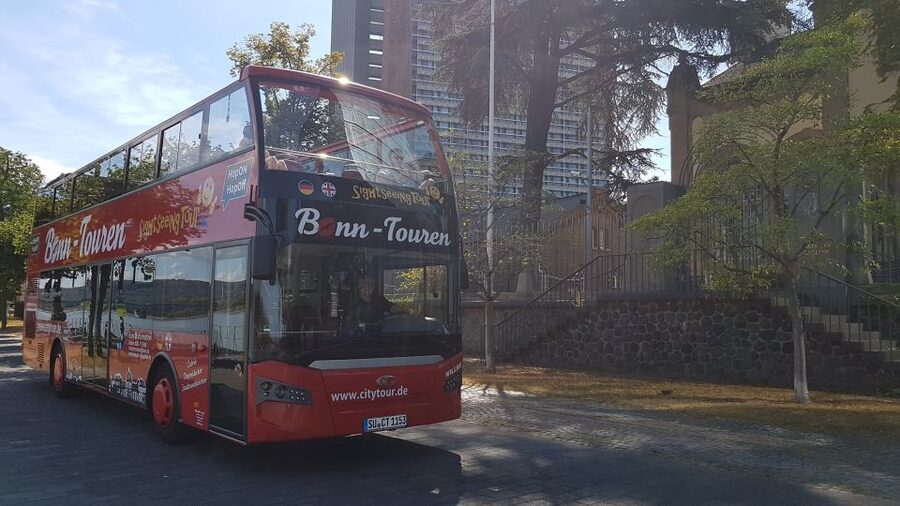
Bonn sits near the Siebengebirge hills, described in the tour as a gateway to the Rhine. Even if you don’t plan a big nature hike, the payoff here is views and breathing room.
Your best strategy is to treat the Rhine bank and the surrounding viewpoints as short scenic breaks. You don’t need to overcommit. Fifteen to forty minutes can be enough to enjoy the panorama, take photos from comfortable spots, and then continue.
The hills also help you understand Bonn’s setting. It’s one reason the city feels different from a purely flat, inland stop. When you can see where the landscape rises, it’s easier to imagine how the city grew and how people use the area today.
Audio guide and headphone etiquette: how to hear the best parts
This tour’s secret weapon is the audio guide. It’s available in Dutch, English, French, German, Japanese, and Spanish, and headphones are included. That means the narration can actually stay personal, even in a busy bus.
Two practical tips:
- Keep your listening volume steady. If you turn it up to compete with background noise, you’ll fatigue faster.
- Be considerate with calls and loud conversations. If someone around you starts an incoming phone conversation, it can make the guide harder to follow in that moment.
If you’re the type who likes context, you’ll get a lot out of listening to the narration as you pass neighborhoods, not just at stops.
Open-deck sightseeing with real-life limits
The open deck is a big part of why this ticket works. You’re not stuck staring through glass for the whole day. Still, you should expect normal sightseeing limits:
- Seating isn’t guaranteed because seat reservations aren’t possible.
- High demand can lead to standing or brief waits.
- Travel times can adjust, so don’t build a rigid minute-by-minute plan.
This is why I recommend a relaxed mindset. Use the bus like a moving window. When you like a view, hop off. When you want to move on, hop back.
Who should book this Bonn bus (and who should not)
You’ll probably love it if:
- You want a first-timer-friendly overview without booking separate guided options.
- You prefer to decide on the fly, using the 24 hours to choose what deserves extra time.
- You like the idea of seeing both the city’s core landmarks and the modern international zone.
You might skip it if:
- You need a strict timetable with no uncertainty about departure times.
- You want a live, in-person guide answering questions. This includes audio, not a live guide.
- You plan to go deep into lots of paid attractions; the ticket does not include attraction entry, food, or drinks.
There’s also a small “ask me later” point for groups. If you’re traveling as a group, discounts may not be obvious upfront. It may be explained on the spot by the driver or in on-site materials, so asking directly can save you money.
Should you book this Bonn: 24-Hour Hop-On Hop-Off Sightseeing Bus Ticket?
If your goal is a smart, flexible overview of Bonn in one day, yes, it’s a good fit. The route covers the main story beats—history, culture, international Bonn, and Rhine/Siebengebirge scenery—without forcing you into a single fixed walk.
Book it when you:
- Want audio-guided context with headphones in multiple languages.
- Like the idea of controlling your own pace with 11 hop-off stops.
- Plan to spend actual time in the Museum Mile/UN area rather than treating every stop as a drive-by.
I’d only hesitate if your day depends on exact departures and you can’t easily confirm timetable details at the stops. In that case, your risk isn’t the bus—it’s your schedule.
FAQ
How long is the ticket valid?
The ticket is valid for 24 hours, and the experience duration is listed as 1 day.
Can I start at any stop, or only the first one?
You can start your tour at any of the 11 stops. The first stop is at Budapester Straße / Corner Sternstraße.
How many stops are on the route?
The route includes 11 stops: Budapester Straße; Bonner Minster; Nussallee; Museum Mile; Bad Godesberg Redoute; Rhine bank; Kennedyallee; Kameha Hotel; WCCB; Museum König; Brassert Ufer.
Is there a live tour guide on the bus?
No. This experience includes a multilingual audio guide, not a live tour guide.
What languages are included for the audio guide?
The audio guide is available in Dutch, English, French, German, Japanese, and Spanish.
Are headphones included?
Yes. Headphones are included.
Is the bus wheelchair accessible?
Yes. The bus is described as wheelchair accessible, with a barrier-free lower area suitable for wheelchair users.
Are attraction tickets included?
No. Attraction tickets are not included.
Is food or drink included?
No. Food and drinks are not included.
Are dogs allowed?
Yes. Dogs are allowed on the lower bus level.