Oslo in 90 minutes can still feel like a whole day. This hop-on hop-off bus tour gives you an easy overview of major sights with audio in 8 languages as you ride. The open-top, double-decker setup also makes it a decent rainy-day plan, since you can stay covered and still get views.
The big thing to consider: the experience can wobble when the audio equipment and timing don’t behave, especially around cruise arrivals. If you hate waiting and you’re picky about sound quality, keep that in mind.
In This Review
- Key things to know before you ride
- A moving overview of Oslo, with room to choose your own pace
- Where the loop starts: National Theatre to the Royal Palace zone
- The full loop in plain terms: 90 minutes to get oriented
- Vigeland Sculpture Park and Oslo’s culture museums: the highlight stretch for many
- Bygdøynes museum peninsula: Kon-Tiki, Fram, and maritime themes
- Cruise terminals and the waterfront: convenient when you’re on a ship timeline
- Akershus Fortress and the Oslo waterfront: a logical hop-off once you’ve seen the area
- Opera House and MUNCH Museum area: a modern Oslo capstone
- Audio, Wi-Fi, and the BYOD setup: where success depends on your seat and your luck
- Timing and crowds: why cruise days can throw off the “every 30 minutes” promise
- Open-top comfort: rainy Oslo isn’t a deal-breaker
- Price and value: when $46.60 makes sense and when it doesn’t
- Practical tips to make the day smoother
- Should you book this Oslo hop-on hop-off?
- FAQ
- How long does the Oslo hop-on hop-off bus tour take?
- How often do the buses run?
- Where is the first stop, and where can I board?
- What audio options are included?
- Is there Wi-Fi on board?
- How long is the ticket valid?
- Do the ticket prices include museum and fortress entry?
- When does this tour operate in Oslo?
- Can I cancel for a full refund?
Key things to know before you ride
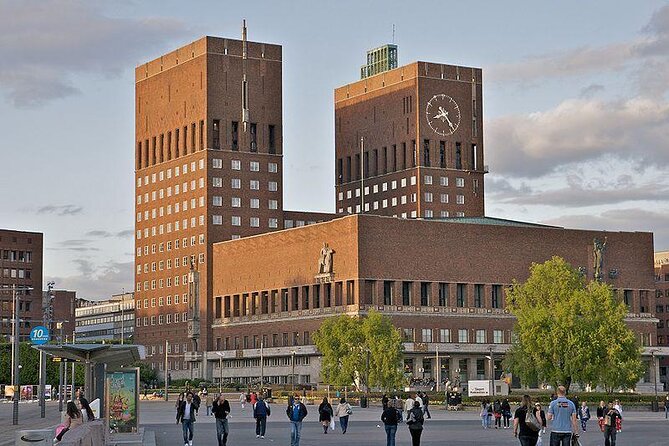
- Hop-on, hop-off flexibility: you can get on and off at the stops you want, then roll back on later
- A route built for first-timers: you’ll hit the Royal Palace area, Vigeland Sculpture Park, and the museum cluster on Bygdøynes
- Cruise-optimized stops: the route includes multiple cruise terminal and port-adjacent areas
- 8-language audio with headset options: free headphones on board, plus a bring-your-own-device option
- Every ~30 minutes: buses run frequently enough that you’re not stuck for long (most days)
A moving overview of Oslo, with room to choose your own pace
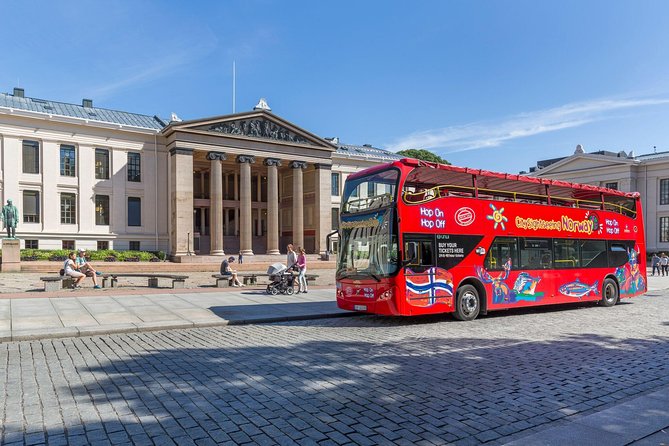
Think of this as a simple way to get your bearings fast, then decide what deserves your time on foot. The route loops through the central sights around Karl Johans Gate and the Royal Palace, then pushes out toward the sculpture park and the big museum area on the Bygdøynes peninsula. It’s a lot of ground, and that matters in Oslo where attractions can be spread out.
I like that the tour is designed for flexibility. You’re not forced into one strict “see everything in order” plan. You can ride the full loop for context, then hop off to explore a specific place more deeply—things like Akershus Fortress or the Viking Ship Museum are exactly the kind of add-on stops that work well after you’ve seen the bus route first.
The practical win is that you’re also not stuck in one spot waiting for a museum to open. You can move when you want, then pause when you find something that hooks you.
Where the loop starts: National Theatre to the Royal Palace zone
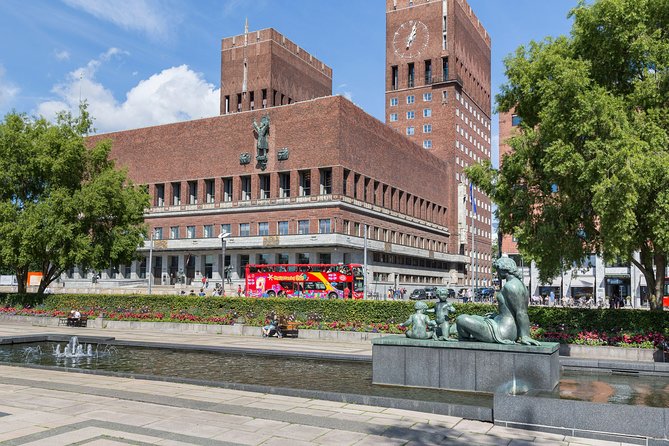
Your first stop is at the National Theatre on Karl Johans Gate. From there, the route heads through one of Oslo’s most central stretches—partly grand buildings, partly classic city-walking space, with plenty of chances to orient yourself. The route references the National Theatre area, and also the Royal Palace and Karl Johans Gate.
This is a good start for two reasons. First, it’s easy to connect this tour to walking plans later. Second, it helps you understand the city center geography before you head out toward the parks and museums.
If you’re arriving by ship or on foot, this center location also matters because it anchors the day. Even if you later decide to skip half the loop, you still get a real sense of where everything sits.
The full loop in plain terms: 90 minutes to get oriented
The tour is about 90 minutes for a loop, and buses run about every 30 minutes. You can then use your pass to ride again within the validity window (24 or 48 hours), which is where the value can kick in.
What you should expect during that first loop:
- You’ll see a lot of the “you really should know this area” parts of town
- You’ll pass key landmarks often enough that it clicks visually, not just on a map
- You’ll hear audio narration as you go, using either in-seat modules or a bring-your-own-device setup
One honest note: some people aren’t thrilled with the sound or timing on certain days. On busy port days, buses can fall behind, and you might get long stretches where you can’t hear much. So treat the first loop as your orientation run, and treat the audio as helpful rather than flawless.
Vigeland Sculpture Park and Oslo’s culture museums: the highlight stretch for many
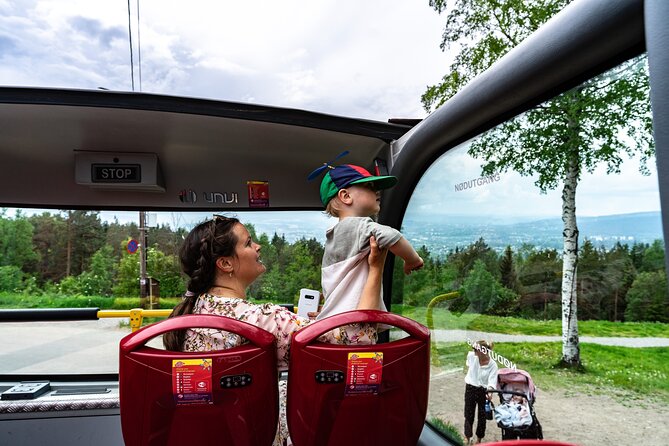
One of the most satisfying parts of the route is the jump to Vigelandsparken (Vigeland Sculpture Park) and the Oslo Museum area. This is where Oslo feels distinctly Oslo. The sculpture park has a strong sense of place, and the bus stop here makes it simple to hop off and actually enjoy the walk rather than just glimpse from the curb.
From there, the route heads toward Folkemuseet (the Norwegian Museum of Cultural History). This is a smart pairing because it turns your day from “pretty sights” into “why this country thinks the way it does.” If you like culture museums that explain Norway through objects and settings (instead of only through facts on a panel), this stop is a good candidate for a real chunk of your time.
Practical tip: if you want photos, plan for the timing of your hop-off windows. The bus schedule is frequent, but the ride itself is still a moving machine—great for seeing, not perfect for stopping-the-world photography.
Bygdøynes museum peninsula: Kon-Tiki, Fram, and maritime themes
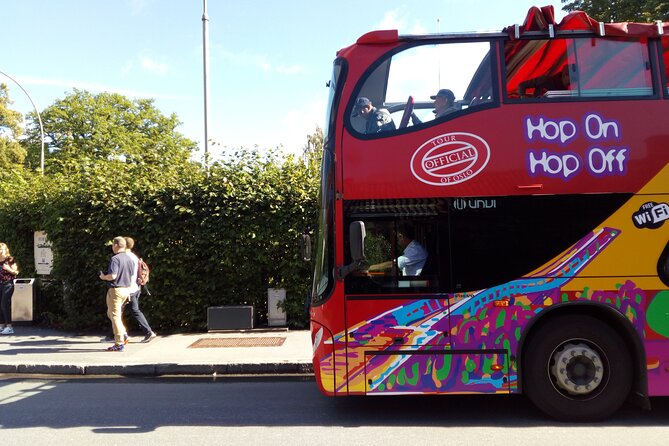
The bus route then swings to Bygdøynes, which is one of Oslo’s main “museum peninsula” stretches. The stop area is aimed at the Bygdøy lineup, including:
- Kon-Tiki Museum
- FRAM (Polar Ship Museum)
- Norwegian Maritime Museum
This cluster is a big reason the hop-on model works. You don’t have to commit to one museum. You can step into the one that grabs you most, then decide if you want to return for another later. For many first-timers, the difference between a decent day and a great day is exactly this: being able to choose based on what you feel like after seeing the exterior and hearing a little context.
Also, this part of the route is ideal if the weather is awkward. Even if it’s raining, you can stay on the bus between stops and only go indoors when you’re ready.
Cruise terminals and the waterfront: convenient when you’re on a ship timeline
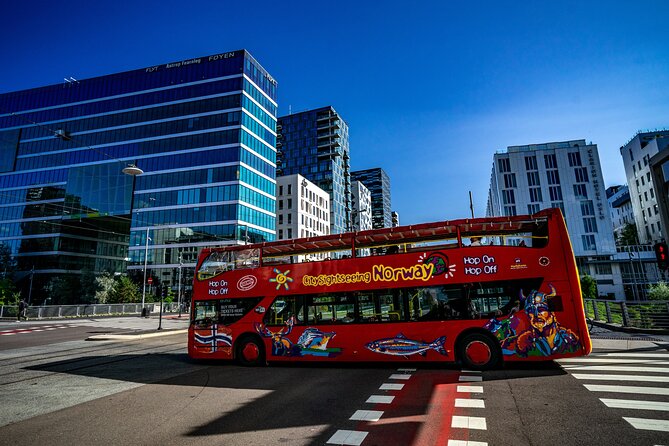
A large chunk of the route includes cruise- and port-adjacent stops, including areas near:
- Oslo Cruise Ship Terminal and Akershus Fortress
- Vippetangen ferry port areas
- Langkaia
- Opera House area (and the MUNCH Museum vicinity)
If you’re on a cruise, this matters. You’re often working with limited time in port, and you can’t easily improvise transportation at the last minute. The tour’s inclusion of multiple port-side points makes it more workable than hop-on routes that only focus on the historic center.
Just know this: when cruise ships arrive, it can get chaotic. I’d plan your expectations accordingly—buses can get full, and you may experience delays. In that scenario, the bus still helps because it gives you a planned path, even if it isn’t perfectly smooth.
Akershus Fortress and the Oslo waterfront: a logical hop-off once you’ve seen the area
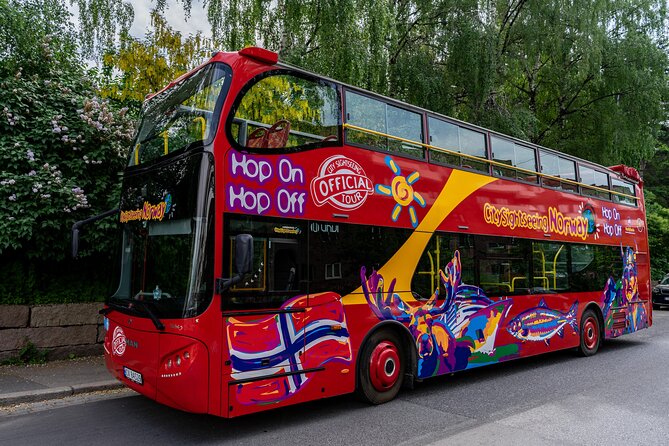
Akershus Fortress is explicitly called out as a stop you can disembark for. This is the kind of sight that benefits from seeing the surrounding area first. After the bus ride gives you the general layout, the fortress area tends to make more sense: where the water sits, where the main walkways lead, and how it connects back toward the city.
If you only have time for one “big” off-bus stop on a first visit, Akershus Fortress is a strong contender. It’s scenic, it’s historic, and it gives you that postcard Oslo feeling without requiring a complicated route plan.
Opera House and MUNCH Museum area: a modern Oslo capstone
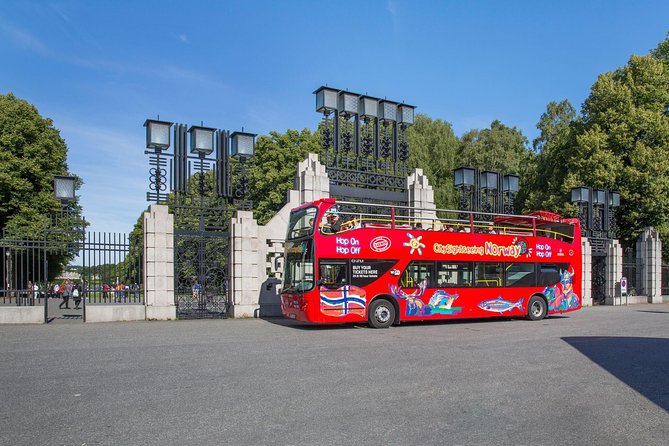
The loop finishes its main run by reaching the Opera House and the MUNCH Museum area (OperaGata 4 is listed). This is a nice counterpoint to the more old-school vibe earlier in the day.
If you’ve been riding through palaces, parks, and museums, the Opera House area brings you back to a modern side of Oslo. It’s also a good place to hop off for food nearby and reset before the next leg of your day.
Even if you don’t go into the MUNCH Museum itself, this stop is useful just for orientation. It’s one of those locations that changes how you picture Oslo on a map.
Audio, Wi-Fi, and the BYOD setup: where success depends on your seat and your luck
This tour’s audio is a core feature. You’ll get audio commentary in 8 languages and you can use either:
- In-seat modules, or
- Bring Your Own Device (BYOD), with adapters available on board
There’s also free Wi-Fi onboard—though some people report Wi-Fi not working, so don’t count on it for everything.
Here’s the balanced take based on the pattern in feedback: when the system works, it’s a relaxing way to learn as you ride. When it doesn’t, it can feel like you’re paying for a bus ride instead of a guided experience. Common problems reported include:
- Audio volume being too low
- Static or gaps in narration
- Confusion about which audio channel to use for a given language
- Headsets not fitting well for some passengers
- Speakers not working on some buses
- Random restarts or narration not synced with what you’re seeing
What I’d do if you care about audio: bring a second pair of headphones if you can. And don’t tie your entire learning plan to perfect narration. Use the audio as a guide, not the only source of information.
Timing and crowds: why cruise days can throw off the “every 30 minutes” promise
The bus frequency is listed as every 30 minutes, and that’s a good cadence in theory. But Oslo also has very real peak moments, especially when cruise ships dock.
Some feedback points to buses running late, drivers skipping stops, or passengers waiting longer than expected when the area gets packed. If your plan is tight—say you must be back on your ship by a certain time—give yourself extra slack. The hop-on model helps, but only if the bus keeps arriving.
This is also why it’s smart to do your first loop early in your day. If things get messy later, you still have a baseline route memory to fall back on.
Open-top comfort: rainy Oslo isn’t a deal-breaker
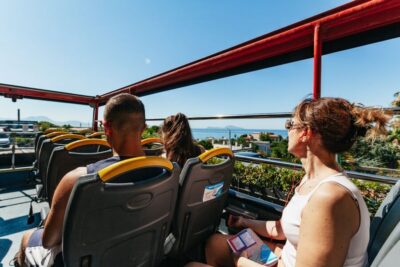
The buses are open-top double-deckers, but they run in all weather. On rainy days, that’s exactly why this tour can feel like a win: you can stay on board and still see a lot without getting drenched between far-apart stops.
That said, rainy conditions can create equipment problems on some buses. You may encounter issues with rain covers or plastic partitions not staying put, which can affect your comfort and your ability to hear clearly. In practice, dress for damp weather and bring a layer, even if you think you’ll just “ride through it.”
Price and value: when $46.60 makes sense and when it doesn’t
At about $46.60 per person, this is not a cheap bus ride. The value depends on what you plan to do off the bus.
You get:
- A 24 or 48-hour hop-on hop-off pass
- Audio commentary in 8 languages with free headphones
- Multiple stops near major sights
- Free Wi-Fi onboard the buses (with some mixed performance reports)
What you don’t get:
- Museum or fortress entrance tickets
- Food and drinks
- Hotel pickup/drop-off
So here’s the practical way to judge value: this tour is worth it if you expect to do more than one major sight that’s spread across the city—especially places like Vigeland Sculpture Park, the Bygdøynes museums (Kon-Tiki/FRAM/maritime), and the Royal Palace area.
If you’re the kind of traveler who only wants one museum and otherwise sticks to a tight walking loop, you might get better value using local transit and picking a single planned attraction.
Practical tips to make the day smoother
A few small moves can prevent the kind of frustration that shows up in negative feedback:
- Board only official branded City Sightseeing buses at the stops you choose.
- If there’s ticket exchange required, plan to handle it quickly before you settle in.
- Use the first loop for orientation, then decide where you want to hop off for real time.
- In rain, dress for it and keep an eye on your own seating area if rain covers seem loose.
- If you’re sailing from a cruise terminal, build in buffer time for boarding and waiting.
Also, remember that entrance tickets are on you. Budget for the museums you want to actually enter, not just the exterior views from the bus.
Should you book this Oslo hop-on hop-off?
Book it if you want a low-effort way to connect Oslo’s top sights—Royal Palace area, Vigeland Sculpture Park, the Bygdøynes museum cluster, and the Opera/MUNCH zone—without building a complicated route plan. It’s especially smart if you’re on a tight schedule and need something that naturally fits together for sightseeing.
Skip or rethink it if audio quality is a deal-breaker for you, or if your day is so time-critical that bus delays could ruin your plans. On peak cruise days, timing can be less predictable than the schedule suggests, and some buses report audio issues.
If you do book: your best strategy is a relaxed first loop for orientation, then 1–3 focused hop-off visits where you’ll actually go inside and slow down.
FAQ
How long does the Oslo hop-on hop-off bus tour take?
The loop is about 90 minutes.
How often do the buses run?
Buses run roughly every 30 minutes.
Where is the first stop, and where can I board?
The first departure stop is at the National Theatre on Karl Johans Gate. You can also board at several convenient major-sight locations, including the Opera House area, the Viking Ship Museum area, the Kon-Tiki Museum/FRAM/Maritime Museum area, Oslo Cruise Ship Terminal, and others listed on the route.
What audio options are included?
You get audio commentary in 8 languages. You can use in-seat modules, or bring your own device (BYOD). Free headphones are available onboard, and headset adapters may be needed for BYOD.
Is there Wi-Fi on board?
Yes, free Wi-Fi is included onboard the buses (though it’s best not to rely on it for everything).
How long is the ticket valid?
You choose between a 24-hour or 48-hour hop-on hop-off pass.
Do the ticket prices include museum and fortress entry?
No. Entrance fees to attractions are not included.
When does this tour operate in Oslo?
It’s seasonal and typically operates between June and October. It does not run on 17th May each year.
Can I cancel for a full refund?
Yes. You can cancel up to 24 hours in advance for a full refund, based on the experience’s local time.