Buenos Aires is big; this bus helps. This hop-on hop-off ride lets you see key neighborhoods and iconic sights at your pace, with 9-language audio along the way. You get flexible sightseeing instead of being locked into a walking-group schedule.
I especially like how often the buses run—every 15 minutes in the plan—so you’re not constantly waiting. And from the top deck (or the panoramic windows if you’d rather stay inside), you can take in views without constantly hopping in and out of transport.
One real consideration: the full loop takes about 3 hours 20 minutes without stops, but traffic can stretch it, and some stops involve longer walks than you might expect once you’re off the bus.
In This Review
- Key things to know before you ride
- Price and value: what $35 buys you in Buenos Aires
- Ticket counter reality: start at 466 Córdoba Avenue
- The hop-on system: 3 hours 20 minutes of riding, plus stops
- Audio guide in 9 languages: helpful context, with a few quirks
- Plaza de Mayo, the Obelisk, and Teatro Colón: center-city orientation
- La Boca and Caminito: when the photos start looking easy
- Recoleta and Puerto Madero: architecture and different moods
- Palermo highlights: El Rosedal and Puente de la Mujer
- Discounts and benefits: saving a bit when you spend anyway
- Comfort and crowding: what can slow you down
- Who should book, and how to plan 24 vs 48 vs 72 hours
- So, should you book this Buenos Aires hop-on hop-off bus?
- FAQ
- How much does the Buenos Aires hop-on hop-off bus cost?
- What ticket durations are available?
- How often do the buses run?
- Where do I meet, and where do I exchange my voucher?
- How long is the full route?
- What languages are included on the audio guide?
- What’s included with my ticket?
- Are food, drinks, or entrance fees included?
- Are there any rules about smoking, pets, or alcohol on board?
Key things to know before you ride
- Exchange at 466 Córdoba Avenue: swap your voucher for a ticket, then board at any stop.
- Hop on, hop off your way: stay on for the full loop or jump off for specific sights.
- Audio in 9 languages + headphones: guidance comes right through your headset at stops.
- Frequent service: buses run throughout the day about every 15 minutes, subject to traffic.
- Discounts beyond the route: selected restaurants, shops, and attractions include exclusive deals.
- Route is long, not rushed: plan a relaxed day if you want to actually explore.
Price and value: what $35 buys you in Buenos Aires

At about $35 per person, this pass is aimed at doing one practical job well: helping you cover a lot of Buenos Aires without spending your whole day in taxis or guessing which order to visit stops in. The value gets even better if you’re the type who wants to hop off for one neighborhood, wander a bit, then return later.
The ticket is also set up for different trip lengths—24, 48, or 72 hours—so you can match it to how much time you really have. Even if you only do one loop, you’ll come away with a better feel for the city’s layout, which makes the rest of your trip smoother.
Ticket counter reality: start at 466 Córdoba Avenue
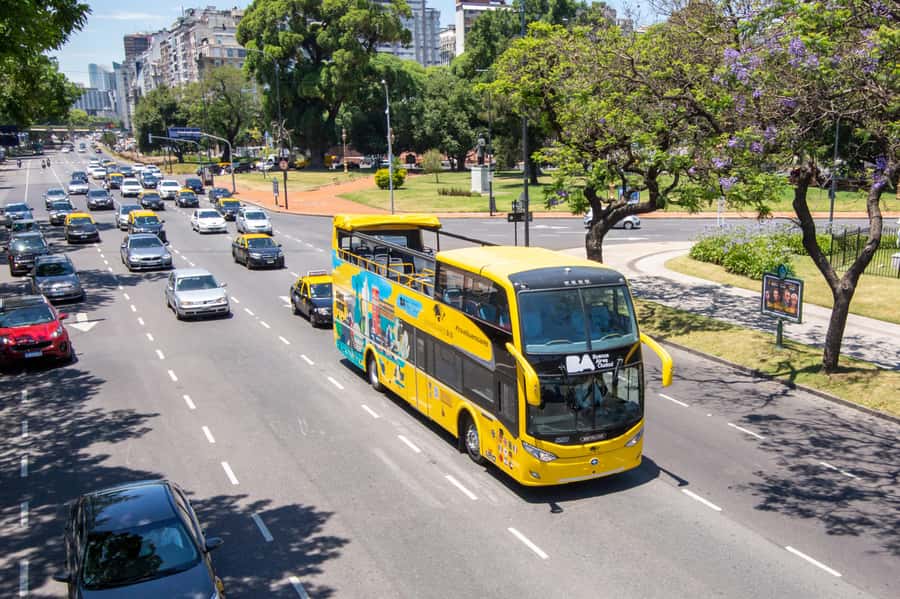
You’ll want to build a small buffer into your day because the process is simple but not automatic. Arrive 15 minutes early, then exchange your voucher at the ticket counter at 466, Córdoba Avenue before you begin. Once you have your new ticket, you can board at any bus stop.
I like this setup because you’re not stuck at one exact boarding point all day. If your plans shift—rain, a detour, a last-minute museum closure—you can still get back on at the closest stop to where you end up.
The hop-on system: 3 hours 20 minutes of riding, plus stops
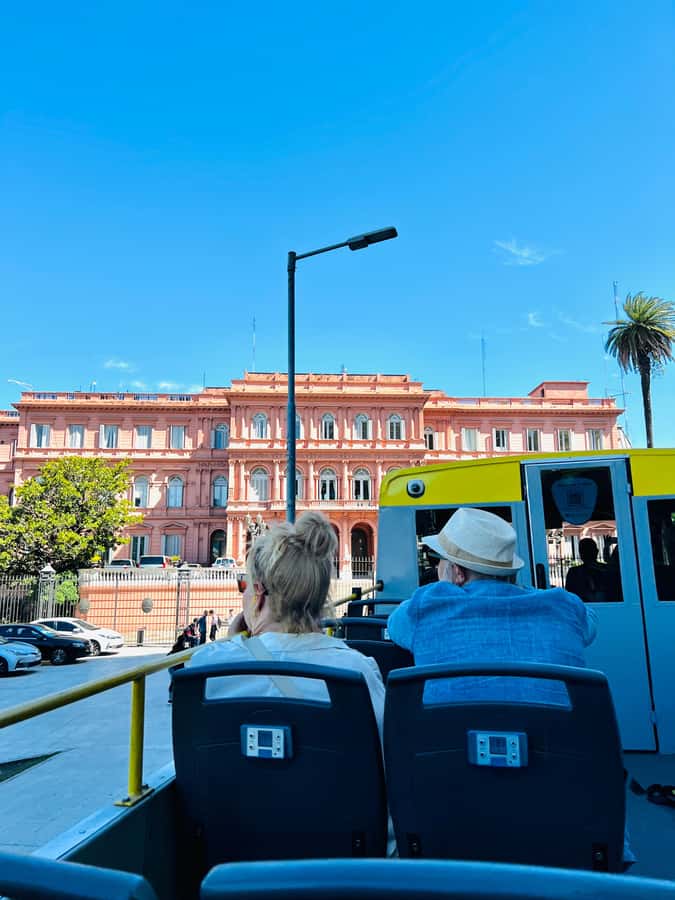
The full route is about 3 hours 20 minutes without stops. That timing matters because the hop-on idea works best when you expect a loop that’s meant to cover many neighborhoods, not a quick “one neighborhood tour” sprint.
Buses run throughout the day roughly every 15 minutes, but traffic, special events, and demonstrations can cause delays. In practice, this means you should treat the loop as a plan, not a stopwatch. If a bus passes when you’re ready to go, great—if not, you usually have options quickly. Online tracking helps you keep an eye on what’s coming next.
Audio guide in 9 languages: helpful context, with a few quirks
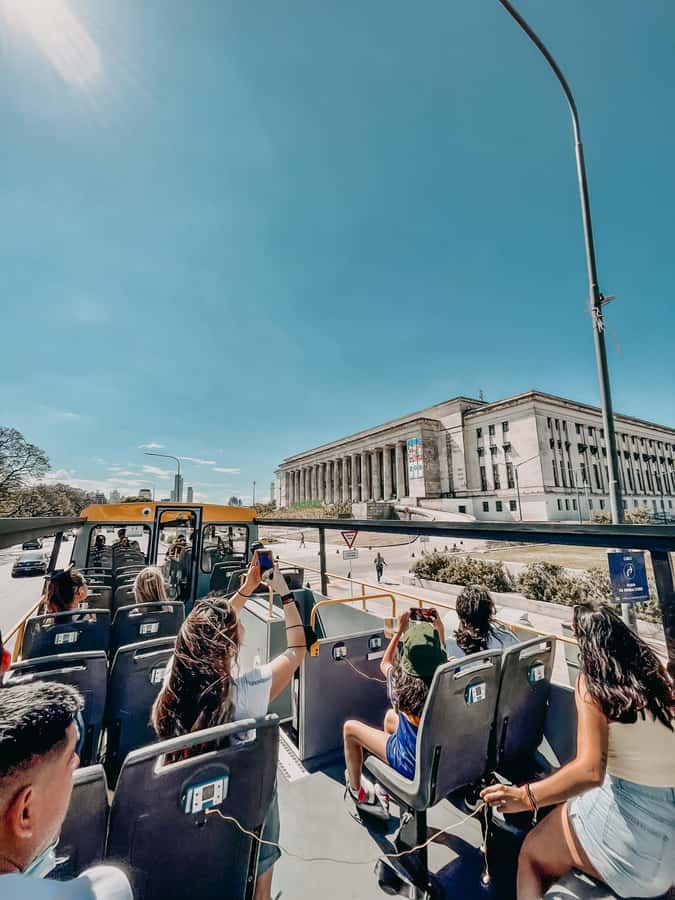
The bus includes an audio guide in 9 languages (Chinese, English, French, German, Italian, Japanese, Portuguese, Russian, Spanish) plus headphones. The goal is clear: you get local context, history, and stories at the stops without needing to follow a guide’s pace.
I’d use it strategically. Listen while you’re traveling between major sights, then turn the volume up when you’re approaching a stop you care about. Some riders have reported audio issues like volume balancing, background music being too loud, or commentary quality changing later in the ride—so be ready to adjust and don’t assume every moment will be perfectly clear.
If English narration is your only option, you might find quality varies by device or signal—so keep expectations realistic and rely on your own eyes for the photos.
Plaza de Mayo, the Obelisk, and Teatro Colón: center-city orientation
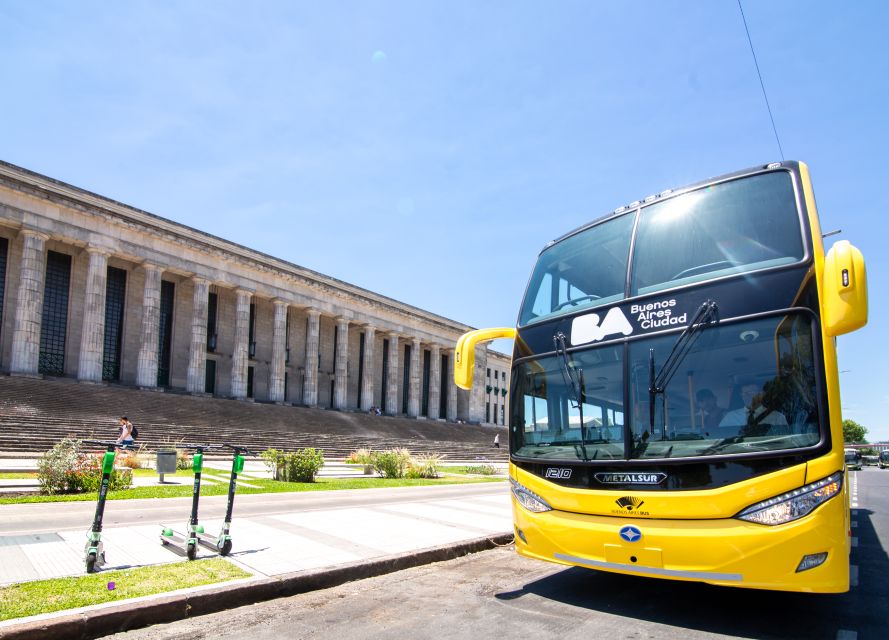
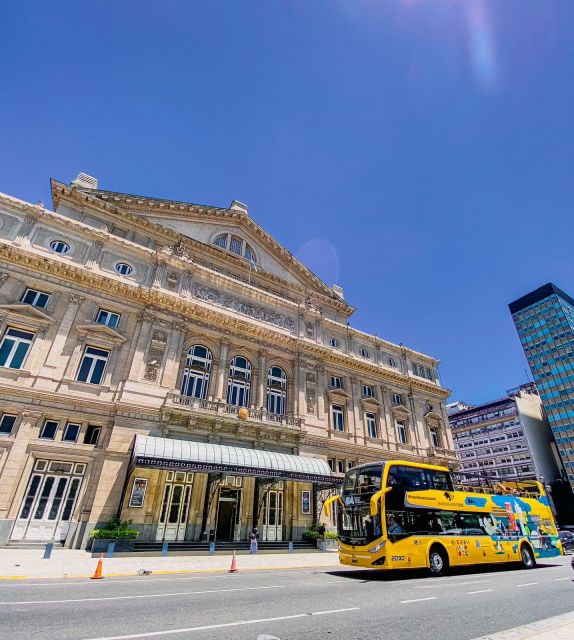
This is where the bus earns its keep. The route is built around Buenos Aires essentials like Plaza de Mayo and the Obelisk, plus major central-area landmarks including Teatro Colón. Even if you don’t get off right away, the ride gives you a clean “map in motion” for how the center is laid out.
If you hop off near the core sights, you’ll be positioned for straightforward walking once you’re on foot. The advantage of doing this by bus is you’re not paying for repeated short rides just to see the main squares and monumental buildings.
A practical trick: do part of the center from the bus first, then get off when you spot the street-level angle you actually want to photograph or explore.
La Boca and Caminito: when the photos start looking easy
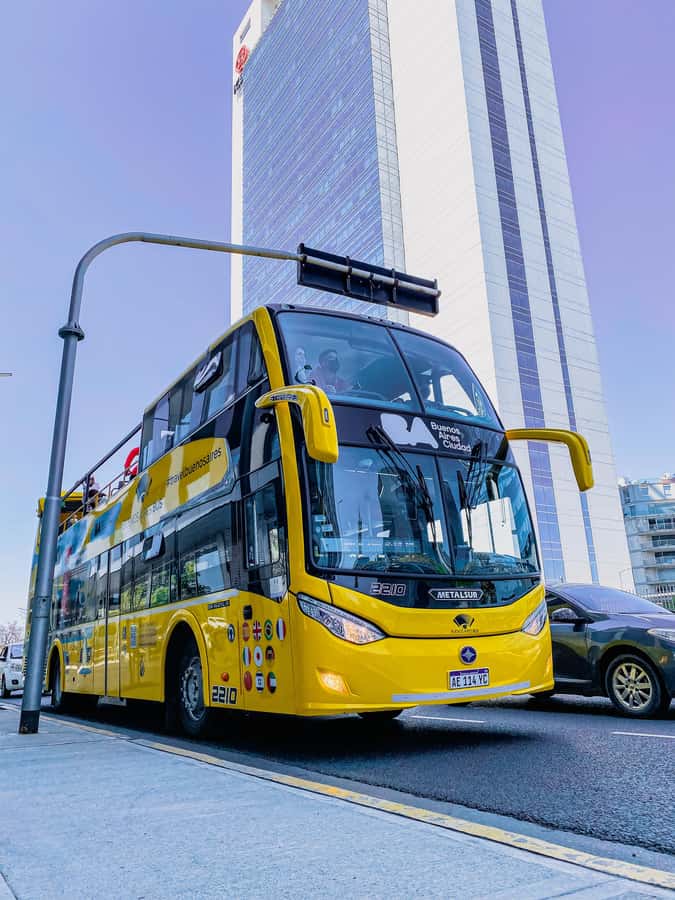
La Boca is the neighborhood most people want to see, and this pass supports that with stops tied to La Boca and Caminito. The bus ride helps you spot where the best-photo streets connect, and it also makes it easier to time your time on foot.
I like using the hop-off approach here: get off, wander, then re-board when you’ve seen the streets you want. The bus makes it easy to avoid the all-day commitment some walking tours force on you.
One note: some bus stops aren’t right at the front door of a sight, so be ready for a walk once you step down. That’s normal for a city this big, but it’s smart to factor it in so you don’t feel rushed.
Recoleta and Puerto Madero: architecture and different moods
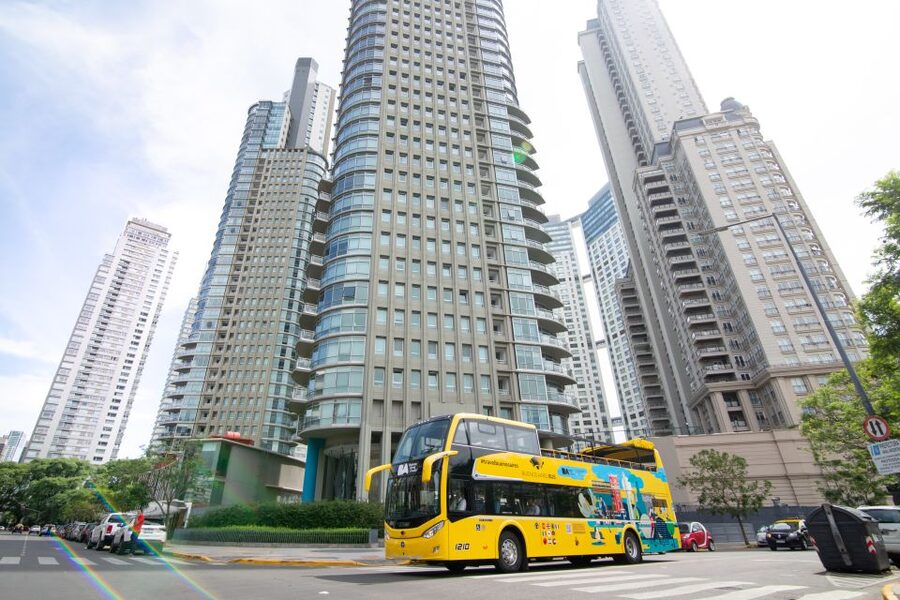
Recoleta and Puerto Madero add contrast to the classic sightseeing mix. Recoleta is the side of Buenos Aires where you’ll want to slow down for architecture and atmosphere. Puerto Madero feels more modern and open, which can be a nice break from tighter streets.
The best way to use this portion of the day is to decide what vibe you want next. If you want calm wandering, hop off for Recoleta and plan more time on foot. If you want views with minimal “where do I go next?” stress, Puerto Madero works well because it’s easier to navigate once you’re there.
Also, if you’re riding later, remember that light changes fast. The bus ride keeps you flexible, so you can time getting off based on what looks best from the window.
Palermo highlights: El Rosedal and Puente de la Mujer
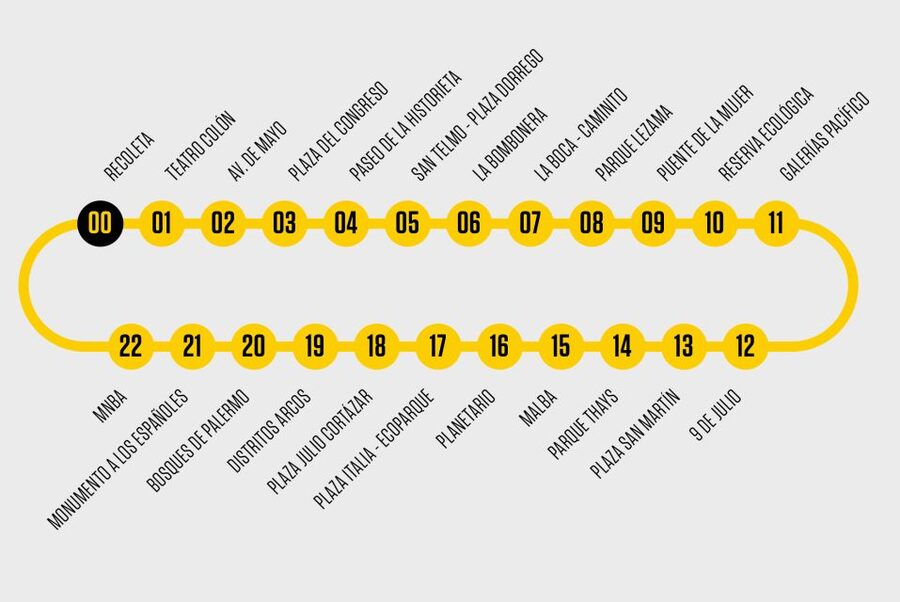
Palermo shows up as a highlight in the ride, including the El Rosedal (Rose Garden) and the Puente de la Mujer (Woman’s Bridge). These are the kinds of sights where the bus window angle can actually help: you can line up shots without sprinting between blocks.
If weather is a factor, you’ll appreciate the option to ride inside with panoramic windows (some buses include this setup). If it’s mild, the top deck view can be great for quick panoramas, but wind can make audio harder—so consider keeping an eye on your headset comfort.
This part of the route is a good time to treat the ride like a visual checklist. When you see a street angle you want to return to later, note it mentally, then hop off during your next “do more walking” phase.
Discounts and benefits: saving a bit when you spend anyway
Your ticket includes exclusive discounts at selected restaurants, shops, and attractions, plus deals tied to categories like clothing and dining. This is one of those “small but real” benefits—especially in Buenos Aires where you’ll naturally spend on meals and souvenirs.
The key is to use your bus day as a planning block. If you see a stop near something you actually want, you’re not just passing by—you might be able to leverage a discount when you get off.
Because the specific offers are selected partners, treat the discounts like a bonus, not a guarantee of major savings everywhere. Still, even a few knocked-down purchases can help justify the pass.
Comfort and crowding: what can slow you down
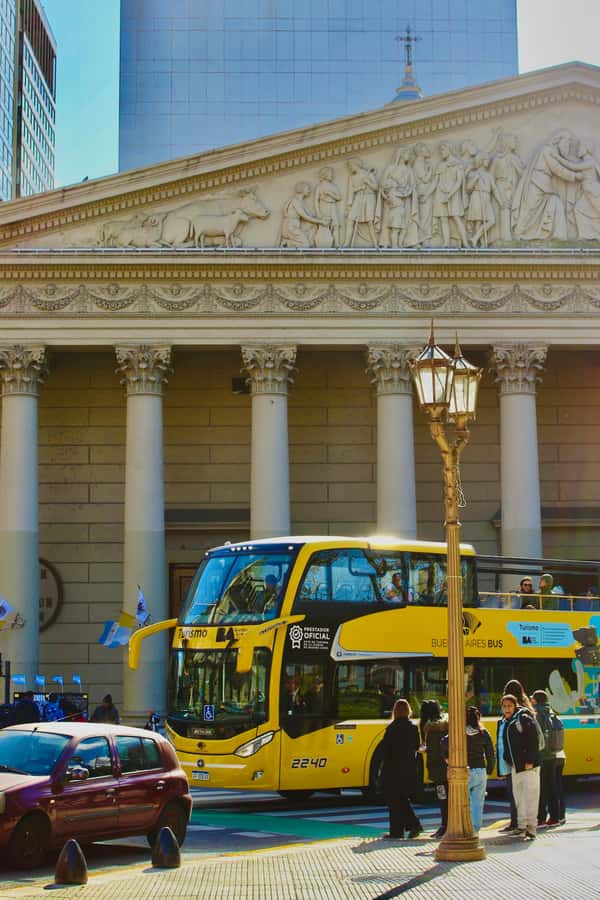
This experience is built for freedom, but Buenos Aires traffic is still Buenos Aires traffic. The schedule is frequent, yet buses can fill up—some riders have reported waiting when earlier buses were full. When that happens, patience pays off because the service does continue.
Buses can also run longer than the “no stops” time, and some stops may require a longer walk to reach the main sight. If you’re trying to cram a lot, you’ll feel it. If you’re doing a relaxed loop—ride, hop off, snack, ride again—you’ll enjoy it more.
Also, audio quality can vary by language and moment. If you care about details, don’t treat the headset like a perfect documentary. Use it for guidance, then confirm with signs and your own eyes.
Who should book, and how to plan 24 vs 48 vs 72 hours
This pass is ideal if you want to get oriented fast in a huge city and then decide where you’ll spend your real time. It’s also a good fit for:
- first-time visitors who want a guided structure without group pressure
- people mixing museums, neighborhoods, and coffee breaks
- anyone trying to limit rideshare or taxi costs
A 24-hour ticket works if you only want one strong loop plus a couple hop-offs. 48 hours gives you enough time to do a full run once, then return to the neighborhoods that felt most worthwhile. 72 hours is best if you like repeating routes for photo light, or if you’re balancing museums that sometimes close or shift schedules.
So, should you book this Buenos Aires hop-on hop-off bus?
If you want an easy, flexible way to see major neighborhoods—center sights like Plaza de Mayo, classic color like La Boca/Caminito, and a mix of Recoleta, Puerto Madero, and Palermo—this is a solid buy for the money. The frequent service helps, the audio guide adds context, and the hop-on design keeps your day from feeling like a forced march.
If you hate walking, need perfect audio every minute, or you’re chasing one exact stop with zero detours, you might get more satisfaction from a more targeted tour. For most people, though, this bus is a smart first move in Buenos Aires.
FAQ
How much does the Buenos Aires hop-on hop-off bus cost?
The price is listed at $35 per person.
What ticket durations are available?
You can choose 24, 48, or 72 hours options, valid for 1 to 3 days depending on the choice.
How often do the buses run?
The buses operate throughout the day at an average frequency of every 15 minutes, though traffic and local events may affect timing.
Where do I meet, and where do I exchange my voucher?
You should arrive about 15 minutes before the activity starts. You must exchange your voucher at the ticket counter at 466, Córdoba Avenue before the tour begins.
How long is the full route?
The full route takes about 3 hours and 20 minutes without stops.
What languages are included on the audio guide?
The audio guide is available in 9 languages: Chinese, English, French, German, Italian, Japanese, Portuguese, Russian, and Spanish.
What’s included with my ticket?
Included items are the bus ticket for your chosen duration, headphones, audio guide, online tracking, and exclusive discounts on selected restaurants and shops.
Are food, drinks, or entrance fees included?
No—food, drinks, and attraction entrance fees are not included.
Are there any rules about smoking, pets, or alcohol on board?
Smoking is not allowed. Pets are not allowed (assistance dogs are allowed). Alcoholic drinks are not allowed in the vehicle.