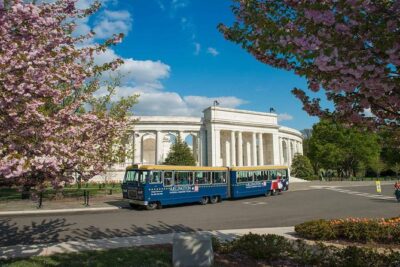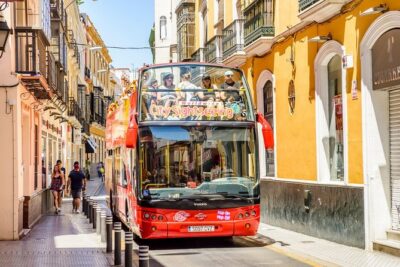
Calgary moves fast, and this 3-hour bus tour helps you get your bearings in one go. You start at Calgary Tower, ride through downtown and key neighborhoods, and get real stories behind the Calgary Stampede, the 1988 Winter Olympics, and the rail era that shaped the city. I especially like the way the route builds in photo opportunities—including viewpoint moments that make your short trip feel like more than three hours.
The main trade-off: the stops are brief. One run’s final stop at Heritage Park Historical Village can feel more like a sales pitch than a true visit, depending on what you hoped to do inside.
In This Review
- Key things to know before you ride
- Starting at Calgary Tower: your easy home base
- Downtown Calgary, City Hall, and Olympic Plaza from the bus
- Telus Spark and Studio Bell: science and arts on the route
- Stampede Park, East Village, and Chinatown’s contrast
- Crescent Hill Peace Bridge: a viewpoint moment that pays off
- Heritage Park Historical Village: a fun stop with a timing catch
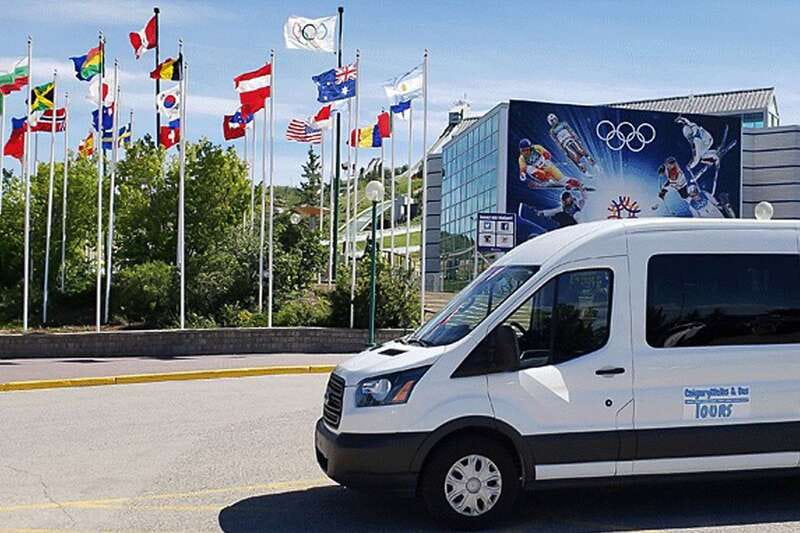
- Canada Olympic Park (WinSport): the 1988 story in real space
- Three brief stops and the photo strategy
- Tour pace, guides, and what makes it feel worth $49
- Comfort rules, kids’ seat requirements, and luggage limits
- Should you book this Calgary bus tour?
- FAQ
- Where is the meeting point?
- How long is the Calgary bus tour?
- How much does it cost?
- How many stops are included for photos?
- What language is the live guide?
- Can I cancel for a full refund?
- Can I reserve now and pay later?
- Is luggage or large bags allowed?
- What are the child age requirements?
- Do children need booster seats or seat belts?
Key things to know before you ride
- Calgary Tower start and finish makes it easy to link this tour with the rest of your day
- Three short stops for photos give you quick breaks without turning this into a whole afternoon
- WinSport’s Canada Olympic Park brings the 1988 Winter Olympics story to physical places, not just trivia
- Neighborhood mix includes downtown, East Village, Chinatown, and shopping areas, even if you only get brief looks
- Local guides bring street-level context to how Stampede and the Olympics fit Calgary’s growth
- Timing can flex due to city traffic, construction, and train crossings, so keep a little breathing room
Starting at Calgary Tower: your easy home base
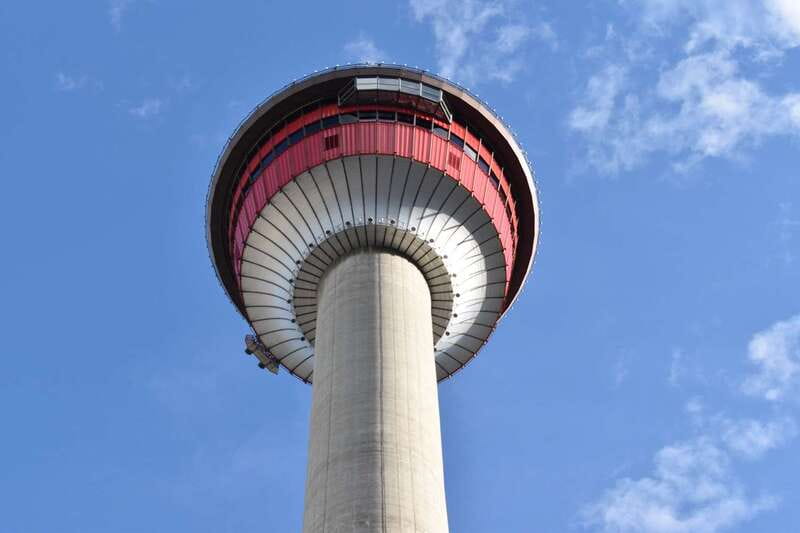
Meet at the base of Calgary Tower at 101 9 Ave SW. If the weather is rough, you meet inside the tower entrance instead. This matters more than it sounds. Calgary can change fast from sunny to windy, and having a landmark meeting point keeps the day from getting complicated.
From there, the tour works like a on-ramp to the city. You’re not just staring out a window. You get an orientation sweep of key areas, so later—when you walk somewhere on your own—you’ll know what you’re looking at. The tower location also makes your wrap-up simple: the tour returns you to the same area at the end.
Downtown Calgary, City Hall, and Olympic Plaza from the bus

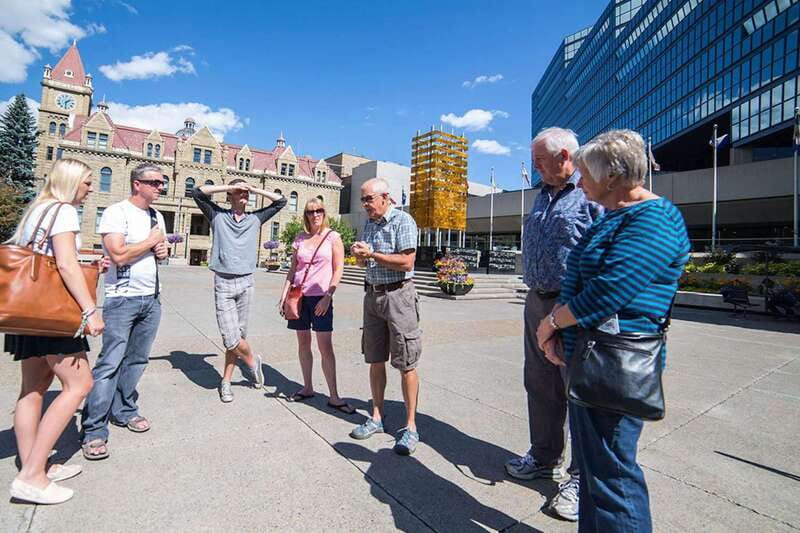
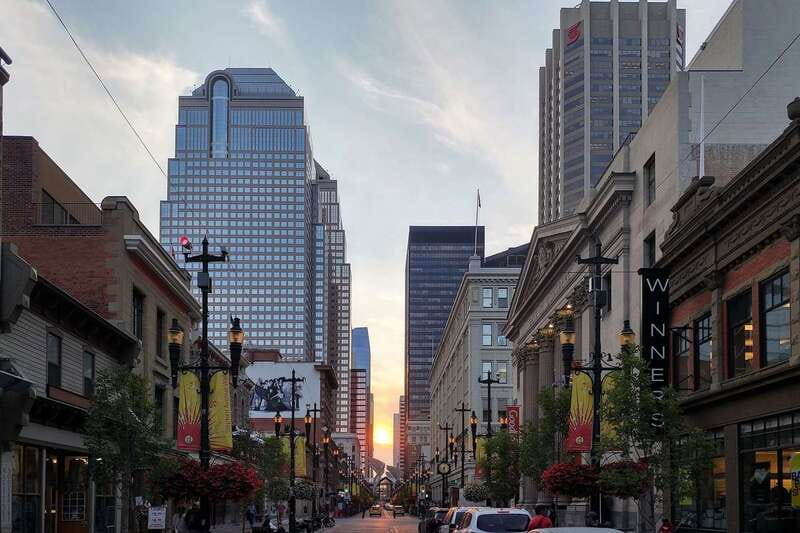
You’ll roll through the civic and downtown core, with stops and picture chances tied to the big-city feel Calgary builds around. Highlights you’ll see in the route include Calgary City Hall and Olympic Plaza, plus the kind of skyline angles that are hard to time on your own.
What I like about doing downtown by bus first is focus. Instead of trying to guess which streets matter, you get guided context. That context helps you read the city later: you understand why certain areas feel official and polished, and why others feel more like working-city Calgary.
Also, bus touring in downtown is practical. Parking can be a hassle. Here, you’re moving with less friction, and you get multiple vantage points in a tight timeline.
Telus Spark and Studio Bell: science and arts on the route
The sightseeing sweep includes Telus Spark and Studio Bell, even if your time with each place is mostly from the road. For many first-timers, seeing them listed as part of the route is a clue: this tour isn’t only about sports and big historical headlines.
If you care about modern Calgary culture, these stops-by-view are useful wayfinding. You learn where things are and what kind of city programming exists beyond the classic attractions. Even a quick glance helps you decide if you’ll come back later for a museum visit or a performance.
Stampede Park, East Village, and Chinatown’s contrast
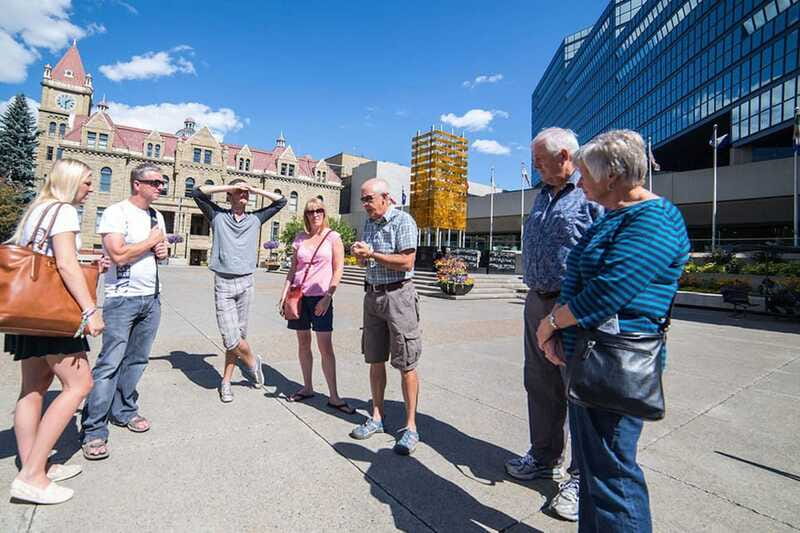
Calgary has a split personality—show-and-glitz energy alongside everyday neighborhoods. The tour taps both sides. You’ll see Stampede Park, plus areas like East Village and shopping areas, and you’ll also pass Chinatown.
The Stampede connection is more than branding. The tour includes stories on how the Stampede became part of Calgary’s identity and how the city learned to market itself to the world. Once you’ve heard that on the bus, the Stampede grounds stop feeling like just a backdrop and start feeling like a hinge in the city’s modern story.
Chinatown gives you a different kind of contrast. You get a sense of history and community in a more compact area, and you can choose whether you want to return for a walk after the tour. The practical win: you leave knowing where that neighborhood is, instead of discovering it by accident later.
Crescent Hill Peace Bridge: a viewpoint moment that pays off
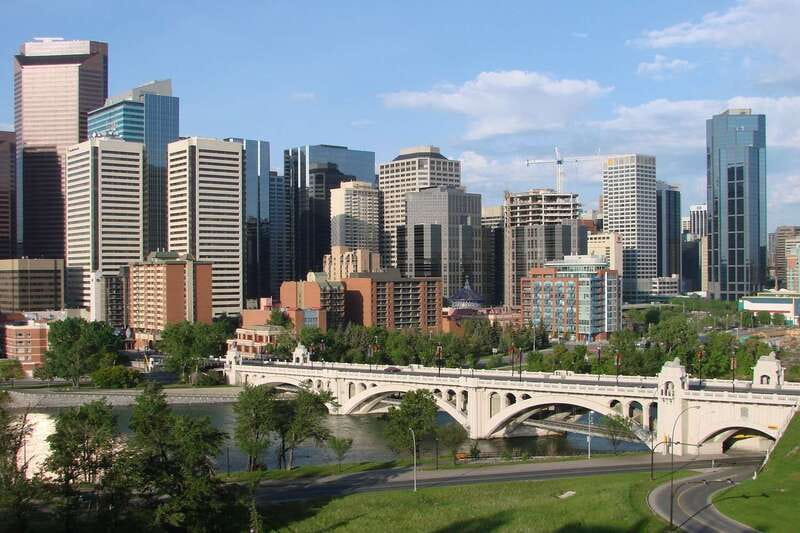
One of the strongest practical features is the viewpoint stop for photos. The route includes Crescent Hill Peace Bridge, and this is the kind of place that benefits from an angle you wouldn’t automatically find.
If you’re traveling with a phone camera, this is worth leaning into. The bridge area helps you frame the river-and-city relationship that defines Calgary’s look. And because you get a short window designed for photo breaks, you’re not stuck standing around wondering if you picked the right spot.
Heritage Park Historical Village: a fun stop with a timing catch
The tour includes Heritage Park Historical Village, and it also includes three brief stops total for photo opportunities. Here’s the catch: the stop can feel short, and the “did we really get to visit?” question comes up. One person flagged that the last stop felt promotional, with limited time to actually enjoy what’s there.
So I’d set your expectation accordingly. This is a quick hit, not a full-day theme-park style visit. If you want to browse buildings for an hour or two, you may need a separate trip later. If you’re mainly after a snapshot of the feel of Alberta’s heritage and a few photos, you’ll likely be happy.
Still, Heritage Park is a strong choice in the itinerary because it connects the “how Calgary grew” story to something you can see. Even with limited time, you get the sense that the city’s past isn’t just a museum label—it’s a physical place.
Canada Olympic Park (WinSport): the 1988 story in real space
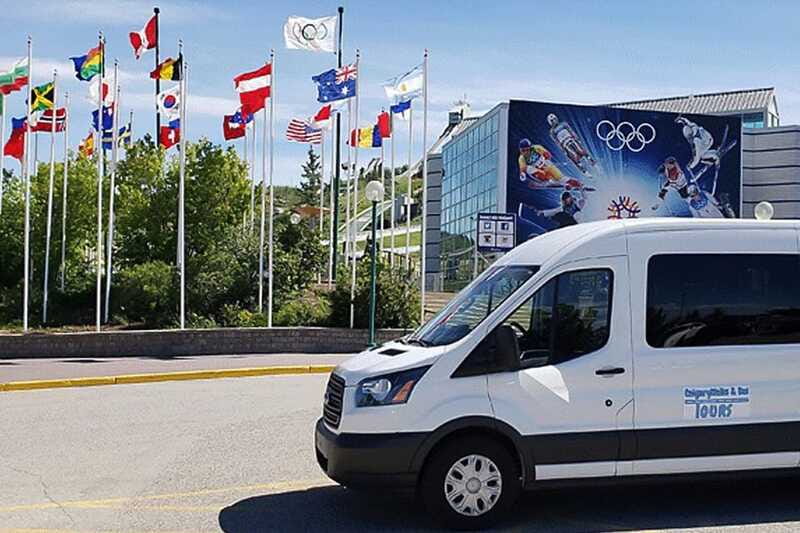
This is one of the best reasons to pick this tour. You’ll head to WinSport’s Canada Olympic Park, with the route designed to connect Calgary’s 1988 Winter Olympics legacy to the actual venues.
I like this approach because it turns sports history into place-based memory. You’re not only hearing about a major event; you’re seeing where that legacy shows up in the city today. And because you get photo time as part of the tour flow, you can capture the setting while the story is fresh.
If you’re on a short schedule, this is the kind of stop that makes your time feel efficient. The Olympics connection is a huge part of why Calgary became a global destination, and this portion helps explain that without turning your day into a lecture.
Three brief stops and the photo strategy
The tour’s design is simple: three short stops built around photo chances and quick breaks. That pacing is a real benefit if you want to see a lot without getting exhausted. It’s also easier for first-time visitors who aren’t sure how long Calgary’s sights will actually take on foot.
Still, I’d plan your mindset like this:
- Expect quick look-and-shoot moments rather than long wandering.
- Use the bus ride for context, then use your stop window for photos and short walks.
- Bring whatever you need for brisk movement between curb and bus.
On road days, timing can also shift. Construction, traffic, and train crossings can add delays. One person described waiting for trains and dealing with city road changes. That’s not unusual in a working city. Your best bet is keeping the rest of your day flexible.
Tour pace, guides, and what makes it feel worth $49
At $49 per person for a 3-hour tour, the value isn’t just the distance covered. It’s the combination of transport plus a local guide who ties landmarks to stories. You’re paying for someone to connect the dots—Stampede, the Olympics, and Calgary’s rail-and-growth background—while you ride in a comfortable vehicle.
The guides are often a big part of why people leave happy. In the experience I’m using to judge this tour, names like Adelaide, Adam, Adele, Jen, Judy, and Margo show up as the kind of narrators who stay clear, organized, and friendly. Many people highlight that the tour doesn’t drag, and the commentary keeps its pace with the route.
If you want a “first-day orientation” effect, this is a solid buy. You’ll likely know where to return later: the places that deserve a longer visit will become obvious after you’ve been shown the city’s main threads.
Comfort rules, kids’ seat requirements, and luggage limits
This tour has straightforward rules that can affect your day. Some items you should know upfront:
- No large bags or luggage are allowed.
- Food isn’t allowed in the vehicle.
- Mobility scooters aren’t allowed, and the tour isn’t recommended for people with extensive mobility issues.
- Audio recording isn’t allowed.
For families, the child rules are very specific:
- Children 5 and up are welcome, but children under 5 aren’t suitable.
- If a child is under 145 cm (4’9”) and/or under 18 kg (40 lbs), you must provide a booster seat.
- Children aged 5 to 15 (or those over 18 kg / 40 lbs depending on how the rule is applied) must be able to wear a seat belt, and booster seats are required when the child doesn’t meet the size/weight minimums.
- If requirements aren’t met, the provider can refuse access.
If you’re traveling with kids, this is worth double-checking before you show up. Bring the booster seat if there’s any chance your child fits that cutoff.
Should you book this Calgary bus tour?
I’d book it if you want a fast, guided overview of Calgary’s big moments and big landmarks—especially if you’re short on time. The combo of downtown orientation, Olympic Park, and photo breaks at meaningful places is a smart way to get oriented without building an itinerary from scratch.
I’d think twice if you’re hoping for long time inside Heritage Park Historical Village or you need mobility-friendly logistics beyond a typical short walking break. Also, if you’re very sensitive to timing, remember the route can be affected by traffic, construction, and train delays.
If you want a practical plan for your visit, this tour can do one job extremely well: it helps you pick where to spend your energy after you understand the city’s main map.
FAQ
Where is the meeting point?
Meet at the base of Calgary Tower at 101 9 Ave SW, Calgary, AB T2P 1J9. If weather is bad, you meet inside the tower entrance.
How long is the Calgary bus tour?
The tour runs for 3 hours.
How much does it cost?
The price is $49 per person.
How many stops are included for photos?
The tour includes 3 brief stops, designed to give you photo opportunities and extra time at the sights.
What language is the live guide?
The live tour guide provides commentary in English.
Can I cancel for a full refund?
Yes. You can cancel up to 24 hours in advance for a full refund.
Can I reserve now and pay later?
Yes. The option to reserve now and pay later is available.
Is luggage or large bags allowed?
No. Luggage or large bags are not allowed.
What are the child age requirements?
Children under 5 years are not suitable. Children 5 and up are welcome, with the ticket rules applying to ages 5–15.
Do children need booster seats or seat belts?
Yes. Every child must be placed in a seat and wear a seatbelt. If a child is under 145 cm (4’9”) tall and/or under 18 kg (40 lbs), you must provide a booster seat.