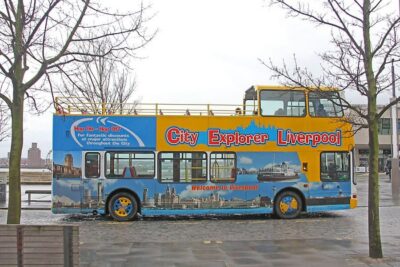
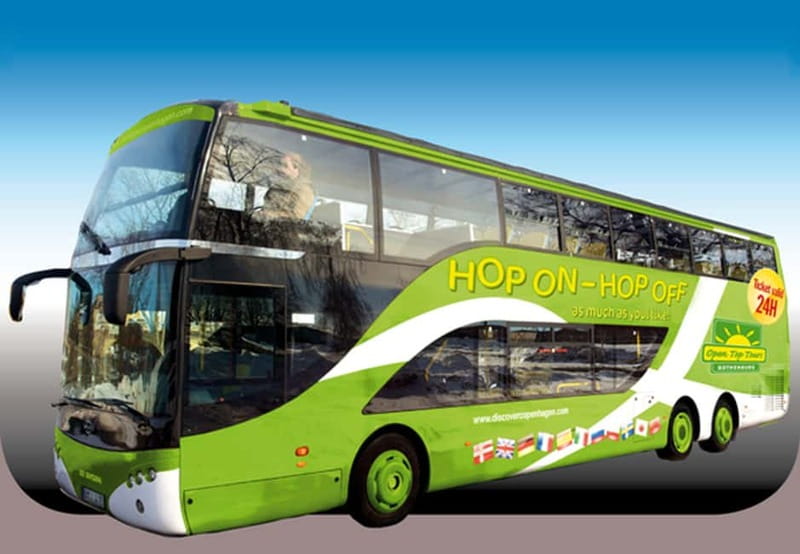
Gothenburg from the top is an easy win. This 24-hour hop-on hop-off bus ticket gives you eight key stops around town, plus a multi-language audio guide that keeps the ride useful even when you’re just watching the city roll by. The buses are comfortable double-deckers, and you can ride, hop off, and come back without wrestling with schedules like a timed tour.
What I like most is the flexibility and the ride experience. You get a full circuit that’s long enough to orient you fast, then you can choose when to walk, shop, or pause for views. One consideration: in some periods the bus can feel slow between departures, so you may end up waiting if you hop off and try to catch the next ride immediately.
In This Review
- Key points before you get on
- Why this 24-hour hop-on hop-off works in Gothenburg
- Price and value: is $38 a good deal?
- The eight stops: where you should hop (and what to watch for)
- Kungsportsplatsen / Stora Teatern: your launch point
- Järntorget: handy for strolling breaks
- Slottskogen: a breather from city pace
- Haga: neighborhood time
- Valand / Avenyn: for people, street energy, and easy transit
- Götaplatsen: a strong sightseeing anchor
- Drottningtorget: another central reset point
- Brunnsparken / Lejontrappan: finish with views
- Comfort and audio: the details that make the ride feel worth it
- Wheelchair access and strollers: how it’s set up
- Weather reality: the roof feature is the unsung hero
- Timetable realities in 2026: when waiting can be part of the deal
- Who this ticket fits best
- Should you book the Gothenburg 24-hour hop-on hop-off?
- FAQ
- How long is the ticket valid?
- How long is the bus ride if I do not hop on or off?
- About how long is the full loop if I stay on the bus?
- How many stops are included on the route?
- Where do buses depart from?
- What languages are available for the audio guide?
- Is the bus wheelchair accessible?
- Are restrooms or a cafeteria available on board?
- What happens if the weather is bad?
- Is free cancellation available?
Key points before you get on
- 24-hour ticket means you can pace your own day and re-board as you like
- Eight stops cover big-name areas like Avenyn, Haga, and the waterfront zone at Brunnsparken/Lejontrappan
- About a one-hour loop gives quick city context without a whole afternoon commitment
- Audio guide in 6 languages (English, German, Spanish, French, Italian, Swedish)
- Quick weather cover helps when rain or wind shows up
- No restroom on board so plan bathroom breaks during your hop-off time
Why this 24-hour hop-on hop-off works in Gothenburg
Gothenburg is a city where it’s easy to waste time. One tram transfer turns into two, and suddenly your day is gone. This ticket helps you avoid that trap by giving you a simple backbone: you ride the double-decker, then you choose your walking bits.
The big idea is not speed. It’s control. With a 24-hour ticket, you can do one good loop to learn the map, then spend the rest of the day hopping where you feel like it. That’s a rare win in cities where weather, energy levels, and opening hours all change the best plan.
Another plus is how the bus tour sets you up for self-guided exploration. If you’re the type who likes to decide on the street, you’ll appreciate the structure: a known route, known stops, and an audio guide that helps you connect what you see with what it means.
Price and value: is $38 a good deal?

At $38 per person, this isn’t a “cheap and forget it” add-on. You should think of it as a way to buy time and simplify decisions.
Here’s what you’re paying for, in practical terms:
- A ticket that lasts 24 hours, so it’s not tied to one short ride
- Eight stops across major sights, so you’re not relying on long walks just to get oriented
- A tour loop that takes about one hour with the full circuit, and 50 minutes for the ride itself when you don’t hop on and off
- An audio guide in six languages, which makes the experience work even if you don’t read Swedish signage
Also, the bus is open-air in spirit, but practical in reality. When conditions turn, the protective roof can be mounted quickly, so your “window time” doesn’t vanish the moment clouds move in.
This is best value if you’re planning at least a couple hop-offs. If you’re only going to stay seated for one quick loop and then disappear, the price might feel less satisfying.
The eight stops: where you should hop (and what to watch for)

You’ve got eight stops on the route:
1) Kungsportsplatsen / Stora Teatern
2) Järntorget
3) Slottskogen
4) Haga
5) Valand / Avenyn
6) Götaplatsen
7) Drottningtorget
8) Brunnsparken / Lejontrappan
What’s great is that the order gives you a logical flow: central sightseeing, then greener or neighborhood-style areas, then back through the city core.
A smart approach is to do this like a scouting trip. Ride the whole loop once, then hop off where you want more time. Don’t over-schedule hop-offs, because the buses are not instant shuttles.
Kungsportsplatsen / Stora Teatern: your launch point
This is the easiest place to start, since departures go from Stora teatern and other stops along the line. If you want an efficient first hour, staying near the center for your first hops helps you build momentum right away. It’s also a good stop to return to when you’re re-gathering the day.
Tip: if it’s windy or cold, start here and plan to ride up top first. The double-decker views are the main reason this ticket feels worth it.
Järntorget: handy for strolling breaks
Järntorget is another central stop, so it’s well-suited for short, on-foot exploring. If you want to browse streets, pop into a museum, or grab coffee, this kind of middle-of-route stop is made for “one-hour decisions.”
Practical drawback: if you hop off and the bus gap is long during your time window, you could lose time waiting. So keep your hop-offs short if the schedule is spaced out.
Slottskogen: a breather from city pace
Slottskogen is the route’s “slow down” stop. A park stop is exactly what you want if Gothenburg weather turns pleasant or you just need a break from busy streets.
What to do here: think walking, viewpoint pauses, and resetting your energy. This is a stop for casual time, not a hard deadline.
Haga: neighborhood time
Haga is one of the stops that changes the feel of the day. It’s a neighborhood-style area stop, so it works best when you want to wander rather than rush.
A good plan: hop here after you’ve already done part of the loop, so you’re not using your best walking hours waiting at stops.
Valand / Avenyn: for people, street energy, and easy transit
Avenyn and Valand are the names to remember if you want the most “city streets” part of the route. This is where you’ll likely spend time walking and window-shopping. It also helps you connect to other sights without having to figure out multiple transport lines.
Photo tip: sit upstairs for this stretch. The route is built to give you good views while you pass key areas.
Götaplatsen: a strong sightseeing anchor
Götaplatsen sits right in the middle of the route’s sightseeing plan. Think of it as a “go-to” stop if you want a more structured, big-area feel in your self-guided time.
If you’re the type who likes to see a variety of Gothenburg in one day, Götaplatsen is one of the stops that supports that goal.
Drottningtorget: another central reset point
Drottningtorget is another core stop, useful when you want to keep your day flexible. It’s also a sensible choice if you’re trying to sync your bus time with opening hours for whatever you pick next.
When the waiting time between buses feels long, central stops help because there’s usually plenty to do within walking distance.
Brunnsparken / Lejontrappan: finish with views
This is the stop that pairs nicely with a “stay a bit longer” mindset. The name itself points to a waterfront/overlook style area, which is exactly where you’ll want your eyes more than your feet.
If you can, time this toward late afternoon when skies are better or light looks softer. Even if it’s not perfect weather, the bus roof option helps you stay comfortable getting around.
Comfort and audio: the details that make the ride feel worth it
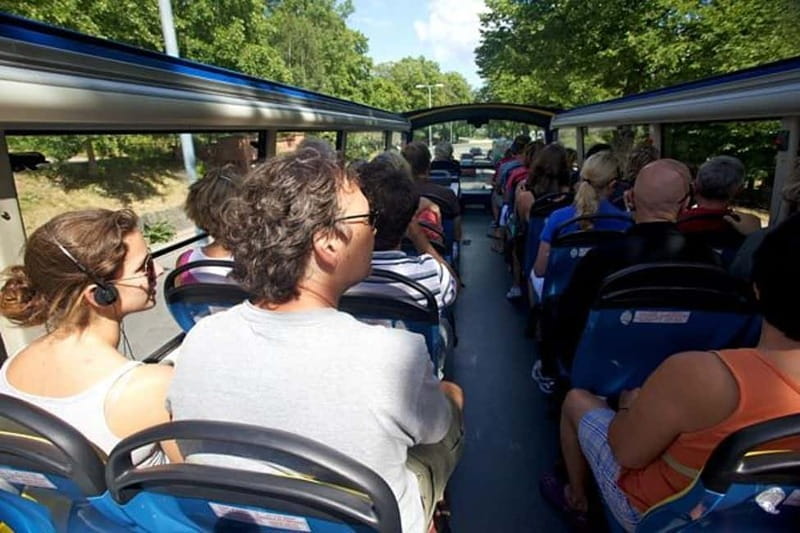
The buses are double-deckers with strong visibility from both levels. That’s the real value of an open-top style hop-on hop-off: you’re not stuck staring at windows.
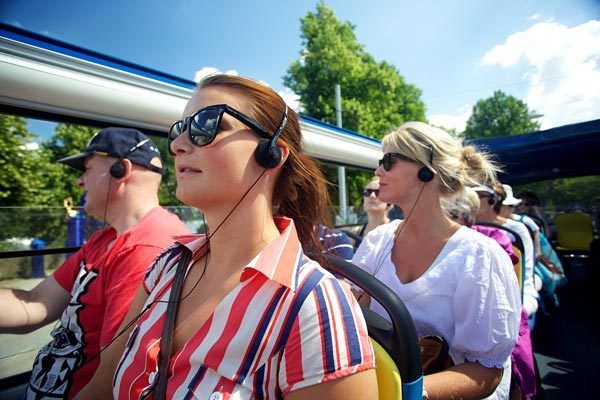
The audio guide is available in six languages: English, German, Spanish, French, Italian, and Swedish. One booking in German called out the German track as good, and that the buses were on time. That’s a useful sign: the audio isn’t just translated, it’s functioning well enough to guide your attention.
Still, this is an audio guide, not a deep-dive app. One experience critique pointed out that it felt like a coarse overview and that you couldn’t easily go back later for extra detail. Another person wished for smartphone use with their own Bluetooth headphones and a more interactive map in an app you could keep using.
So here’s the practical takeaway:
- If you want simple, guided context while you ride, you’ll likely be happy.
- If you want a self-guided, interactive experience you can reopen later, bring a city map app you trust.
Also note what you don’t get: there are no restrooms or cafeteria on the bus. Plan bathroom stops during hop-offs, especially if you’re riding for multiple segments.
Wheelchair access and strollers: how it’s set up
This tour is wheelchair accessible. Most buses have a wheelchair ramp, and each bus has one designated space where you can secure your wheelchair and connect headphones to follow the guided tour. If you can transfer to a regular seat, there’s also room to store a foldable wheelchair.
Strollers can be brought on board as long as there’s available space. So if you’re traveling with kids and a compact stroller, keep your boarding timing calm and give the driver room to manage the lift-on space.
Weather reality: the roof feature is the unsung hero
A lot of hop-on hop-off bus plans fall apart in real weather. Here, the protective roof can be mounted quickly, keeping your ride comfortable when rain or wind starts.
That matters because it lets you stick to your plan even when the forecast looks worse than you hoped. If your day is flexible, you can just keep using the bus as your moving base until the weather improves.
Timetable realities in 2026: when waiting can be part of the deal
The schedule changes by season, so your “how often does it come” depends on your travel dates.
For example:
- April 3–26 (Saturdays–Sundays): departures listed from Stop 1 at 10:30, 11:30, 13:15, 14:15
- May 1–31 (Fridays–Sundays): same departure pattern from Stop 1
- June 1–30 (daily): listed departures from Stop 1 at 10:30, 11:30, 13:15, 14:15
- July 1–Aug 16 (daily): every 30 minutes between 10:00–12:30, and then every 30 minutes between 13:45–16:45
- Aug 17–31 (daily): every 30 minutes between 10:00–12:00, then hourly between 13:15–16:15
- Sept 4–27 (Fridays–Sundays): same pattern as April
- Oct 3–Nov 1 (Saturdays–Sundays): same pattern as April
A booking critique summed it up well: if you’re traveling during periods when buses are spaced about an hour apart, you can lose time waiting. That doesn’t mean the bus is bad. It means you should hop with intention and not treat every stop like it’s a five-minute shuttle.
Who this ticket fits best
You’ll likely love this ticket if:
- You want an easy way to get your bearings in Gothenburg
- You prefer self-guided walking after a quick orientation
- You like flexibility across a full day, not just a single fixed departure
- You need multi-language audio to make the ride feel informative
You might skip it (or pair it with other plans) if:
- You only want one short ride and won’t hop off more than once
- You dislike waiting between buses
- You prefer interactive maps you can keep using beyond the ride itself
It’s also a solid choice for families, since strollers are allowed with space limits and the route stops are straightforward.
Should you book the Gothenburg 24-hour hop-on hop-off?
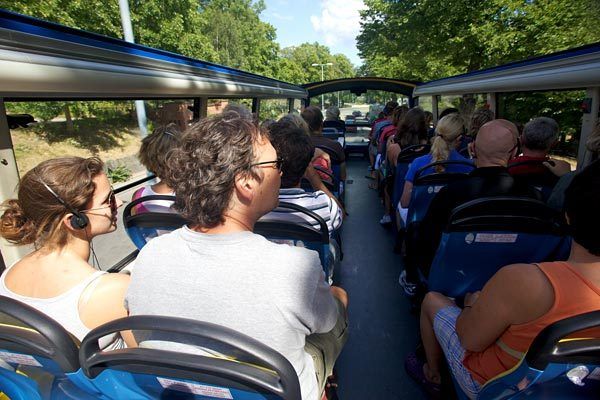
Book it if you want a simple, weather-tolerant way to connect eight major Gothenburg stop areas within one day. The combination of 24-hour flexibility, double-decker views, and audio in six languages is exactly what turns a bus ride into useful orientation time.
Think twice if your travel style is super time-specific. The schedule can stretch between departures, especially outside the busiest summer windows. In those hours, you’ll get more value if you plan hop-offs that include actual time on foot, not just quick stop-and-go.
Bottom line: for most people, this ticket is a practical way to see more of Gothenburg with less stress.
FAQ
How long is the ticket valid?
The ticket is valid for 24 hours.
How long is the bus ride if I do not hop on or off?
The tour takes 50 minutes without hopping on or off.
About how long is the full loop if I stay on the bus?
The full loop takes about one hour and gives you an overview of Gothenburg’s history, culture, and architecture.
How many stops are included on the route?
There are eight stops along the route.
Where do buses depart from?
Departures are from Stora teater and seven other stops along the route.
What languages are available for the audio guide?
The audio guide is available in English, German, Spanish, French, Italian, and Swedish.
Is the bus wheelchair accessible?
Yes. Many buses have a wheelchair ramp and one designated wheelchair space. Headphones can be connected in that space.
Are restrooms or a cafeteria available on board?
No. There are no restrooms or cafeteria on the bus.
What happens if the weather is bad?
A protective roof can be mounted quickly to keep the ride comfortable.
Is free cancellation available?
Yes. You can cancel up to 24 hours in advance for a full refund.