Hamburg is easy when you can hop on and off. This Line F bus tour helps you stitch together the harbor, the Reeperbahn area, and the city sights at your own pace, with a ride-by-ride audio system and multilingual listening. I like that it covers major neighborhoods in one loop (not just one highlight), and I also like the mix of sightseeing types: waterfront views, big landmarks, and shopping stops. The main drawback to plan for is simple logistics: if a bus is delayed or you hit a long gap at your stop, you may need a backup plan like local transit.
What makes it especially workable is the flexibility. You can ride, hop off to explore, and get back on later without rushing, plus you get live German commentary and audio in several other languages. One consideration: there are also moments where the audio can be imperfect depending on the day, so it’s smart to test your headphones as soon as you board and be ready to adjust if sound cuts out.
In This Review
- Key points before you ride
- Price and what you actually get for $24
- Route overview: how Line F lays out Hamburg
- Stop-by-stop guide: where to hop and what each area feels like
- 1) Kirchenallee/Central Station (start point): set your day up right
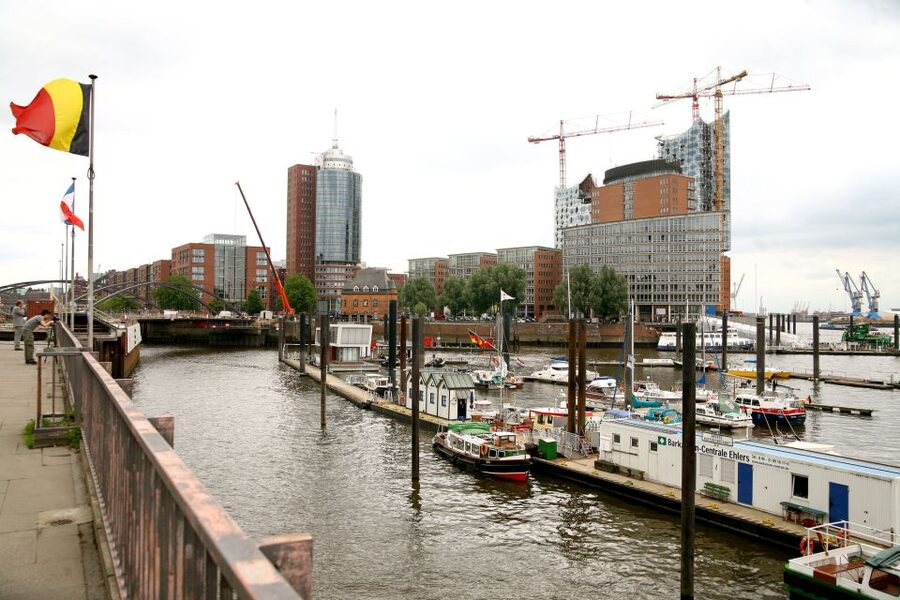
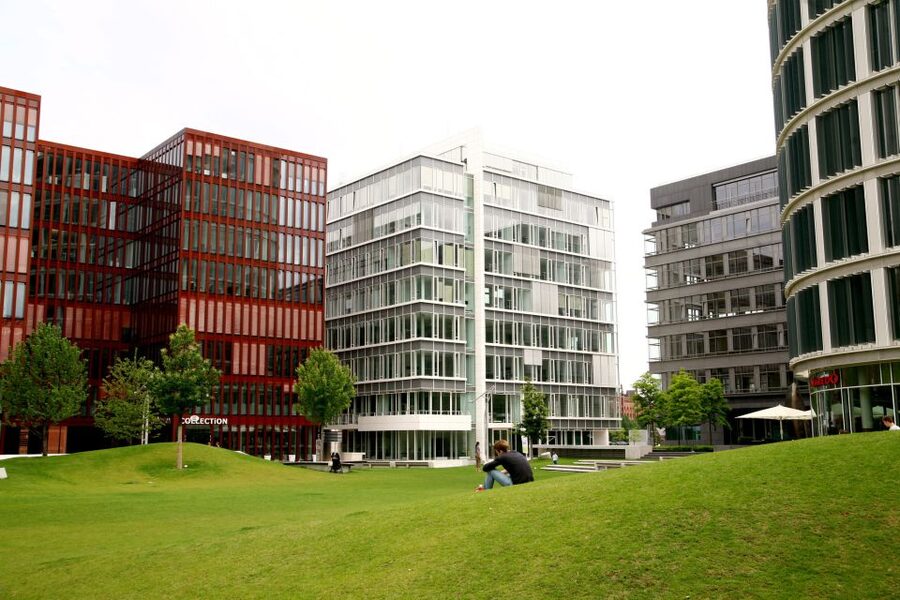
- 2) Marco Polo Terraces/HafenCity: modern HafenCity with old-dock vibes
- 3) Kehrwiederspitze (historic warehouse district): where maritime Hamburg shows up
- 4) St. Pauli Piers (Bridge 205): waterfront energy and the Hard Rock stop
- 5) Reeperbahn: the street that puts Hamburg on the map
- 6) St. Pauli Piers (Bridge 207): back to the docks
- 7) St. Michaelis Church (Michel): the skyline payoff
- 8) City Hall/Reesendamm and City Hall side: central Hamburg and shopping time
- 9) Gänsemarkt: a stop you may skip
- 10) Gerhardt Hauptmann Square and Holzdamm/Hotel Atlantic: in-between landmarks
- 11) Beautiful View/Outer Alster and Alsterperle Hotel: slow down for the water
- Audio, live guide, and the reality of onboard sound
- Time strategy: how to build a great day without sprinting
- What’s included, what isn’t, and how that affects your plan
- Who this tour fits best
- Should you book Hamburg Line F?
- FAQ
- What is the duration of the Hamburg Hop-On Hop-Off Bus City Tour Line F?
- How much does the tour cost?
- What does the ticket include?
- Are there live and audio guides, and in which languages?
- Where do the buses depart in summer and winter?
- Can I hop off and get back on later?
- Is a harbor tour included?
- Is the bus wheelchair accessible?
Key points before you ride
- Line F connects harbor culture to nightlife streets in one day loop, so you do less backtracking.
- Hop-on hop-off means you control timing, from quick photos to longer breaks.
- St. Michaelis (Michel) is a standout target for skyline views, so plan time for the climb.
- Outer Alster and the Alster River area give you a calmer break from the crowds.
- City Hall Market and Jungfernstieg bring you straight into Hamburg shopping and central-city energy.
- Sound depends on the bus setup, so don’t assume every headphone jack or mic will be perfect.
Price and what you actually get for $24
At about $24 per person for a 1-day ticket, this hop-on hop-off tour sits in the “value” zone if your goal is variety. You’re not just buying a bus ride; you’re buying a navigation tool for a large city with a structured route.
Here’s the deal: Hamburg is spread out, and on a tight schedule you don’t want to spend your day crossing town by taxi or guessing which stop is closest to what you want. With this ticket, you can pick a few anchor sights and fill the rest with “nice-to-see” stops. That control is the real value, especially if your group has different interests.
One more pricing reality: the ticket doesn’t include a harbor tour. If you want a separate boat trip, you’ll need to add it on your own. That doesn’t make the bus less useful, but it does help you set expectations.
Route overview: how Line F lays out Hamburg

Line F starts near major transport hubs and works through a classic “harbor to center to Alster” arc.
Buses run from the Hauptbahnhof/Kirchenallee stops and also from Landungsbrücken. In summer (April–October), departures are every hour between 9:45 AM and 4:45 PM from Hauptbahnhof/Kirchenallee, and between 10:01 AM and 5:01 PM from Landungsbrücken. In winter (November–March), the same “every hour” rhythm continues, but the end times are earlier: until 3:45 PM from Hauptbahnhof/Kirchenallee and until 4:01 PM from Landungsbrücken.
This matters because hop-on hop-off works best when you’re using the schedule as a rhythm, not as a guarantee. If you want to see something that takes time (like climbing Michel), give yourself buffer so you can return to the bus before the next long wait.
Stop-by-stop guide: where to hop and what each area feels like
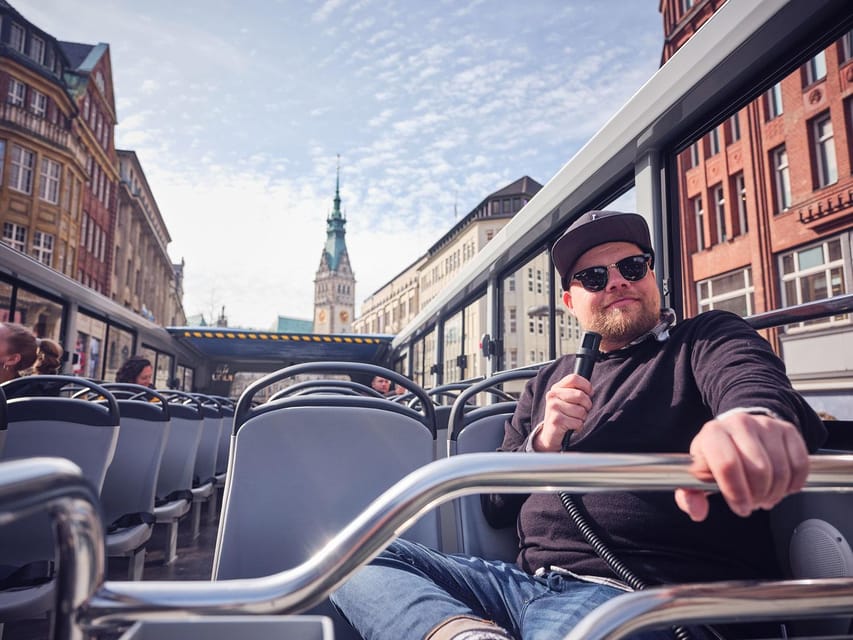
Below is how I’d plan the loop if you want a mix of iconic Hamburg and breaks that don’t feel like rushing.
1) Kirchenallee/Central Station (start point): set your day up right
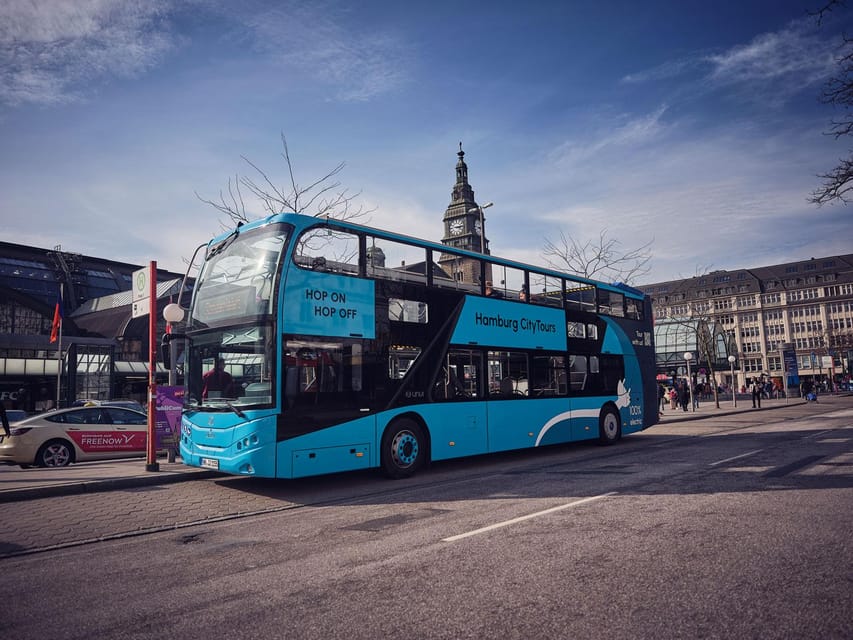
Getting on at Kirchenallee/Central Station is convenient because it’s a true hub. Even if you’re staying elsewhere, this stop often makes your life easier for starting early and keeping your day simple.
Tip: treat this first stretch as orientation. Ride past the harbor-facing areas even before you hop off, so later you understand where you are in the city.
2) Marco Polo Terraces/HafenCity: modern HafenCity with old-dock vibes
At Marco Polo Terraces/HafenCity, you’re entering Hamburg’s redeveloped waterfront. This is where the city shows its “new face” while still feeling tied to maritime life.
You’ll also be near the general HafenCity area tied to the historic warehouse district theme of the route. If you like architecture and city planning, this is a good early stop to photograph and orient yourself.
One drawback: if you’re mostly after classic old streets, you might find parts of HafenCity feel more designed than historic. Still, the waterfront views and sightlines are worth it.
3) Kehrwiederspitze (historic warehouse district): where maritime Hamburg shows up
Kehrwiederspitze is your gateway to the historic warehouse district atmosphere. This is the part of the route that leans hardest into the port story.
It’s also a strong area for a longer “get off and wander” block because you can combine stops of interest. The overall vibe here is practical and maritime: docks, old industrial textures, and that feeling of being close to where the city’s trade used to run.
If you’re into hands-on mini-scale sights, you’ll also encounter the kind of attractions that people associate with the harbor district, including the Miniatur Wunderland model railway area.
4) St. Pauli Piers (Bridge 205): waterfront energy and the Hard Rock stop
At St. Pauli Piers (Bridge 205), you’re in the harbor-meets-entertainment zone. This is where the city starts to feel more colorful and busy.
A clear reason to hop here is access to St. Pauli Piers and the chance to connect with the Hard Rock Café area if that’s on your wish list. Even if you don’t go inside, the waterfront walk tends to give you a different angle on Hamburg than the inland stops.
Practical note: waterfront stops can be windy and cold, especially outside peak summer weather. Plan for that if you’re traveling in winter.
5) Reeperbahn: the street that puts Hamburg on the map
The bus then reaches the Reeperbahn zone. This is a well-known nightlife area, and the bus makes it easy to pass through without you needing to figure out the streets on your own.
If you want to see the city’s fun side without committing to a full night out, get off for an hour or two for photos, people-watching, and street-level perspective. If you’d rather keep it quieter, you can stay on the bus and just use it as a window ride.
6) St. Pauli Piers (Bridge 207): back to the docks
Another St. Pauli Piers stop (Bridge 207) gives you a second chance to hop off. This is helpful if you didn’t have enough time at Bridge 205 or if you want to walk between pier viewpoints.
The advantage here is flexibility: you can treat the Reeperbahn hop as optional, then return to the piers for the maritime views when it fits your energy level.
7) St. Michaelis Church (Michel): the skyline payoff
Now for a big one: St. Michaelis Church (Michel). This stop is a major reason to build time into your day, because Michel is famous for the view from above.
If your feet are fresh, consider hopping off here even if you’re not planning a long stop elsewhere. This is the kind of sight that can make the whole day feel like money well spent because it changes how you understand Hamburg’s layout.
If the weather isn’t great (fog, rain, strong wind), don’t assume the view will be spectacular. But even then, Michel tends to be a meaningful landmark.
8) City Hall/Reesendamm and City Hall side: central Hamburg and shopping time
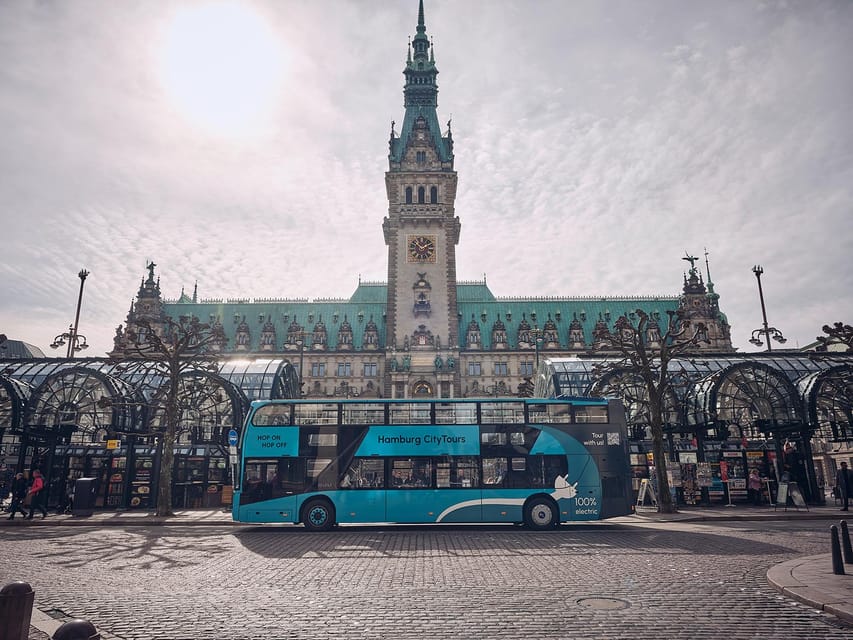
The route hits the City Hall (Rathaus) area from two angles: Reesendamm across from City Hall and later City Hall/Reesendamm, City Hall side.
This is ideal if you want a mix of architecture and everyday energy. It also lines up with the tour’s highlight of City Hall Market, which is the kind of place that makes a city feel real because it’s not just museums and viewpoints.
If shopping is on your agenda, this is where you’ll spend time. Jungfernstieg later supports that shopping mood, so you’re building a coherent “central city” segment.
9) Gänsemarkt: a stop you may skip
There’s a stop listed at Gänsemarkt, and it’s noted as currently closed. So treat this as a “maybe don’t plan around it” area. Your schedule will still work if you skip it entirely.
10) Gerhardt Hauptmann Square and Holzdamm/Hotel Atlantic: in-between landmarks
Gerhardt Hauptmann Square and Holzdamm/Hotel Atlantic are “connector” stops. They’re useful for repositioning within the center and for getting off when you want a breather without committing to a major attraction.
If you’re tired of jumping on and off, these stops can be used for a short walk, a café pause, or simply to reset your day.
11) Beautiful View/Outer Alster and Alsterperle Hotel: slow down for the water
Finally, the route reaches Outer Alster through stops like Beautiful View/Outer Alster and Alsterperle Hotel.
This is where Hamburg’s green-and-water side shows up. You can do calmer strolling here after the city-center and Reeperbahn sections. The route also sets you up for the Alster River swan moment, which is the classic “short, easy pleasure” stop if you’re in the mood for a photo and a gentle break.
A practical thought: if you’re traveling in a season when the lake area feels extra pleasant, use this to recharge. Don’t cram. The point is to finish your day with breathing room.
Audio, live guide, and the reality of onboard sound
This tour includes live commentary in German plus an audio guide in several languages: French, English, Italian, Russian, Spanish, and German.
In practice, that means you can follow along even if you’re not fluent in German. I like that the audio system is multi-language, because it helps you understand what you’re seeing without needing to stop and read signs constantly.
One fair caution: there have been issues reported with audio hardware such as headphone jacks and occasional microphone problems on some buses. So my advice is simple: when you board, test your sound quickly. If it’s not clear, ask staff or try another option if available. It’s better than spending an hour wondering what you missed.
Also, the onboard talk covers more than pure sightseeing. You may hear thoughtful explanations that connect Hamburg’s waterways and shipping culture to bigger themes like climate change. That’s a nice change of pace from tours that only recite dates.
Time strategy: how to build a great day without sprinting
Since buses run about hourly, you’ll want to treat each hop-off as a “block,” not a series of micro-stops. If you try to do everything, you’ll spend your day waiting instead of seeing.
Here’s a balanced way to plan:
- Pick one anchor you must see (Michel is a prime candidate).
- Pick one waterfront block (warehouse district and/or St. Pauli Piers).
- Pick one central city block (City Hall area plus Jungfernstieg shopping).
- Finish with Outer Alster for your easy ending.
You can absolutely stay on the bus longer and just enjoy the ride with the audio guide, but if you do hop off, choose stops that match your energy that day.
What’s included, what isn’t, and how that affects your plan

Included:
- Hop-on hop-off bus city tour ticket
- Skip the ticket line
- Live commentary in German
- Audio guide in multiple languages
- Wheelchair accessible
Not included:
- Harbor tour
That last point matters most for expectations. The bus route gives you harbor views and a port-adjacent feel, but it’s not a boat trip. If you want that extra layer, plan it separately.
Who this tour fits best
I think this is a strong choice if you:
- Want to see multiple districts in one day without negotiating routes
- Like having a plan but not a strict schedule
- Need a simple way to connect landmarks like Michel, City Hall, and the waterfront
It’s also useful for first-timers because the route acts like a practical orientation map. You’ll learn where things are, then you can return later on foot if something grabs you.
If you already know Hamburg well and have a tight list of one or two spots, the hop-on hop-off style might feel a bit broad. But for most people, the breadth is the point.
Should you book Hamburg Line F?

Book it if you want an easy, flexible day that ties together Hamburg’s biggest “storylines”: the harbor and warehouses, the central monuments, and the calmer water views at Outer Alster. For the money, you’re getting a strong mix of areas plus multilingual audio, and the skip-the-ticket-line convenience helps you start fast.
Skip or adjust expectations if you specifically want a harbor boat tour, since that’s not included. Also, if your plan is extremely time-sensitive around one stop, give yourself buffer. On some days, bus timing can be inconsistent, so it’s smart to keep alternatives in mind.
If you like touring with control, not chaos, this is a solid way to see a lot of Hamburg without turning your feet into a full-time job.
FAQ
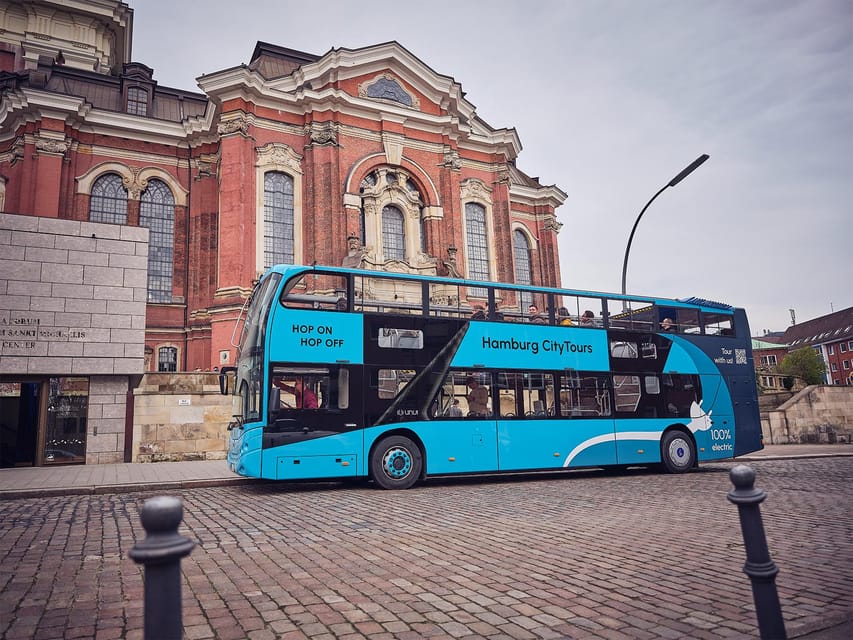
What is the duration of the Hamburg Hop-On Hop-Off Bus City Tour Line F?
The ticket is valid for 1 day, so you can hop on and off throughout the day using the bus route stops.
How much does the tour cost?
The price listed is $24 per person.
What does the ticket include?
It includes the hop-on hop-off bus tour ticket, live commentary in German, and an audio guide in French, English, Italian, Russian, Spanish, and German. It also includes skip-the-ticket-line service.
Are there live and audio guides, and in which languages?
Yes. There is live commentary in German, and there is also an audio guide in French, English, Italian, Russian, Spanish, and German.
Where do the buses depart in summer and winter?
In summer (April–October), buses depart hourly from Hauptbahnhof and Kirchenallee between 9:45 AM and 4:45 PM, and from Landungsbrücken between 10:01 AM and 5:01 PM. In winter (November–March), those end times are 3:45 PM (Hauptbahnhof/Kirchenallee) and 4:01 PM (Landungsbrücken), with departures hourly.
Can I hop off and get back on later?
Yes. The ticket is designed so you can hop on and off at any of the stops and take as much time as you like.
Is a harbor tour included?
No. The tour does not include a harbor tour.
Is the bus wheelchair accessible?
Yes. The tour is listed as wheelchair accessible.