A one-day loop, packed with Pokhara highlights. This Pokhara sightseeing bus tour is interesting because it mixes big hilltop views with up-close cave sights, including limestone formations and a sacred Shiva Lingam. I also like that the route is tightly managed for a low $10 price point, so you’re not wasting your day figuring out transport. One possible drawback: the sharing mini-bus is basic, and it may not be the cleanest ride.
You’ll start with hotel pickup in the Lakeside area, then roll out with a local guide (Nepali, Hindi, and English) plus a driver and support staff. The day feels well coordinated, and the tour director named Raj shows up as a key organizer in how the experience runs. Just budget for entrance fees (about NPR 1000 per person) since they’re not included.
In This Review
- Key points to know before you go
- Budget Day, Big Stops: How the Tour Route Really Feels
- Lakeside Pickup and the First Climb: Pumdikot Shiva Statue
- World Peace Pagoda: The Hilltop Stupa for Panoramas
- Gupteshwor Mahadev Cave: Limestone Formations and Sacred Shiva Lingam
- Davis Falls Area and the Cave Trio: Mahendra Cave and Bat Cave
- Mahendra Cave
- Bat Cave
- Seti River Gorge: Short Stop, Strong Views
- Bindabasini Temple and Fewa Lake: Finishing with Culture and Calm
- Bindabasini Temple
- Fewa Lake
- Transport, Timing, and Comfort: What to Expect on a Shared Mini-Bus
- What You’ll Need to Bring (So the Day Stays Fun)
- Price and Value: The Real Math Behind $10
- Who This Tour Fits Best (And Who Should Skip It)
- Should You Book This Pokhara Bus Tour?
Key points to know before you go
- Hilltop views at World Peace Pagoda over Pokhara Valley, Phewa Lake, and mountains
- Gupteshwor Mahadev Cave for stalactites, stalagmites, and a sacred Shiva Lingam
- Caves near Davis Falls: Mahendra Cave and the Bat Cave, both worth seeing even if you only have limited time
- Classic Pokhara nature stops: Davis Falls area and Seti River Gorge
- Cultural stop in the city: Bindabasini Temple with its local Hindu significance
- Budget value with small extras: tour price is low, but entrance fees apply
Budget Day, Big Stops: How the Tour Route Really Feels
This is the kind of tour that makes sense when you want a lot of landmarks without planning every detail yourself. You’re on a shared basic mini-bus, and that means you’ll spend some time in transit between stops, including multiple short transfers across town and into the hill viewpoints.
The upside is focus. You get a clear order of sights, and the schedule is designed so you can see both views and caves in one day. The downside is that each stop is time-boxed. Plan for quick sightseeing sessions, not long museum-style wandering.
Also, don’t forget the practical rules of the day: comfortable shoes, water, sun protection, and a camera you can use one-handed while you’re taking photos and moving around. Food isn’t included, and it’s not allowed on the bus, so you’ll want to handle snacks and meals outside your tour day plan.
Lakeside Pickup and the First Climb: Pumdikot Shiva Statue
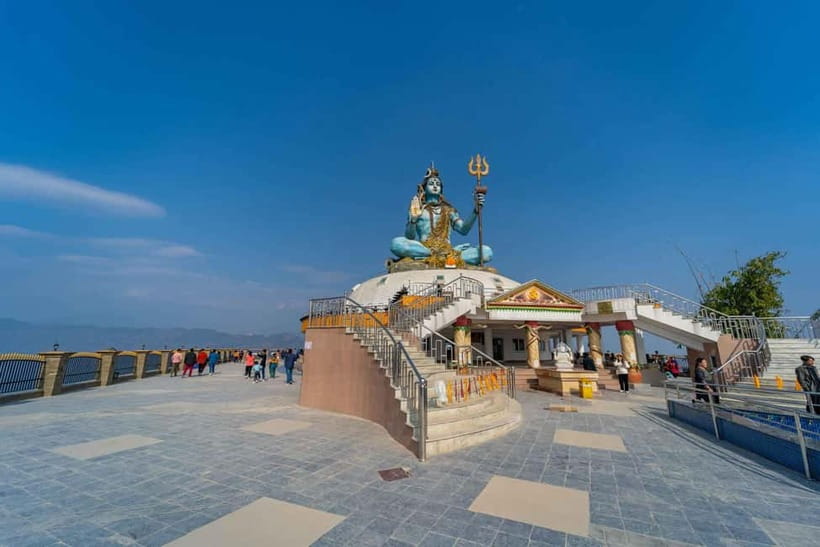
You begin with pickup from your hotel within the Lakeside area of Pokhara. That’s a real quality-of-life win because you don’t have to match your own bus schedules or hunt down a departure point. From there, the tour heads to the hills for Pumdikot Shiva Statue, with about an hour at the stop.
What I like about starting here: you get oriented fast. The viewpoint helps you understand why Pokhara attracts photographers and hikers in the first place. You’ll also get a first taste of the local religious atmosphere—this is not just scenery, it’s part of how people mark place and meaning.
If you’re heat-sensitive, this is the part where a hat and sunscreen matter most. Even on a “tour day,” the sun can hit hard when you’re standing around waiting for group photos and walking between vantage points.
World Peace Pagoda: The Hilltop Stupa for Panoramas
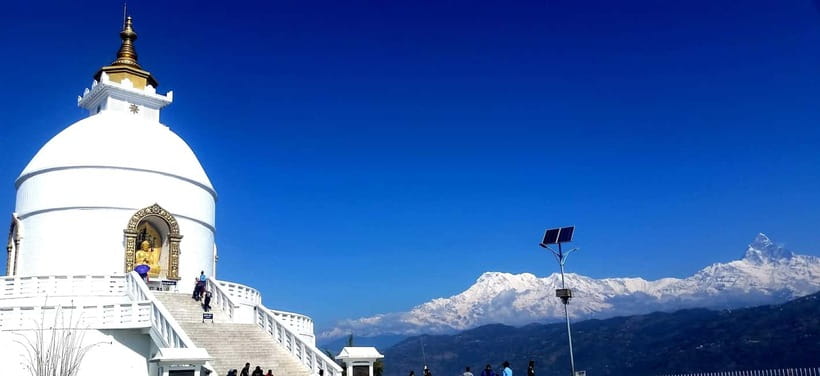
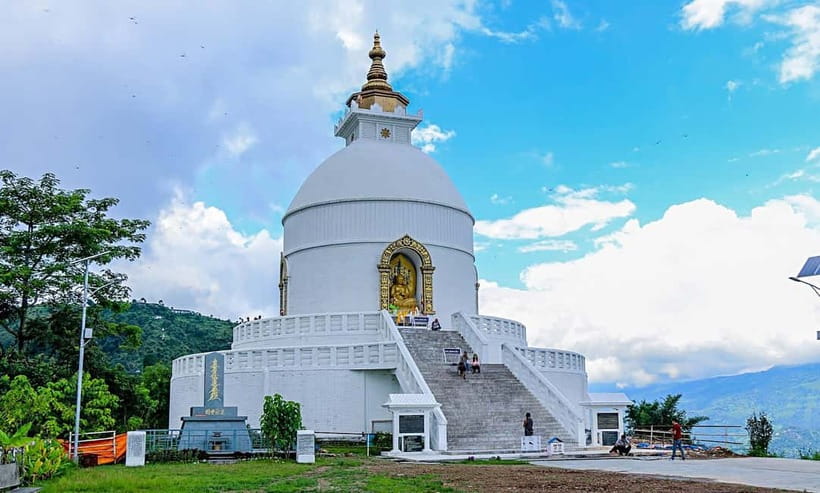
Next comes the World Peace Pagoda, a towering white stupa on a hilltop overlooking Pokhara Valley. You get roughly 55 minutes there, which is enough time to walk around, find a few solid photo angles, and enjoy the view without feeling rushed.
This stop is popular for a reason. From the pagoda area, you can see Pokhara Valley, Phewa Lake, and the surrounding mountains. The views are wide and memorable, and even if you’re not the type to chase viewpoints, it’s a great way to get your bearings. It also sets the tone for the rest of the day: after panoramic open-air sightseeing, the tour shifts into caves and religious sites that feel more tucked-in and grounded.
One practical note: expect walking. Bring shoes you don’t mind getting a bit dusty, and keep your phone/camera secured so you’re not juggling while you climb small steps.
Gupteshwor Mahadev Cave: Limestone Formations and Sacred Shiva Lingam
The tour’s cave chapter begins at Gupteshwor Mahadev Cave. You get around 40 minutes here, plus a short walk segment on foot as you move between parts of the area.
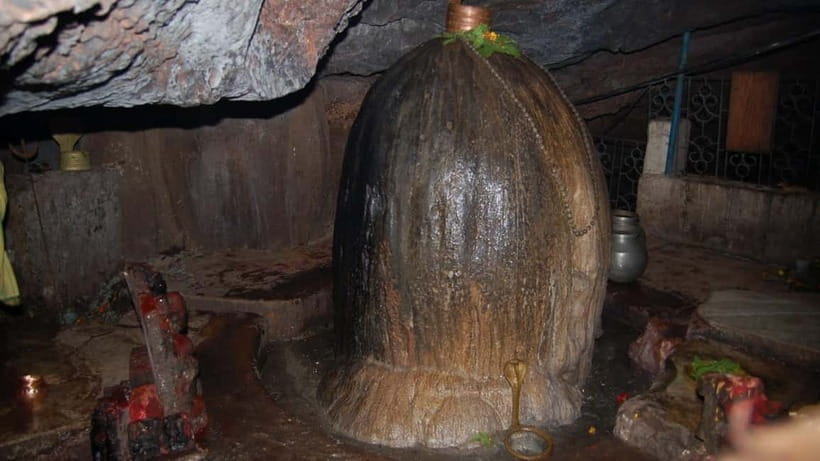
Inside, the focus is on the limestone features: stalactites and stalagmites. You’re not just seeing a dark tunnel—you’re seeing natural formations that look different depending on where the light hits. That makes it a more interesting stop than “just a cave entrance.”
Then there’s the Shiva Lingam, a sacred element connected to Mahadev (Shiva). This is one of those places where it helps to respect the space. Even if you’re there for the photos, slow down when people are observing religious points, and keep your movement polite and controlled.
Caves tend to be cooler than the street, but they can also feel damp. Comfortable clothes and shoes with good grip matter, especially if the ground around cave entrances is uneven.
Davis Falls Area and the Cave Trio: Mahendra Cave and Bat Cave
After Gupteshwor, the route continues through the Davis Falls area. Davis Falls is known for water that plunges into an underground cave. The water action is dramatic, and there’s also a local legend tied to the spot, which your guide may share as you look on.
This portion of the day is about switching gears. You go from cave interior formations into a more powerful outdoor natural feature, then back into caves again.
Mahendra Cave
You’ll visit Mahendra Cave, a large limestone cave near the Davis Falls area. Expect around 20 minutes, so focus on taking in the formations rather than trying to cover every corner. The formations are the point, and the ceiling and depth effects can make the cave feel bigger than you expect.
Bat Cave
Then comes the Bat Cave, a small cave near Mahendra Cave. You get about 25 minutes here. The draw is that bats live inside, and the cave’s size and atmosphere make it feel more “alive” than a typical tourist tunnel.
If you’re not a big fan of bats, you don’t need to panic. Plan for curiosity over fear. Keep your eyes open for movement, but don’t stare aggressively or block others. The best experience is calm, quiet observation.
Seti River Gorge: Short Stop, Strong Views
The tour hits Seti River Gorge after a transfer. You’ll get only about 15 minutes at this stop, so you have to make it count: find the best viewpoint quickly, take a few photos, and then enjoy the river views from where you’re positioned.
Why it works anyway: even a short visit gives you a sense of Pokhara’s natural power. The gorge shows you how water has carved through the area over time. It’s a great contrast to the cave experiences you already had.
Time-boxed stops can feel rushed, but with a short stop like this, it often turns into a “quick hit” that keeps the rest of your day enjoyable rather than tiring.
Bindabasini Temple and Fewa Lake: Finishing with Culture and Calm
The final parts of the tour shift back toward the city and local life.
Bindabasini Temple
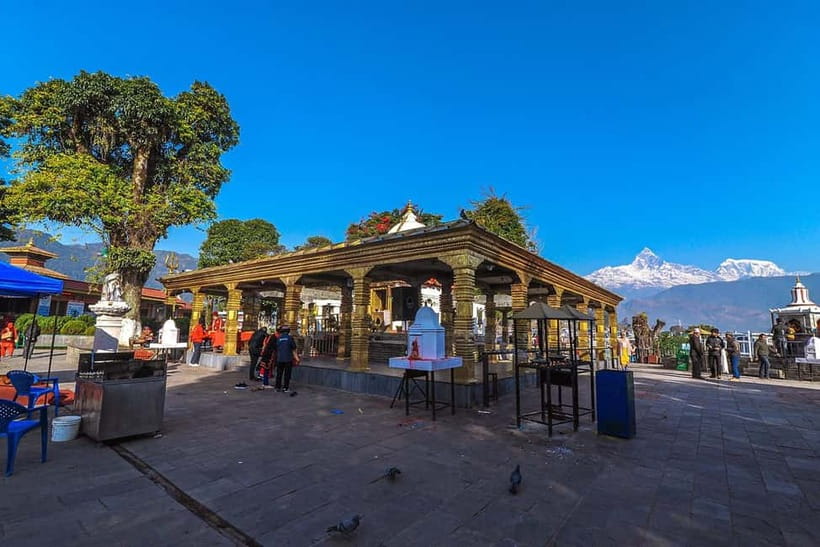
You’ll visit Bindabasini Temple, a Hindu temple located in the heart of Pokhara. You get around 45 minutes, which is a healthy amount of time to walk the area, observe the temple setting, and learn about its history and significance from your guide.
This is a good place to slow down. Unlike caves and falls, the tempo here is slower and more human-scale. It’s also where you may get more context for what you’ve been seeing all day—religious place meanings, local traditions, and why these landmarks matter beyond photos.
Fewa Lake
The tour concludes with a visit to Fewa Lake. Even without extra details on how long you stay or what exact viewpoint you visit, it’s a fitting ending: calm water after a day of caves and water power. It’s also a good chance to reset before heading back to your hotel.
If you’re thinking ahead, plan to avoid rushing through your last photos. You’ll likely want a clear shot of reflections and mountains if conditions are right.
Transport, Timing, and Comfort: What to Expect on a Shared Mini-Bus
This is a one-day tour built around a shared mini-bus and a guided route. The total time is about a day, and the itinerary includes multiple rides between stops (including a longer initial transfer and several shorter segments afterward).
That shared transport detail matters. It can make the day feel smooth and affordable, but it also means you don’t control the comfort level. One downside you should be aware of: the bus can be basic, and there may be issues like cleanliness or flies onboard.
You can’t fully “solve” that, but you can reduce the impact:
- Keep your water accessible so you can stay hydrated during breaks
- Use sunglasses and a hat to reduce the effect of glare and sun
- Wear clothes you don’t mind if the ride is dusty
The good news: multiple people describe the trip as well organized and coordinated, with friendly help and good time management. A strong driver can make the whole experience feel safer and calmer, especially when you’re moving between viewpoints and natural sites.
What You’ll Need to Bring (So the Day Stays Fun)
For this day, you’re mostly dealing with walking, steps, and time in sun and cave interiors. The essentials are simple:
- Comfortable shoes with grip
- Sunglasses and sunscreen
- A sun hat
- A camera
- Water
- Comfortable clothes
Also, consider a small personal towel or wet wipes if you’re sensitive to dust, since shared transport and outdoor stops can get messy fast.
Price and Value: The Real Math Behind $10
On paper, $10 per person sounds like a steal. In practice, it’s still good value, as long as you accept the tradeoffs: shared mini-bus transport, a local guide rather than a professional tour specialist, and entrance fees that are extra.
Entrance fees are estimated around NPR 1000 per person, which you should plan to pay on the day. Once you add that, the tour still tends to be worthwhile if:
- You want to tick off many major sights efficiently
- You’re okay with shorter visits per stop
- You don’t want to arrange transport between far-flung points yourself
If you’re the type who wants hours in one place, you might feel the time limits. But if you want a satisfying “greatest hits” day in Pokhara, this route is built for exactly that.
Who This Tour Fits Best (And Who Should Skip It)
This tour is a solid choice for:
- Budget travelers who want organized sightseeing
- People with limited time in Pokhara
- Travelers who enjoy caves, religious sites, and natural highlights in one day
It’s not a good fit if you have back problems, heart problems, or you use a wheelchair, since the day involves walking and cave areas that likely have uneven footing and steps.
If you’re unsure about your health limitations, I’d treat cave stops as a key factor. Cave interiors and cave entrances can be physically demanding compared with flat city sightseeing.
Should You Book This Pokhara Bus Tour?
Book it if you want an efficient, low-cost Pokhara day that hits the big view and the cave-and-water theme without requiring your own planning. The combination of World Peace Pagoda panoramas, Gupteshwor Mahadev Cave with its Shiva Lingam, the cave stops near Davis Falls, and the temple-and-lake ending creates a route that feels like a complete “Pokhara highlights” sampler.
Skip or think twice if you’re bothered by basic transportation conditions or you strongly dislike crowded, time-boxed stops. Also, if you need a more English-heavy experience throughout every point, plan to communicate your preferences ahead of time since language support can vary in how it’s handled on the ground.
If your goal is a well-paced day of major Pokhara sights for a bargain price, this one works. Just pack smart, protect your skin from sun, and wear shoes you trust.