East Jeju turns a normal day into a storybook of stone, sea, and people. This full-day bus tour pairs a UNESCO crater climb with a walk through Micheongul Cave, plus a real look at Jeju’s haenyeo sea culture.
I especially like how the route mixes big nature moments with human-scale stops—Seongeup Folk Village feels like you stepped into older Jeju, and you still get ocean time at Gwangchigi and Hamdeok Beach. The only drawback to plan for is that it’s a long day with a hike, so comfy shoes and a jacket matter.
In This Review
- Key Points Worth Getting Excited About
- East Jeju, Done the Easy Way (Without Missing the Big Stuff)
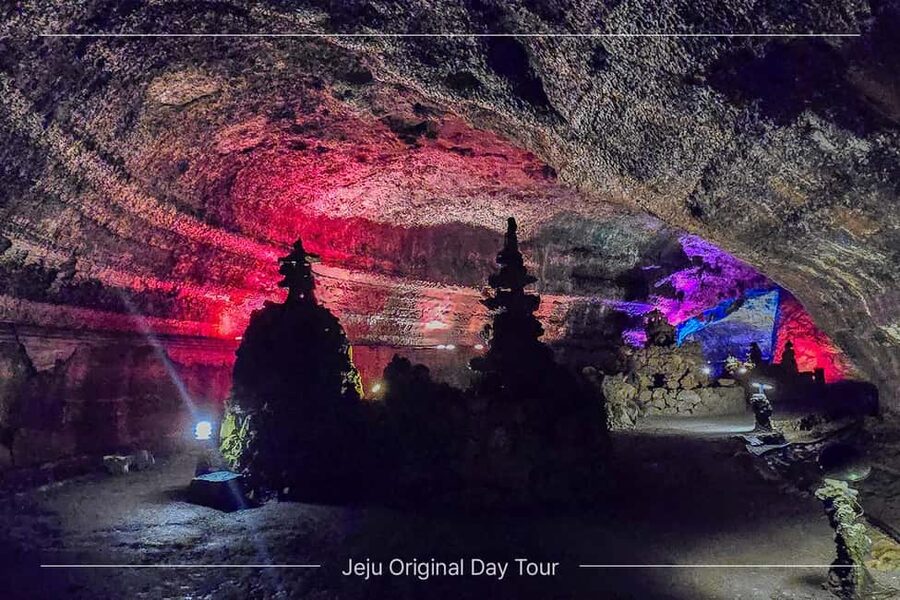
- Micheongul Cave: Jeju’s Lava Underworld on Foot
- Seongeup Folk Village: Where Older Jeju Still Shows Up
- Gwangchigi Beach: Low Tide Moss Rocks for Serious Photo Time
- Seongsan Ilchulbong: The UNESCO Crater Hike With Real View Rewards
- Haenyeo Show: Watching the UNESCO-Recognized Sea Culture in Action
- Hamdeok Beach: The Day’s Soft Landing With Turquoise Water
- Price and Logistics: What the $43 Actually Covers
- Timing, Weather Changes, and How the Day Can Shift
- Who This East Jeju Tour Fits Best
- Should You Book This Tour?
- FAQ
- How much is the Jeju Island East Jeju full-day bus tour?
- What’s included in the tour price?
- Is lunch included?
- What should I bring for the tour?
- Is the tour suitable for wheelchair users or limited mobility?
- Is the tour suitable for pregnant women?
- Will the itinerary change if weather is severe?
- Where can you be dropped off after the tour?
Key Points Worth Getting Excited About
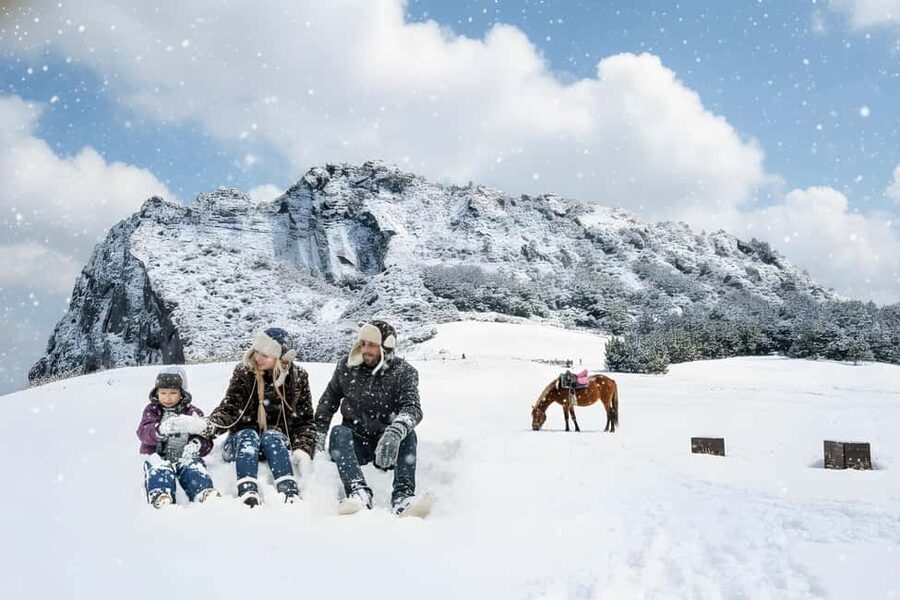
- UNESCO Seongsan Ilchulbong climb with panoramic sea views from the top
- Micheongul Cave walk through lava passages and rock formations
- Seongeup Folk Village where thatched-roof homes keep older Jeju alive
- Haenyeo free-breath sea tradition show tied to UNESCO-recognized culture
- Two beaches on the same day—Gwangchigi for low-tide moss rocks, then Hamdeok for a swim-and-slow down finish
- All-in-one value: guide, air-conditioned transport, and entry fees are included in the $43 price
East Jeju, Done the Easy Way (Without Missing the Big Stuff)
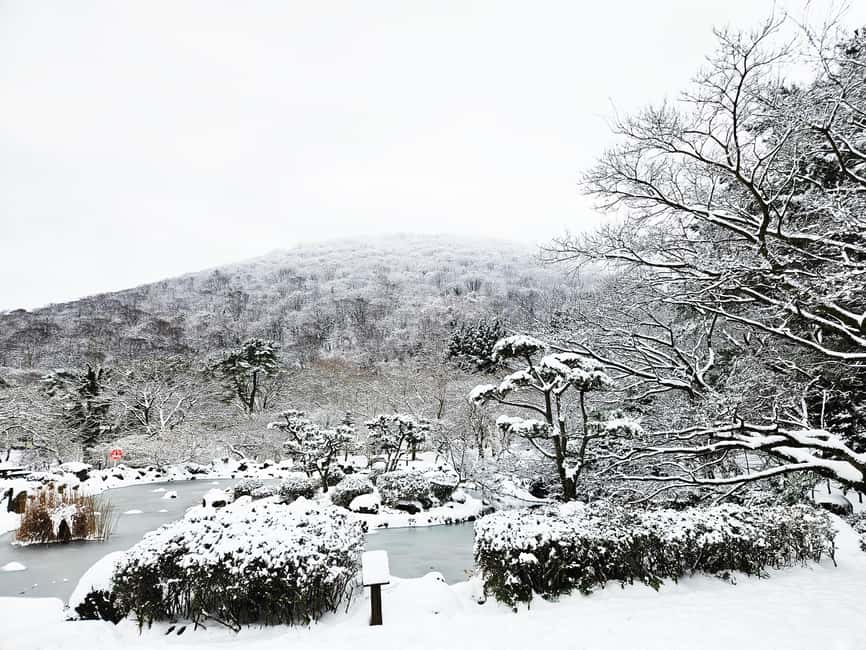
Jeju can feel spread out. The smart move is to let someone else handle the driving and sequencing, then you focus on walking, photos, and soaking up the vibe at each stop. This tour is built for exactly that: a full-day route that hits the east coast’s most famous nature and culture markers without turning into a shop-and-optional-tour marathon.
At $43 per person, the value comes from what’s rolled in: an English-speaking guide, air-conditioned transportation, and entrance fees. Lunch is not included, so you have one clear place to plan (more on that later). Also note that it’s not suited to wheelchair users and people with mobility impairments, and pregnant travelers are not recommended.
Micheongul Cave: Jeju’s Lava Underworld on Foot
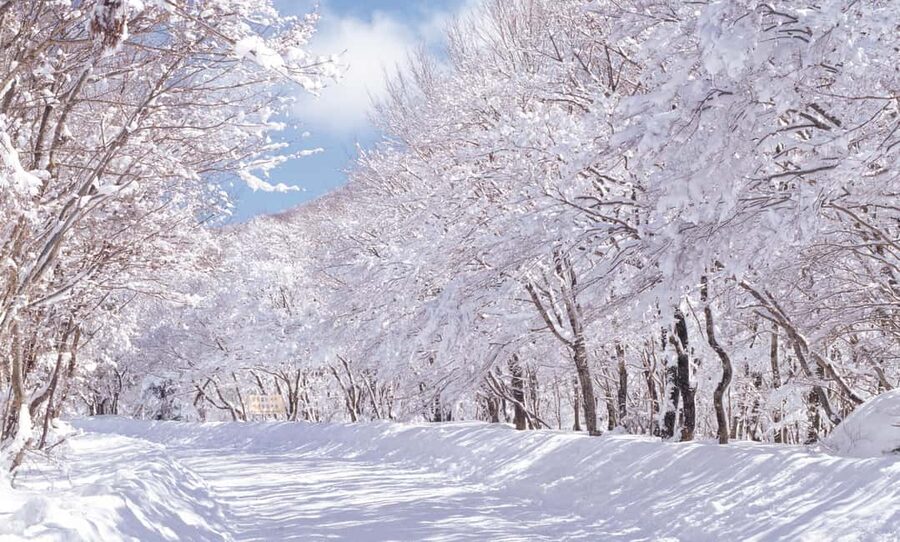
One of the reasons this tour works so well is that it starts with a sense of place. Micheongul Cave is a lava cave formed thousands of years ago, and the experience is less about rushing and more about moving at a human pace through underground corridors.
You’ll walk through enclosed passages with unusual rock shapes and formations—exactly the kind of stop that feels different from open-air sightseeing. The practical side: wear comfortable shoes because cave floors can be uneven, and bring a jacket since underground temperatures can feel cooler than outside air.
There’s also a built-in contrast. After you’ve been underground, you come back up into above-ground gardens—so the day’s mood shifts from mysterious to calmer without you having to travel far.
Seongeup Folk Village: Where Older Jeju Still Shows Up
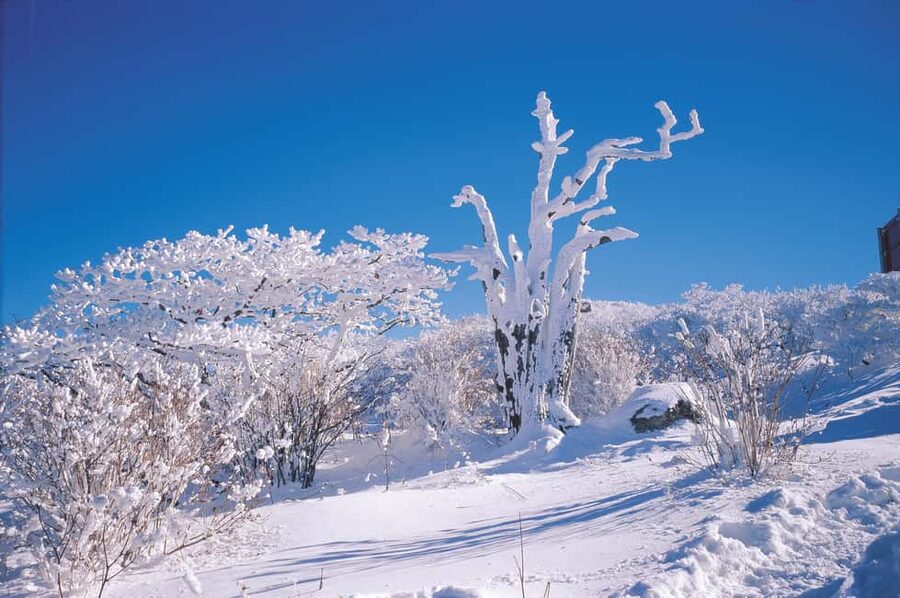
Next comes Seongeup Folk Village, a well-preserved traditional area where daily life from centuries ago isn’t just explained—it’s still visible in the homes and village layout. Expect thatched-roof houses and an atmosphere that feels more lived-in than staged.
This is a stop I like because it slows the day down. You’re not just ticking boxes—you’re getting context for Jeju’s culture, not only its geology. If you enjoy small talks and watching how people preserve tradition, you’ll probably enjoy wandering around here.
The main consideration is timing. Because this is a bus tour that covers multiple stops, you won’t have unlimited hours. Still, the village is designed for walking, so you can get a lot out of a relatively short visit if you pace yourself.
Gwangchigi Beach: Low Tide Moss Rocks for Serious Photo Time
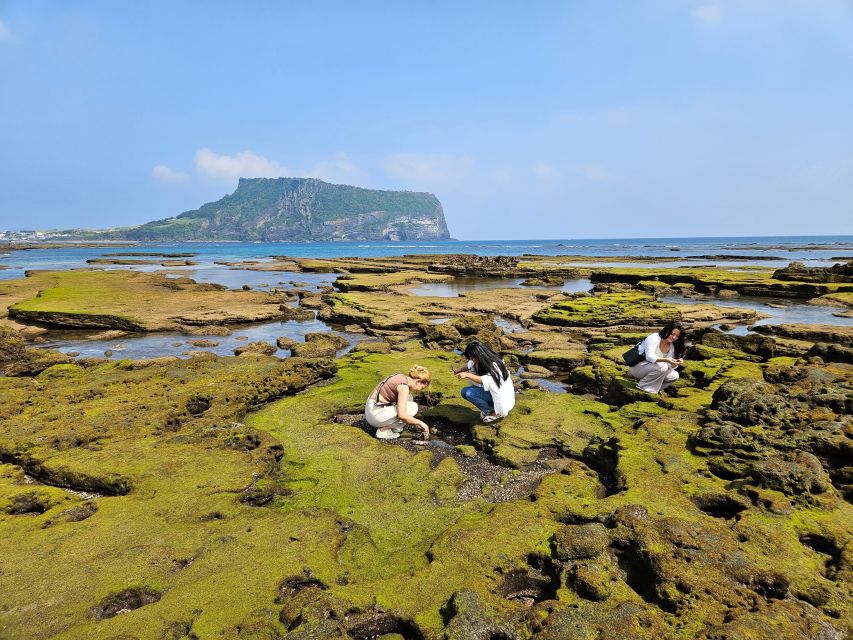
East Jeju’s coast has a dramatic habit: the sea changes the view as the tide shifts. Gwangchigi Beach is especially photogenic at low tide, when green moss-covered rocks appear and frame the ocean view.
This stop works in two ways. First, it gives you a break from inland walking and offers wide ocean sightlines. Second, it creates a natural photography window, because mossy rock patterns and sea background make for strong images fast.
Plan for the reality of weather and slick surfaces. Coastal rocks can be uneven, so keep your footing careful. If the day is windy or rainy, you may want to focus on quick photos and then step back for bus time rather than pushing long, risky walks.
Seongsan Ilchulbong: The UNESCO Crater Hike With Real View Rewards
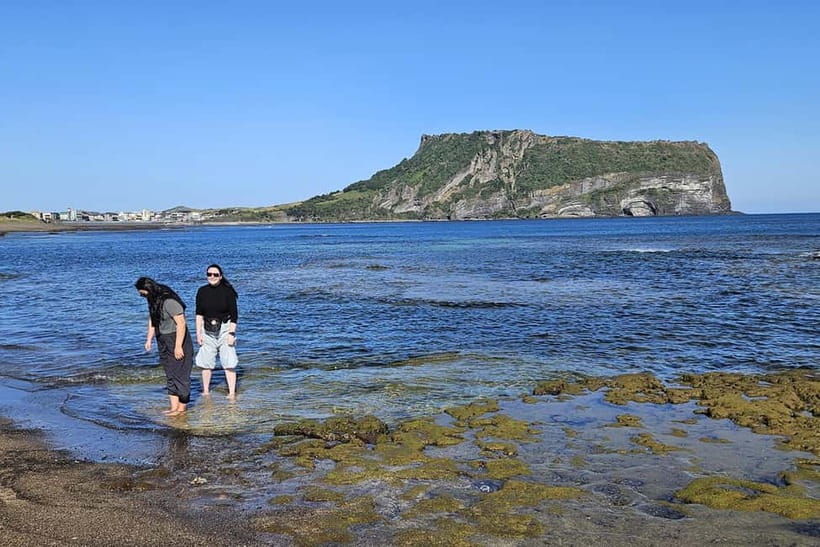
Then you get the day’s anchor: Seongsan Ilchulbong, also called Sunrise Peak. This volcanic tuff cone is a UNESCO World Natural Heritage site, and the reason it’s so famous is simple—the climb ends with wide panoramic sea views that feel worth every step.
Here’s what to expect. It’s not a gentle stroll. You’ll be climbing up to the top, and the ground can feel exposed in bad weather. Bring your jacket, and dress for wind and shifting conditions.
What makes this hike especially good in a bus-tour format is that it’s timed within a larger plan. You’re not left guessing when to go or how to fit it in around everything else. Just be ready to work your legs and then enjoy the reward.
Haenyeo Show: Watching the UNESCO-Recognized Sea Culture in Action
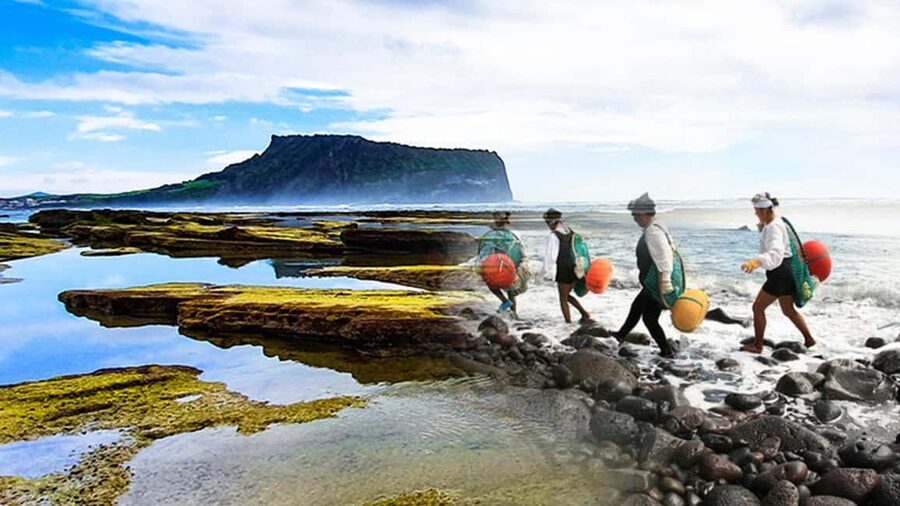
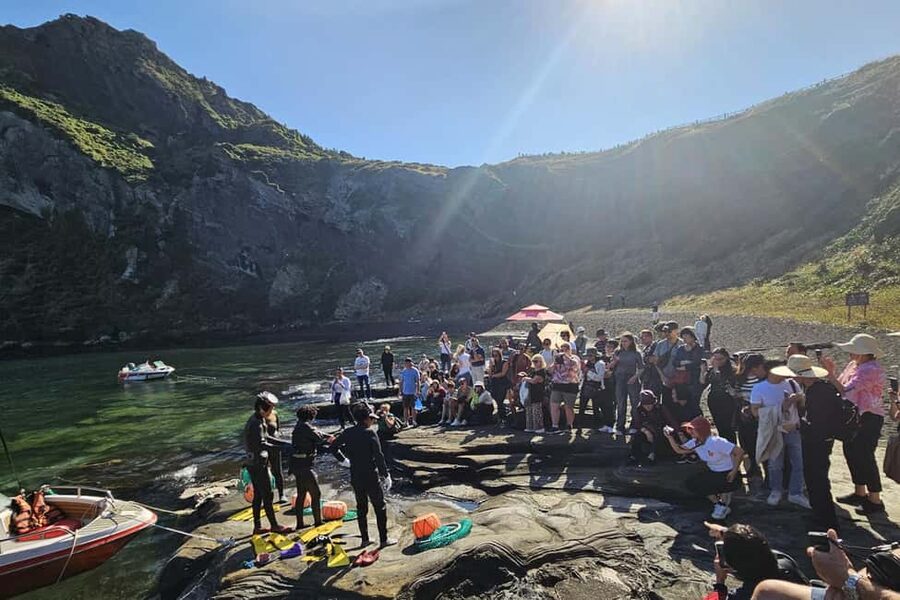
One of the most compelling parts of the itinerary is the haenyeo experience—Jeju’s women divers in a living ocean tradition. The show is built around breath-holding harvest culture, with performers entering the sea without oxygen tanks.
Even if you’ve read about haenyeo before, seeing it in person hits differently. It’s physical, it’s focused, and it connects the coast you’ve been looking at to a way of life that has real skills behind it. It also adds cultural meaning to the volcanic and beach scenery. You’re not only seeing Jeju—you’re learning how people have depended on this sea for generations.
A practical note: this show isn’t always guaranteed in the exact way people hope. If conditions don’t allow it, the tour can adjust. That’s why the sensible mindset is to treat it as a highlight that’s worth being excited about, not something you should build your entire day around.
Hamdeok Beach: The Day’s Soft Landing With Turquoise Water
You close the tour at Hamdeok Beach, one of Jeju’s best-known relaxing stops. The description fits the mood: turquoise water, white sand, and a stretch of seaside cafés where you can sit, breathe, and reset after the morning’s walking.
This is a great ending choice because it’s not another “museum-brain” stop. It’s where you go from effort to ease. Even if you don’t plan to swim, you’ll likely enjoy the change in pace and the open ocean feel.
Also, this is where your logistics matter less. You’re already at the end, so you can spend time at a comfortable speed instead of trying to sprint through a final photo checklist.
Price and Logistics: What the $43 Actually Covers
Let’s talk value in plain terms. You pay $43 per person, and it includes:
- Professional English-speaking guide
- Air-conditioned vehicle transport
- Entrance fees
- Drop-off service at the end
What’s not included is lunch, which means you should plan on finding a meal on your own. The guide will recommend local spots and you’ll have free time to eat, which usually works well if you like flexibility.
This tour also sells itself on efficiency. It avoids shopping detours and avoids time-sucking optional-tour side quests. That matters because a “full day” can either be packed with real experiences or wasted in transit and sales pitches. This itinerary is meant to stay focused on sightseeing.
Transport and comfort also matter on Jeju. You’re in an air-conditioned bus, and you’ll be moving between sites that are far enough apart that DIY can eat up your time.
Timing, Weather Changes, and How the Day Can Shift
Jeju weather can be dramatic. The tour notes that in severe conditions, Mt. Hallasan may be replaced with other attractions. That’s a key detail because it affects expectations: your plan is strong, but the day is still subject to safety and conditions.
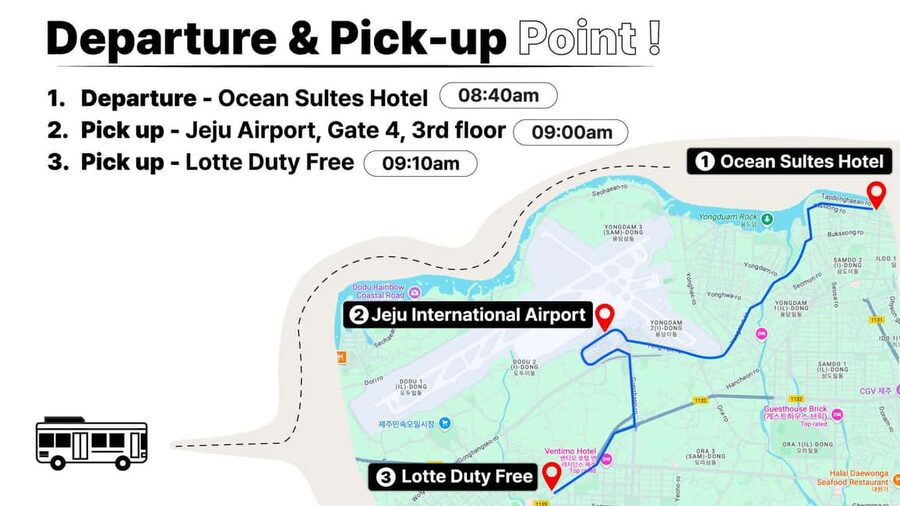
You also get real communication. The team contacts you via WhatsApp the day before, and if you don’t receive a message by 7:00 PM, you’re told to reach out. If you want to change your meeting point, you need to notify staff at least one day ahead.
This is where I think the tour is handled well: the structure keeps the itinerary intact when possible, and it adapts when it has to.
Who This East Jeju Tour Fits Best
This is a good match if you want a lot of East Jeju highlights in one day, especially:
- First-time Jeju visitors who want a strong orientation to the island
- People who prefer a guide to handle driving and site order
- Anyone who likes nature stops plus one or two culture anchors
In the real-world feedback, the guides often bring energy and keep the group moving with clear explanations and a friendly vibe. Names that show up often include Elin, Zin, Angella, and Jin Lim, and the driver Kevin is repeatedly praised for smooth, safe driving. You may also see guides add group fun like quiz-style moments, and they often help with photos along the way.
But it’s not for everyone. The tour specifically says it’s not suitable for people with mobility impairments, wheelchair users, and pregnant women. Plus, the Seongsan Ilchulbong climb means you should be comfortable with walking on uneven ground and climbing a crater path.
If you want a completely low-walking, no-hike day, this probably won’t be your best pick.
Should You Book This Tour?
I think this is an easy yes if your goal is a high-impact East Jeju day with UNESCO views, lava cave walking, and sea culture, all in one bundled price. The inclusion of entrance fees and transportation makes the $43 feel like less of a gamble than tours that keep adding costs later.
You should pause and think twice if you can’t handle a hike or long walking stretches, or if you expect guaranteed performance details like the haenyeo show on the exact schedule. Weather can shift things, and it’s smart to accept that.
If you want one day that feels like Jeju’s east coast highlights in a single, well-run arc, book it. If you’d rather travel slowly on your own with lots of flexibility between stops, you might prefer a DIY plan.
FAQ
How much is the Jeju Island East Jeju full-day bus tour?
The price is listed as $43 per person.
What’s included in the tour price?
The tour includes all entry fees, an English-speaking guide, transportation by air-conditioned vehicle, and drop-off service.
Is lunch included?
No. Lunch is not included. The guide will recommend local restaurants, and you’ll have free time to eat.
What should I bring for the tour?
Bring a jacket and wear comfortable shoes.
Is the tour suitable for wheelchair users or limited mobility?
No. It is not suitable for wheelchair users or people with mobility impairments.
Is the tour suitable for pregnant women?
No. Pregnant women are not recommended for this tour.
Will the itinerary change if weather is severe?
Yes. In case of severe weather, Mt. Hallasan may be replaced with other attractions.
Where can you be dropped off after the tour?
You can choose drop-off at Ocean Suites Hotel (about a 10-minute walk to Dongmun Market), Lotte Duty Free, or Jeju Airport.