Kamakura and Enoshima make for a seriously satisfying day. I like how this trip strings together big-ticket sights without turning it into a slog, and I really value the hotel pickup plus the simple, stress-free pacing. Two standouts for me are the photo moment at the Great Buddha and the ride on the Enoden streetcar along the Shonan coast. One thing to consider: this is not a deep guided tour—your driver/guide gives basic support and you’ll explore on your own for most of the time.
You also get a big help from the people running the day. In particular, I’ve heard from past groups that the driver Mr. Alex can be very kind and punctual, and he keeps things moving so you know exactly where to meet next. For history nerds who want long, detailed explanations at every stop, you may feel a bit shortchanged, since the guide’s role is more “make it easy” than “teach the full story.”
In This Review
- Key things you’ll notice right away
- A stress-free shuttle day: pickup, meeting point, and pacing
- Enoshima Island first: sea views and an easy start
- Kamakura High School and the Slam Dunk connection
- The Enoden streetcar ride: your built-in Shonan photo moment
- Tsurugaoka Hachimangu Shrine: the big walk and the main shrine energy
- Kotoku-in and the Great Buddha: the unforgettable first sight
- Food and shopping time: how to use the gaps well
- Value check: what $15 gets you (and what it doesn’t)
- Who this tour suits best
- A few smart planning notes before you go
- Should you book this Kamakura and Enoshima tour?
- FAQ
- How long is the Kamakura Great Buddha and Enoshima tour?
- Is hotel pickup included?
- Is the Great Buddha of Kamakura admission included?
- Is lunch included?
- Does the guide provide detailed explanations during the tour?
- What happens if the weather is bad?
Key things you’ll notice right away
- Pickup that reduces hassle: you start from Tokyo Station area or with hotel/B&B pickup to the meeting point
- A full, compact day: about 10 hours covering Kamakura and Enoshima highlights
- Enoden streetcar ride: included and timed for coast and town views
- Slam Dunk fandom stop: Kamakura High School model area and the nearby intersection for fans
- Clear self-exploration time: enough room to photo, shop, and snack without rushing
- Great Buddha admission is extra: Kotoku-in entry is not included (small add-on cost)
A stress-free shuttle day: pickup, meeting point, and pacing
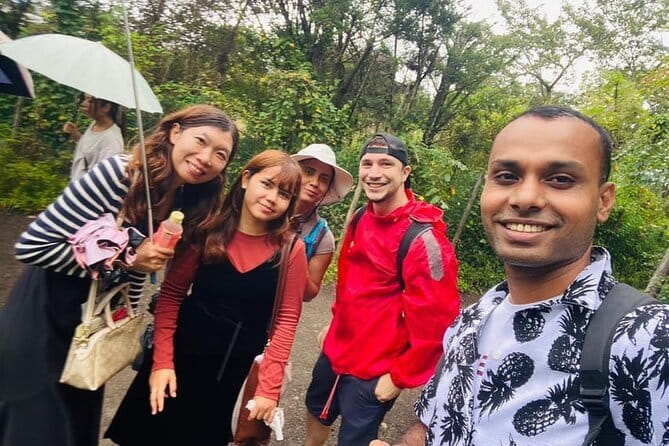
This tour is set up as a non-private shuttle bus experience with a maximum group size of 50. That means you’re not getting a customized route, but you also aren’t spending your whole day figuring out trains and connections. The “small group” feeling comes from the shuttle format and the fact that the day is organized around a fixed set of stops.
You have two ways to start:
- Tokyo Station Marunouchi North Gate Dome is the stated meeting point.
- There’s also an optional hotel/B&B pickup, which makes a big difference if you’re not staying near major rail hubs.
The pacing is built for a day trip: you arrive, you get dropped off close to what you came for, then you use the time to walk around, take photos, and grab something to eat. Your driver/guide offers basic English support but does not provide in-depth storytelling for each attraction. So think of the guide as your organizer and translator when needed, not as a full lecturer.
One practical tip: if you want the best photos, you’ll still need to watch your timing. The tour gives you blocks of time at each stop, but some of the most popular angles (especially around the Great Buddha and shrine approach) can get busy depending on the day and weather.
Enoshima Island first: sea views and an easy start

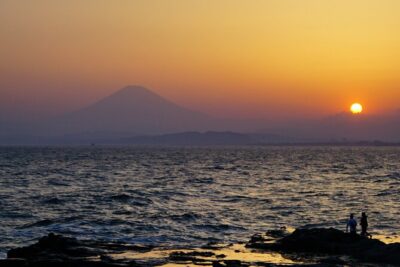
The day kicks off on Enoshima Island (about a 2-hour stop), with admission listed as free. Enoshima is small and coastal, and it tends to feel like a quick shift from city bustle to something more ocean-air and sightseeing-focused.
What I like about starting here is the mood change. You get a chance to orient yourself with the seaside vibe early—walks, viewpoints, and that “island but not far from Kamakura” feeling. It’s also a smart way to beat heat or crowds depending on your travel month, since the earlier you do the coast, the more pleasant it usually is.
Even though you’re not in a guided lecture mode, the English-speaking guide will share legends and context during the day. Enoshima’s origin story is tied to a goddess named Benzaiten emerging from the sea and calming a dangerous dragon. Stories like that are exactly why this stop works well for first-timers: you get a narrative hook, then you can wander with better meaning behind what you’re seeing.
Kamakura High School and the Slam Dunk connection
Next up: Kamakura High School for about 30 minutes, also marked as free. If you’re a Slam Dunk fan, this is the moment where the tour becomes personal. The site is used as a model for Shohoku High School in the manga and anime, and you can visit the area near the station where the series’ character Sakuragi Hanamichi is associated with a key intersection.
Even if you’re not there for the pop-culture angle, this stop is still useful. It’s a quick, low-pressure stop in a town area where you can look around, take a couple photos, and then keep moving toward the more traditional religious landmarks.
The tradeoff is time: 30 minutes is enough to satisfy curiosity and snap pictures, but it’s not enough for a long, wandering day at the school area. If you want extra time here, you’d need to plan your own add-on walking before the shuttle moves on.
The Enoden streetcar ride: your built-in Shonan photo moment
One of the highlights is built right into the route: a stop at the Enoden Bus Kamakura Office (about 20 minutes), with the Enoden ride included. Enoden is a streetcar that runs between Fujisawa and Kamakura, and the route is famous for giving you long views of the Shonan coast and the town as you move between areas.
This is the kind of transportation moment that often turns into the best memories of a day trip, because you’re not just traveling—you’re sightseeing while moving. The ride also breaks up the walking. That matters because Kamakura-style sightseeing can include steep little stretches and lots of steps near temples and shrines.
Practical advice for photos: sit where you can see windows without glare. Try to have your phone or camera ready as you pass coastal stretches and viewpoints. The Enoden stop is short, so don’t wait until the last minute to figure out your seat and angle.
Tsurugaoka Hachimangu Shrine: the big walk and the main shrine energy
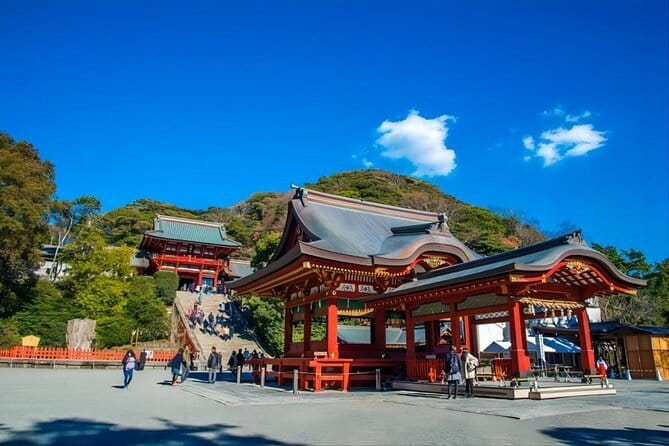
Then you get to a major anchor stop: Tsurugaoka Hachimangu Shrine (about 1 hour 30 minutes, admission free). This is one of those places where your time is well spent because the shrine grounds give you multiple layers: approach areas, open spaces, and the sense that you’re inside a major historical center even if you don’t know every detail.
The shrine dates back to the 12th century and was founded by Minamoto no Yoritomo, the first shogun of the Kamakura Shogunate. Even if the guide is providing only essential English context, that’s still enough to help you understand why the site feels ceremonial and important.
Here’s what I think works best: treat the time as a rhythm. Walk the main approach, pause for photos, and then give yourself a second pass with slower eyes. If you’re the type who likes to look at carvings or notice how the grounds are arranged, you’ll feel like the 1.5 hours is right.
If you’re not into religious sites, that’s still okay. Tsurugaoka Hachimangu is also one of the cleanest “first big shrine” experiences in the area. You’ll get a sense of what Kamakura is about without it turning into a marathon.
Kotoku-in and the Great Buddha: the unforgettable first sight
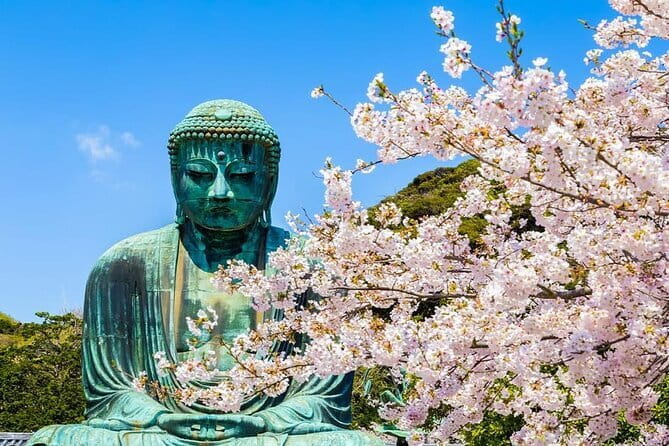
Finally, the stop people talk about most: Kotoku-in Temple and the Great Buddha of Kamakura. Time here is about 40 minutes. Admission for the Great Buddha is listed as not included, so you should budget about $2.1 for entry.
The payoff is fast. As soon as you walk toward the site, the Great Buddha hits you visually—large, grounded, and impossible to ignore. That first moment is exactly why this stop is a must for first-time visitors. You’re not just seeing an object behind glass; you’re standing in a temple space built around it.
If you’ve ever seen photos, you’ll know the shape. The difference is scale in person. You also get the surrounding temple setting, with other statues and carvings around the Buddha area, which helps you understand that this is part of a broader sacred complex, not a stand-alone landmark.
What I’d suggest: spend your first few minutes getting your “hero shots” and then slow down. Look at how people position themselves, and use that as a guide for where your best angles might be.
Food and shopping time: how to use the gaps well
This tour doesn’t include lunch, but it does give you time to sample local food and shop for souvenirs. Based on how the day is structured, you’ll likely have a noon window where you can grab something quick and satisfying rather than sitting down for a long meal.
I like this approach for a day trip. It keeps you flexible, and it lets you follow what looks good nearby rather than forcing a set menu. The only thing to watch: carry some cash for smaller shops, and don’t count on finding the perfect sit-down option within the short windows. If you want a “safe plan,” look for a place with simple dishes you can eat quickly—then you’ll keep your energy for the later stops.
Value check: what $15 gets you (and what it doesn’t)
At $15 per person, this is priced for serious value—especially because it includes:
- Air-conditioned vehicle
- Driver and guide service fee
- Complimentary train tickets
- The included Enoden portion
You also get that “someone is handling the route” benefit. When you’re doing Kamakura and Enoshima in one day, the transport puzzle can be a lot. Here, you’re paying to skip most of that mental load.
What you should plan for:
- Great Buddha admission is extra (about $2.1)
- Lunch is not included
- Your guide provides essential support, not long, deep historical explanations
So the value depends on your travel style. If you want a smooth, mostly self-guided day with a supportive organizer and a few included transport pieces, this price makes a lot of sense. If you want a fully narrated tour at each stop, you might feel like you’re paying for logistics more than education.
Who this tour suits best
This experience fits best if you:
- Want a one-day Kamakura + Enoshima sampler
- Like mixing religious landmarks with coastal views and a pop-culture stop
- Prefer a “go, see, wander, meet back up” rhythm
- Don’t need constant explanations as long as you know what you’re looking at
It’s likely less ideal if you:
- Want a guide to deliver detailed, stop-by-stop history throughout the day
- Need lots of extra time at a single location (the stops are timed)
- Are extremely sensitive to walking; the day includes multiple walking areas around the shrine and Buddha complex
Also, the tour notes that most travelers can participate, but elders over 70 should be accompanied by a family member.
A few smart planning notes before you go
- Weather matters. The experience requires good weather, and if it’s canceled due to poor weather you’ll be offered a different date or a full refund.
- Bring small flexibility. With fixed stops, your best strategy is to be ready to move when the group moves.
- Use the self-time. The tour gives you “explore at your own pace” breathing room, so use it. You’ll enjoy the day more if you don’t treat every minute like a checklist.
Should you book this Kamakura and Enoshima tour?
I’d book it if you want a simple, organized day trip that hits the big highlights: Enoshima’s island mood, the Kamakura High School Slam Dunk connection, an Enoden streetcar ride with coast views, a major shrine at Tsurugaoka Hachimangu, and the unforgettable Great Buddha at Kotoku-in.
Skip it if your main goal is a heavily narrated cultural tour. This is more like a driver-led route with guided highlights—then you explore. For many visitors, that’s exactly the right balance. For others, it’ll feel light on commentary.
If you’re staying in Tokyo and want to avoid transportation stress, this is a strong value option. You pay for the route, the included transport pieces, and the structure—and you keep the freedom to enjoy the places once you’re there.
FAQ
How long is the Kamakura Great Buddha and Enoshima tour?
The tour runs about 10 hours (approx.).
Is hotel pickup included?
You can choose hotel or B&B pickup, which takes you to the tour meeting point area. Otherwise, the meeting point is Tokyo Station Marunouchi North Gate Dome1-chōme-9-1.
Is the Great Buddha of Kamakura admission included?
No. Admission to Kotoku-in / the Great Buddha of Kamakura costs about $2.1 and is not included.
Is lunch included?
Lunch is not included.
Does the guide provide detailed explanations during the tour?
The driver/guide provides basic English support and essential guidance, but is not able to give in-depth explanations of attractions and culture. You’ll explore most areas at your own pace.
What happens if the weather is bad?
The experience requires good weather. If it’s canceled due to poor weather, you’ll be offered a different date or a full refund.