La Palma doesn’t do small. This full-day guided bus tour strings together high viewpoints, a volcanic-history stop, and a real local market—so you see how the island works, not just what it looks like. My two favorite parts are the sky-at-the-top feeling at Roque de Los Muchachos and the way the stops stay varied, from viewpoints to Puntagorda’s weekly market. One drawback: it’s a long day with short walks and some steep roads, so it’s not ideal if you have reduced mobility.
What makes it especially appealing is the rhythm: you go up in elevation in the western side of the island, then you come back down along the east. Along the way, you get context from the guide—like why Plaza de Tajuya became an improvised lookout during the Cumbre Vieja eruption and what makes the Aridane Valley so special. I also like that the bus is air-conditioned and the driver handles the winding climbs without turning your stomach into a science project.
There are a couple of practical things to consider before you book. First, there’s no food included, so plan to eat on your own and bring water. Second, the schedule depends on road conditions and timing—so if you’re the type who hates waiting, you’ll want snacks and patience for the morning start.
In This Review
- Key highlights worth planning around
- 7.5 to 9 Hours: how the day flows across La Palma
- Pickup times and the one thing you should do early
- Plaza de Tajuya: volcanic history with a front-row view feel
- El Time and Aridane Valley: panoramas you’ll keep comparing
- Puntagorda Farmer’s Market: local food you can actually take home
- Roque de Los Muchachos: the top-of-island feeling (and the astronomy reason)
- Mirador de El Time to Mirador de Los Andenes: Barranco views from the bus window to the lookout
- Royal Sanctuary of Our Lady of the Snows: a calmer cultural stop
- Mirador de La Concepción: finish with Santa Cruz and the east coast
- Price and value: what $50 buys you (and what it doesn’t)
- What to bring so the day feels easy, not exhausting
- Who this bus tour is best for
- Should you book this tour? My decision guide
- FAQ
- How long is the La Palma highlights guided bus tour?
- What’s included in the price?
- Are food and drinks included?
- Which languages are offered for the live guide?
- Is the tour wheelchair accessible?
- What should I bring for the day?
Key highlights worth planning around
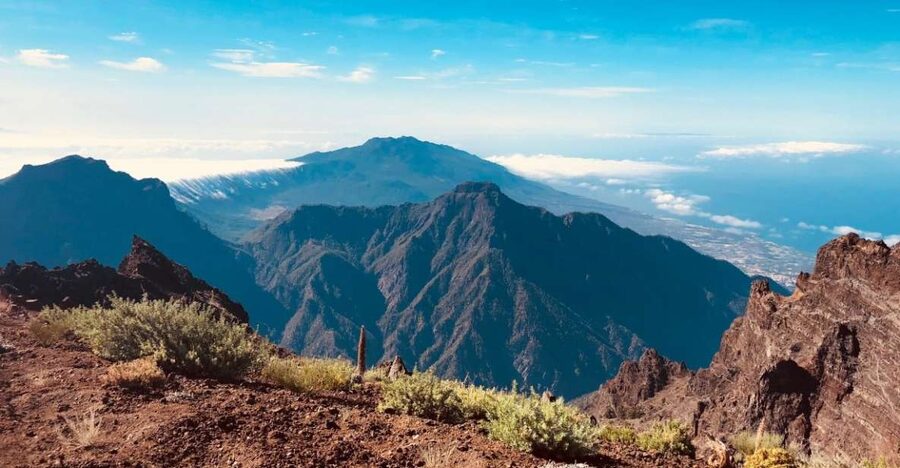
- Roque de Los Muchachos: top-of-island views and sky conditions that attract observatories
- Plaza de Tajuya: a viewpoint tied to the Cumbre Vieja eruption
- El Time + Aridane Valley: major panoramic viewpoints, with the National Park in view
- Puntagorda Farmer’s Market: local products from farmers, artisans, and pastry chefs
- Mirador stops on the return: Barranco de Las Angustias views plus Santa Cruz and the east coast
7.5 to 9 Hours: how the day flows across La Palma
This is the kind of tour that makes sense if you want an overview without renting a car. The day runs about 7.5 to 9 hours, and it’s built around driving plus short stops—so you’re not constantly walking, but you are spending real time on the bus.
The big pattern I like is the west-to-east change in scenery. You ascend through the western part of the island, then you descend through the eastern area, which helps you understand how varied La Palma can be in one day. It also means your photos will look different as the light and elevation shift.
If you’re traveling on a tight schedule, this timing is a win. You get a high point of the island, a volcano-era viewpoint, a market, and a religious landmark—without having to stitch it all together yourself.
Pickup times and the one thing you should do early
Pick-up is included, and the tour starts pretty early. Your bus may collect you at Fuencaliente at 8:00 am, then later around Santa Cruz (bus stop line 500 south at 8:50 am), Los Cancajos (9:00 am at the Tourist Information Office stop and 9:10 am at the pharmacy stop).
Here’s the practical advice I’d follow: arrive at your stop a little early and have your confirmation info ready. In the early part of the day, there can be confusion around which language group goes where, which can cost time before you even leave—so you’ll reduce stress by being organized from the start.
Also, pick a seat that works for you. If you tend to get motion discomfort, aim for a spot where the view ahead feels steadier (front or mid-bus usually helps). It won’t stop all bumps, because the roads are narrow and steep, but it can make the ride more comfortable.
Plaza de Tajuya: volcanic history with a front-row view feel
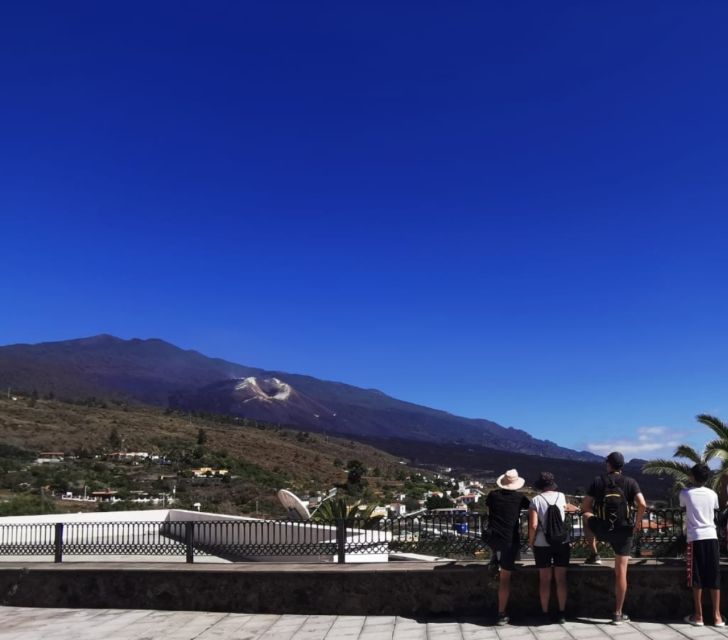
The day kicks off with a drive to Plaza de Tajuya, described as a privileged viewpoint that became improvised during the Cumbre Vieja eruption. This matters because the stop isn’t random—it’s tied to a specific moment in La Palma’s recent past, and the guide adds the meaning behind the view.
When you reach Tajuya, you’re basically doing what locals and visitors did during the eruption: using elevation to see farther and understand what’s unfolding. It’s one of those moments where you look at the terrain and think, okay, this isn’t just scenery—it’s geography doing real work.
If clouds roll in, this is still worth the stop. Even with less visibility, you’ll get the context from the explanation and the sense of how high points create “checkpoints” for the whole island.
El Time and Aridane Valley: panoramas you’ll keep comparing
After Tajuya, you head toward El Time, a viewpoint listed at 594 m above sea level. From here, you get the kind of wide view that lets you connect several dots at once: the Aridane Valley, parts of Caldera de Taburiente National Park, and the layered geography in between.
This stop is where the tour becomes more than sightseeing. You’ll start to notice how valleys, ridges, and volcanic shapes steer where settlements spread and where vegetation thrives. If you like learning as you look, this viewpoint delivers.
There’s one photo tip to keep in mind: if the sun hits you directly, it can wash out contrast and make it harder to get clean shots. Bring a hat and consider using your phone camera in portrait mode or stepping slightly to avoid glare—small moves help on bright days.
Puntagorda Farmer’s Market: local food you can actually take home
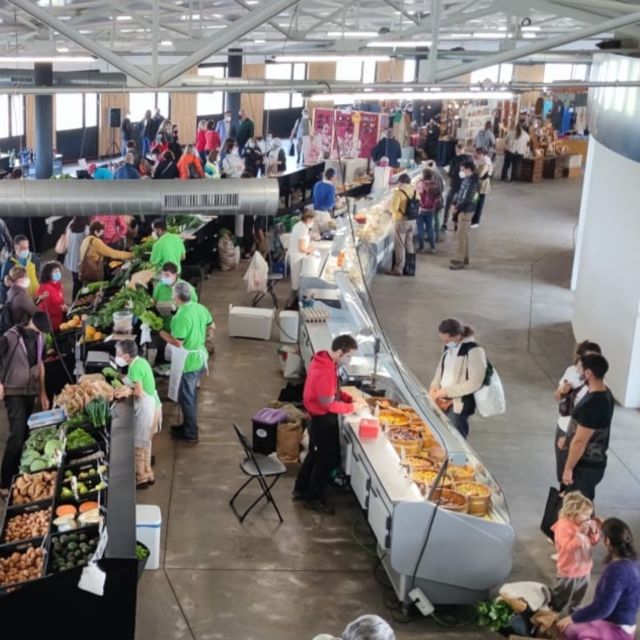
The Puntagorda Farmer’s Market is a highlight for a reason: it’s not a staged “tour market.” You’re looking at a weekly meeting point for local products from farmers, artisans, and pastry chefs, which means you can taste and buy things that reflect the island’s everyday life.
This stop is also a nice break from the constant viewpoint rhythm. You’ll get time on your feet, browse at your pace, and refuel—without feeling rushed through a single photo stop.
Because food and drinks aren’t included on the tour, this market is your best opportunity to handle meals. If you want to avoid overpaying later, plan to eat here and bring water for the rest of the day.
Roque de Los Muchachos: the top-of-island feeling (and the astronomy reason)
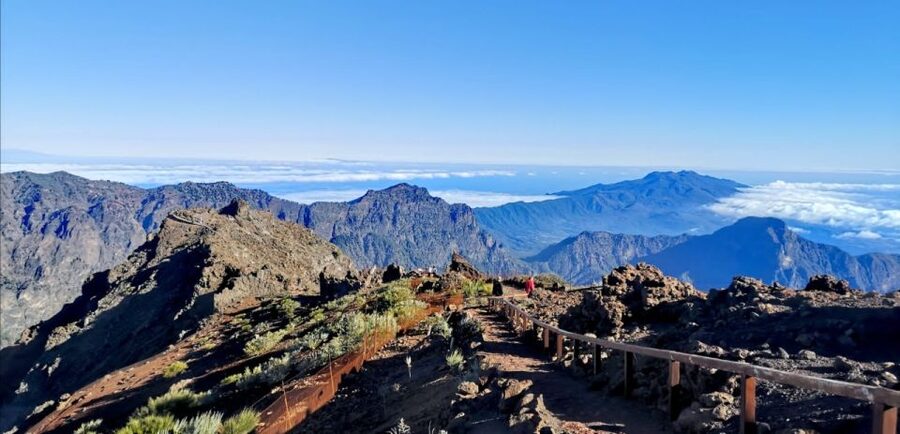
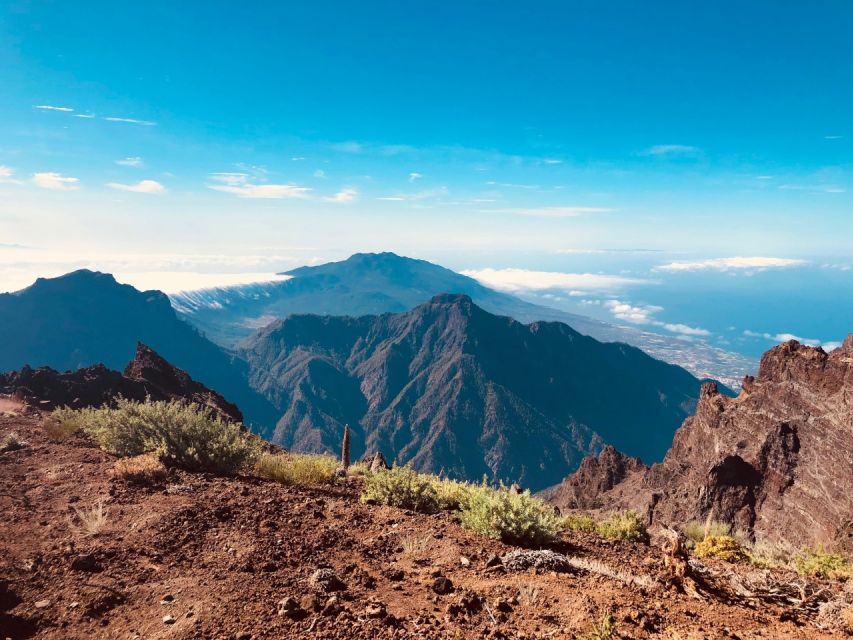
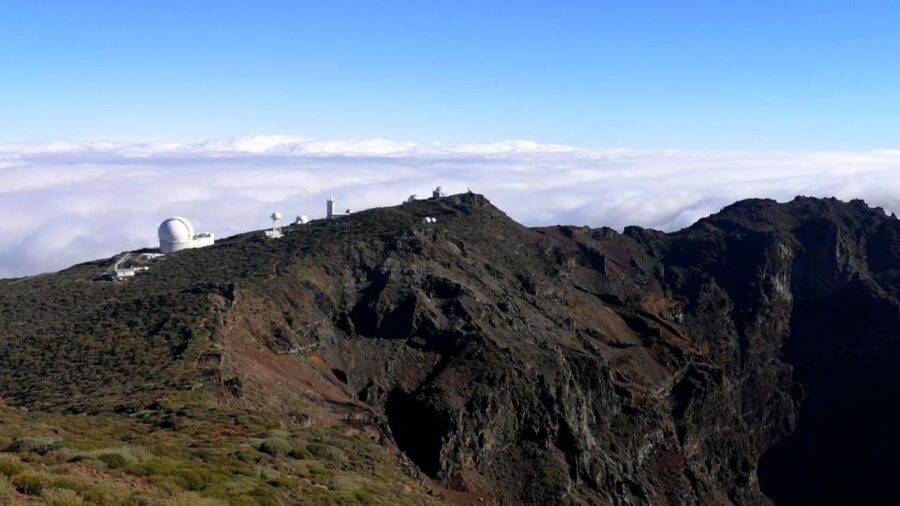
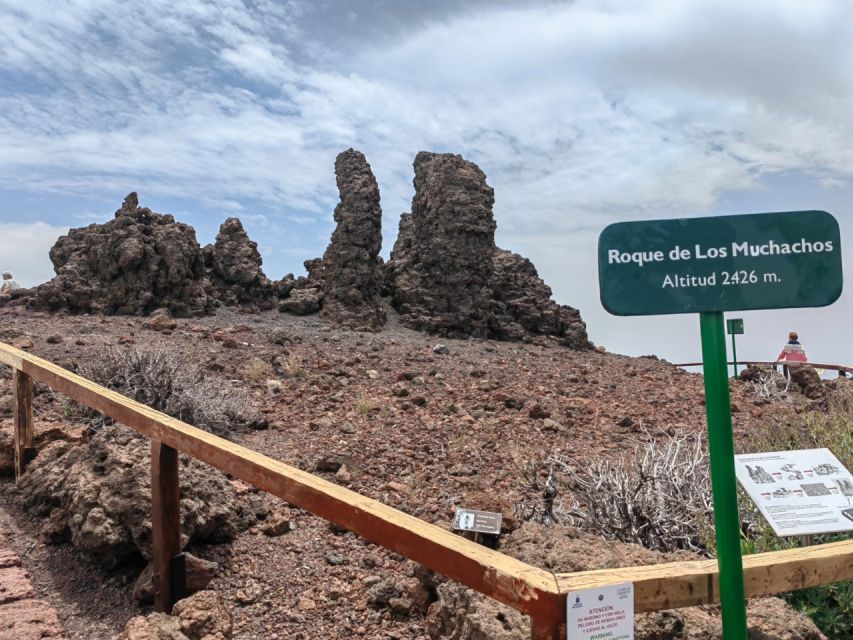
Then comes the big one: the climb to Roque de Los Muchachos, the highest point on the tour plan. The tour notes it as around 2,400 meters, and it’s famous for astronomical observation because of the quality of the sky—so internationally recognized telescopes are located here.
This is where you’ll feel the altitude in your body. Even if you’re not out of breath, your senses sharpen: wind feels colder, horizons look wider, and every direction looks like a different island postcard.
What I’d call out as the special part is the “you are inside the island” view. From up here, you look down over the Caldera de Taburiente, described as one of the largest erosion craters and a geological jewel. You also get sweeping ridges and, on clear days, you can see the silhouette of El Hierro, La Gomera, and Tenerife.
If you’re into stargazing, ask your guide what the observatories look for in the sky. Even without a telescope session, the explanation makes the whole place feel more purposeful than just another viewpoint.
Mirador de El Time to Mirador de Los Andenes: Barranco views from the bus window to the lookout
On the way back, the tour keeps giving you viewpoints, and you get a sense of how steep and carved La Palma can be. One stop is Mirador de Los Andenes, where you can see almost the entire bed of the Barranco de Las Angustias.
This is a great moment for understanding “scale.” From far above, you see how the valley cuts through the island and how far those slopes drop. It also helps connect the morning’s broad valley view with a closer, more dramatic version of the same terrain story.
Even if you don’t get a perfect photo, the mental picture sticks. It’s one of the quickest ways to grasp why driving and hiking on La Palma feel so different from flat places.
Royal Sanctuary of Our Lady of the Snows: a calmer cultural stop
After the high viewpoints and return drives, you’ll reach the Royal Sanctuary of Our Lady of the Snows. The tour highlights it because the image of the patron saint of the island is found here, which gives the stop a specific cultural anchor.
This isn’t just a “pretty building.” It’s a pause in the day where the island’s identity shows up through faith and tradition. If you like travel that includes people’s beliefs—along with geography—this stop adds balance.
Dress matters a bit here. You’re coming down from high altitude, and it can still be breezy, so bring that light windbreaker you packed for Roque.
Mirador de La Concepción: finish with Santa Cruz and the east coast
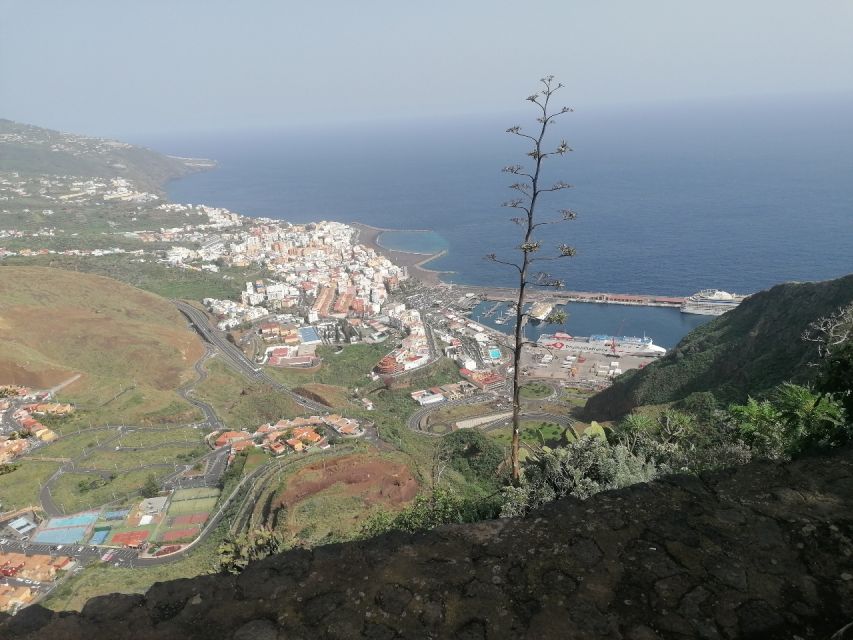
To end the day, you’ll get unbeatable views over Santa Cruz de La Palma, Las Breñas, and the east coast from Mirador de La Concepción. This is a smart way to close the loop because it shows you where you started from—without repeating the morning.
If the light is right, this final viewpoint is the easiest to enjoy slowly. You’re not racing to catch one more stop; you’re absorbing the full-day picture. Think of it as your visual summary: volcano history, high astronomy point, market culture, and east coast life all in one arc.
Price and value: what $50 buys you (and what it doesn’t)
At around $50 per person, the value is mostly in the logistics and the guidance. You’re getting an air-conditioned bus, pickup from multiple areas, and a live tour guide in English, German, or Spanish. For a day that covers multiple far-apart zones, that saves you time, driving stress, and figuring out routes.
The main thing you’ll pay extra for is food and drinks. Since those aren’t included, plan to treat the Puntagorda market as your meal stop, then add water and snacks you bring along for the longer viewpoint segments.
One more value angle: the guide makes the stops cohere. Instead of “look here, look there,” you get explanations tied to why each location exists in the story of La Palma—especially around the eruption viewpoint and the astronomy point.
What to bring so the day feels easy, not exhausting
This tour asks you to be comfortable on short walks and in wind and sun. I’d pack with intention:
- Comfortable shoes (some stops include uneven ground)
- A windbreaker (it can feel cooler at height)
- Sunglasses and a hat
- Camera/charged smartphone
- Sunscreen
- Food and water (food/drinks aren’t included)
If you forget water, you’ll feel it by late morning. The schedule includes driving and viewpoints, and the altitude can add to the dry, crisp feel.
Also, remember the tour ascends and descends on steep roads. If you’re sensitive to motion, choose your seat thoughtfully when you board.
Who this bus tour is best for
This is a strong fit for you if you want a broad overview of La Palma in one day, especially if you don’t want to drive. It’s also a good choice if you enjoy guided context—like understanding volcanic geography and why Roque de Los Muchachos matters for astronomy.
It may be less suitable if you use a wheelchair or have reduced mobility. The tour isn’t listed as suitable for people in a wheelchair or with reduced mobility, though the info says folding wheelchairs can sometimes be taken on the bus if requested in advance. If that’s your situation, I’d contact the provider before booking so you’re not surprised by what can’t be accommodated.
If you’re traveling with older kids or teens who like views, this kind of day works well—just keep an eye on comfort with heights and long periods in the vehicle.
Should you book this tour? My decision guide
Book it if you want the best “one-day hits” of La Palma: Roque de Los Muchachos, a volcano-era viewpoint at Plaza de Tajuya, El Time for Aridane Valley panoramas, Puntagorda’s market, and the sanctuary plus east-coast finale. The guided format makes it feel like a story, not a checklist, and it’s a smart way to see a lot without renting a car.
Skip it if you need a more relaxed pace, more time at fewer stops, or full accessibility. This tour has enough walking and enough steep driving that you’ll feel the physical side of the island.
One last note: the day is famous for stunning views, but it’s also long. Bring your patience for the morning start, and you’ll get a full day that feels like you learned La Palma’s geography the way locals understand it.
FAQ
How long is the La Palma highlights guided bus tour?
The tour lasts between 7.5 and 9 hours, depending on the starting time and the day’s schedule.
What’s included in the price?
Your ticket includes pickup from selected areas, an air-conditioned bus, and a live tour guide.
Are food and drinks included?
No. Food and drinks are not included, so plan to bring water and eat on your own during the day (the Puntagorda market is a good place to do that).
Which languages are offered for the live guide?
The live tour guide is available in English, German, and Spanish.
Is the tour wheelchair accessible?
The tour is not suitable for people in a wheelchair or people with reduced mobility. Folding wheelchairs can be possible if requested in advance, but they may need to stay on the bus depending on conditions.
What should I bring for the day?
Bring comfortable shoes, a windbreaker, sunglasses and a hat, plus a camera, sunscreen, food, and water. A charged smartphone is also handy.