
Naxos looks different when you cross the island by bus. I like how this tour mixes big-name sights with the everyday island stuff, especially the Demeter temple at Sangri and the Halki Citron distillery tasting.
The day is long, though, and the stops are a mix of guided time and short free-time breaks. If you’re hoping for only major archaeological sites, you may feel you spend more time in villages and viewpoints than in ruins.
In This Review
- Quick Hits Before You Go
- A One-Bus Tour of Naxos for People Without a Car
- Sangri’s Demeter Temple: A Real Ancient Anchor Point
- Halki Citron Distillery: Taste the Oldest Flavor of Naxos
- Village Stops and Working-Island Details: Chalkio, Damalas, and More
- Apiranthos Marble Streets: The Island’s Pretty-But-Real Center
- Apollonas Free Time, the Kouros, and a Beach Break
- Roads, Timing, and What to Pack for an 8-Hour Day
- Price and Value: What $41 Buys You (and What It Doesn’t)
- Should You Book This Naxos Historical Bus Tour?
- FAQ
- How long is the Naxos full-day historical bus tour?
- What does the price include?
- Are entrance fees included?
- Is pickup included, and where does it happen?
- Is there a minimum number of participants?
- Is this tour suitable for wheelchair users?
- What should I bring?
- Can I book and pay later?
Quick Hits Before You Go
- 10.5-meter Kouros at Apollonas: a standout statue stop tied to ancient myth.
- Citron tasting at Halki’s oldest distillery: a proper taste of local production.
- Marble Apiranthos walking + shopping: pretty streets plus real local stores.
- Sangri’s restored Demeter temple and small museum: a focused dive into island antiquity.
- Free time in Apollonas for swim or lunch: breaks up the bus day in a practical way.
A One-Bus Tour of Naxos for People Without a Car
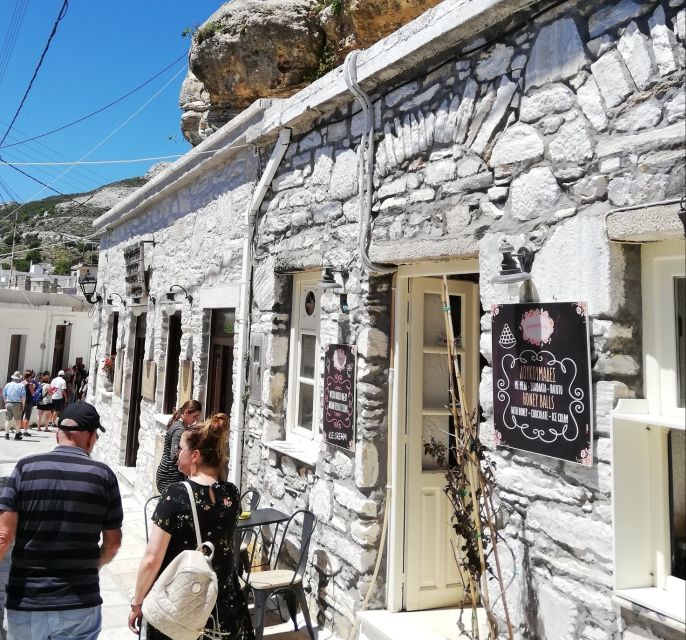
This is a smart choice when you want an overview of Naxos without renting a vehicle. You’ll get the bus coverage across inland areas, the north, and the west, plus stops that explain how the island has functioned through ancient times and into modern life.
I also like the value math. At $41 for an 8-hour outing, you’re paying for transport, a live guide, and a carefully structured day. Entrance fees are not included, so check what you’ll likely want to enter and plan a little extra budget.
One detail that really helps: pickup is offered at a long list of locations around Naxos. That matters because the more time you spend getting to a meeting point, the less time you actually have for the island.
For guide-led departures, you may be with island insiders such as Jacob, Thanos, Thomas, Nicolas, Dimitri, Natasha, or Vaso, based on past leadership. The common thread is clear narration and good pacing, with the driver handling narrow, winding roads like it’s routine.
Sangri’s Demeter Temple: A Real Ancient Anchor Point

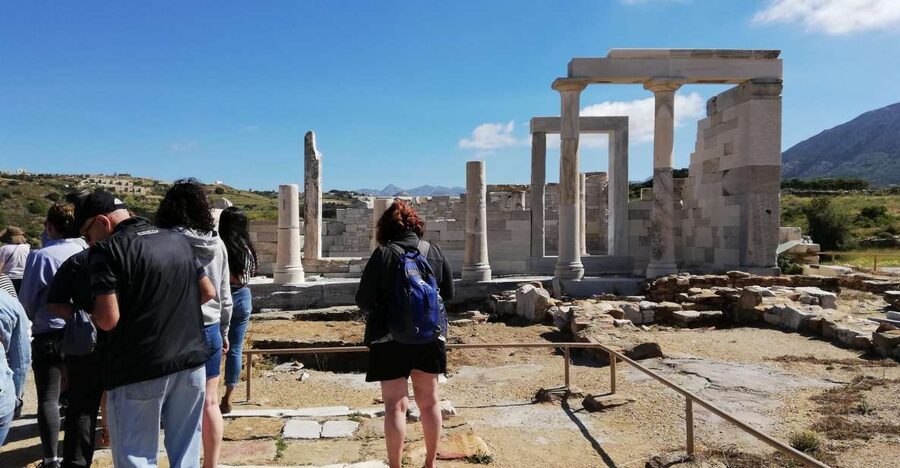
Sangri is where the tour briefly slows down and gives you an anchor in ancient Naxos. You visit the restored temple of Demeter, dated around 530 B.C., and you’ll also see a museum stop with local finds.
Why this stop works: Naxos is often described through myth and marble statues, but Demeter brings you back to daily life in antiquity—agriculture, seasons, and the rhythms that fed communities. Even if you only catch the highlights, it’s the kind of site that helps you understand what later stories were built on.
A practical note: this part of the day includes walking on uneven ground, so bring comfortable shoes. If it’s hot, take advantage of the guided moments to learn quickly, then step back out during any slower breaks.
Halki Citron Distillery: Taste the Oldest Flavor of Naxos
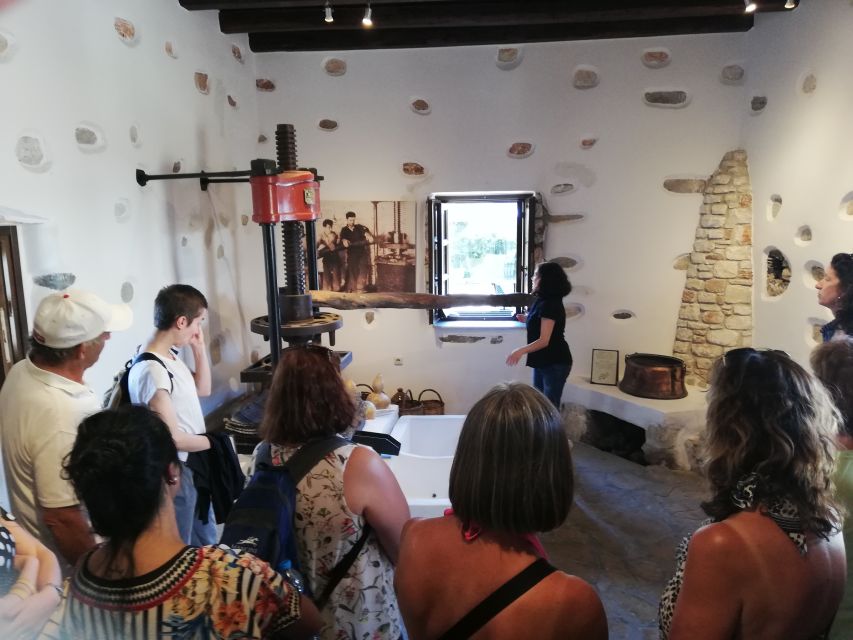
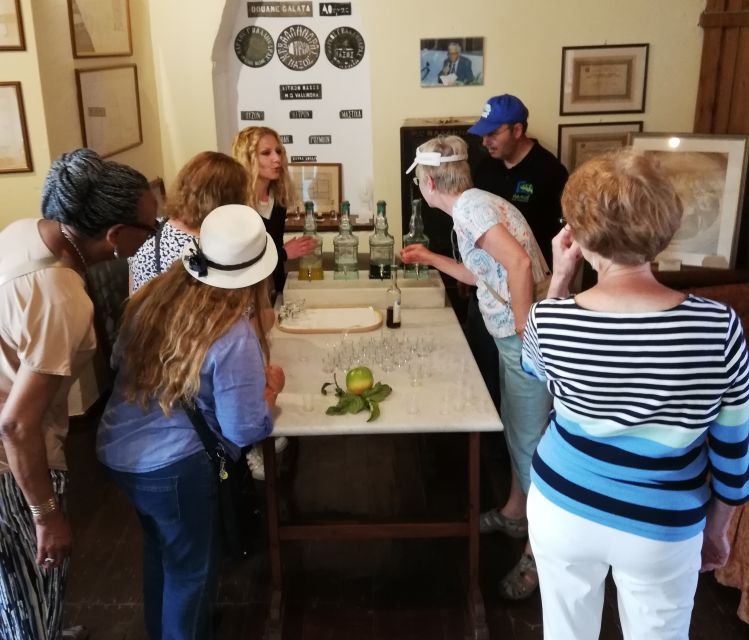
If you like the idea of learning through taste, Halki is the payoff. You’ll visit the M. G. Vallindras distillery, described as the oldest citron distillery on the island, dating back to 1896, and you’ll get a chance to taste the local citron liqueur.
This is one of those stops that feels small on paper but sticks in your memory. Citron isn’t just a drink; it’s a local product with a long-running craft story. You’re not just buying a souvenir, you’re tasting something made from a local tradition that has persisted.
Here’s how to get the most out of it: go in ready to pay attention to what the guide explains about citron and how it’s used. If you’re driving later (or just want to keep your energy), take the tasting in a steady way and don’t treat it like a race.
You’ll also want sunglasses and sunscreen here. Distillery visits tend to be timed during full daylight, and Naxos sun doesn’t ask permission.
Village Stops and Working-Island Details: Chalkio, Damalas, and More
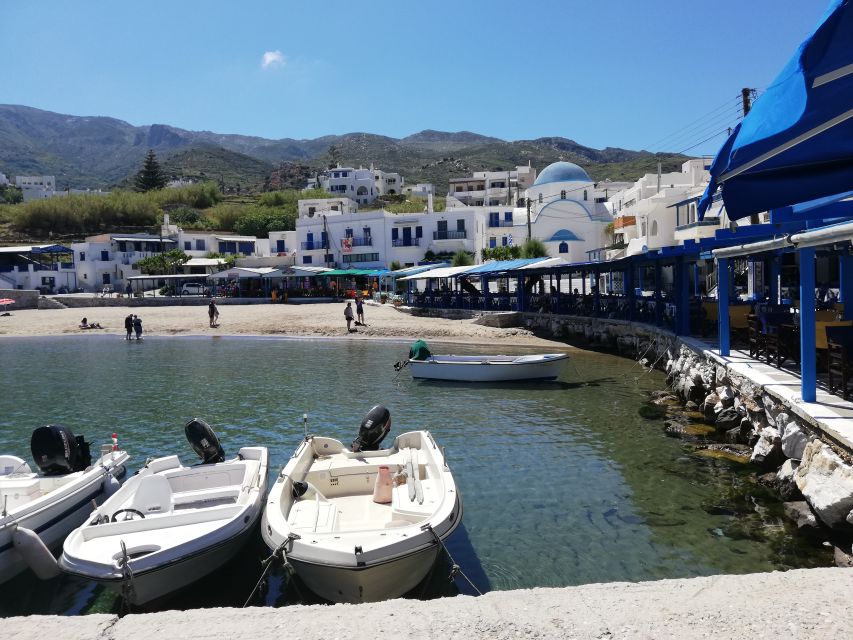
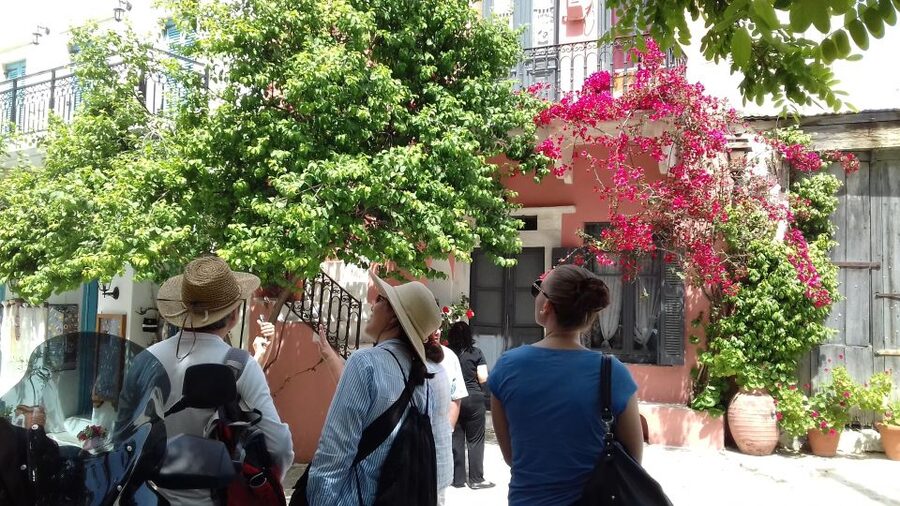
Between the anchor sites, the tour threads through smaller places that show the island’s texture. You’ll pass through areas such as Damalas and Chalkio, and you’ll have time for a pause—often the kind you need after hours on the bus.
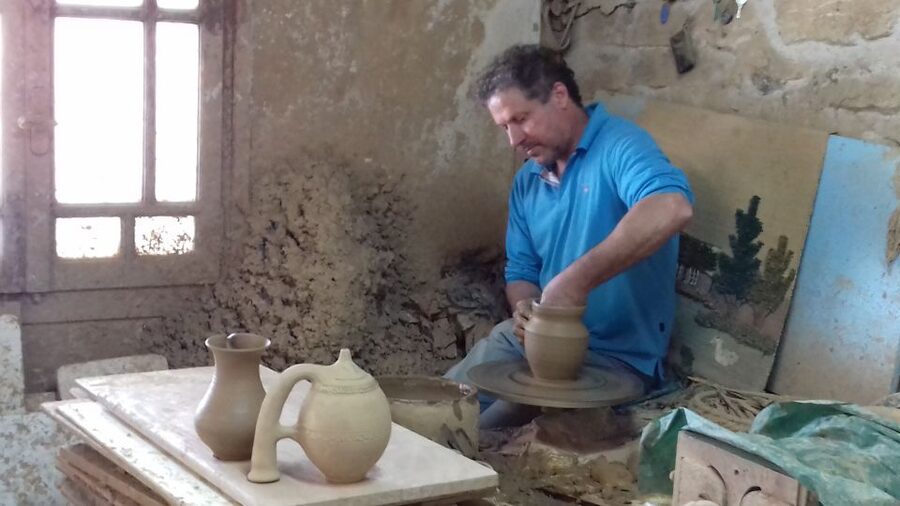
A couple of review-based highlights that you might run into on certain days: some tours include a stop related to local olive production and/or a pottery workshop where you can watch craft work across generations. Even when your schedule is tight, these stops give you context for what you’re seeing in the villages—people aren’t just living in pretty streets. They’re still making things.
There’s also a viewpoint-style moment built around industrial remains, including remnants of old emery mines and machinery. If you’ve ever wondered how minerals and work shaped Naxos, this is the quick explanation you get without reading a book.
One caution: the bus time adds up. Some roads are narrow and windy, and that can feel tense at times when the bus meets oncoming traffic. If you’re prone to motion sickness, plan for it.
Apiranthos Marble Streets: The Island’s Pretty-But-Real Center
Apiranthos is a famous village for a reason. You’ll walk through the marble town and have free time to explore and shop in local traditional stores.
This stop hits two needs at once: it’s scenic, and it’s practical. You get a compact walk where you can take photos, then you can actually browse—things to eat, small crafts, and the kind of gifts that look like someone made them on purpose.
The marble streets also help you understand Naxos identity. The village style feels cohesive: a place built from materials that shaped the island’s architecture. That makes the tour feel more like a tour of “place” rather than only “sight.”
Want to make the free time count? Decide your walking route quickly when you get there. Don’t drift. The tour’s day structure means you don’t have unlimited time, and it’s easy to spend 20 minutes just figuring out where to start.
Apollonas Free Time, the Kouros, and a Beach Break

Apollonas is where the tour shifts from inland and history back toward open views and downtime. You’ll get free time—often with options like swimming or lunch—and that matters because it breaks up the bus day.
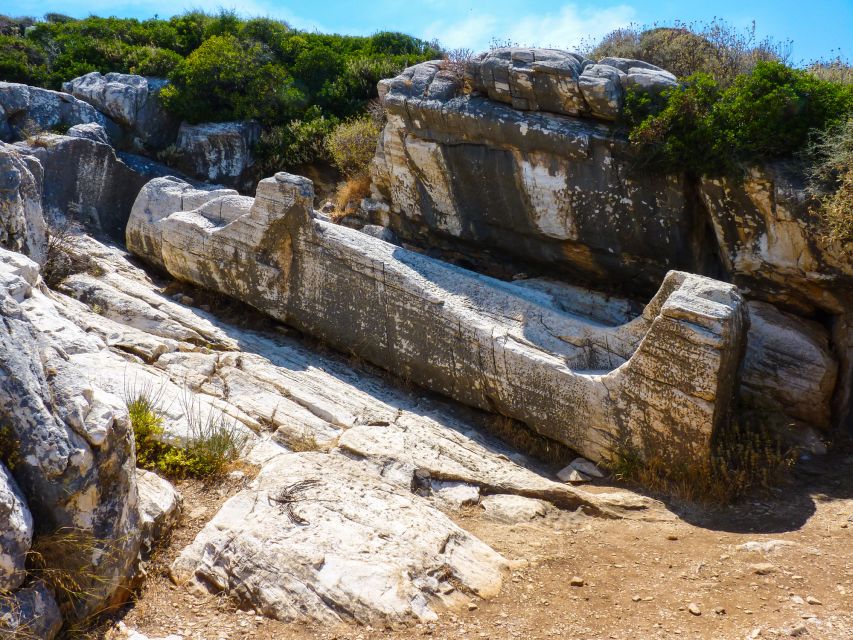
Then you go to the Apollonas Kouros, a 10.5-meter-tall statue. It’s often linked to ancient myth, connected to Dionysus, and it’s the kind of single-photo stop that still feels important. Massive scale does that. Even if you know the basics, you feel the impact when you see it in person.
Why this combo is smart: free time keeps the day from feeling like a checklist, and the Kouros gives you one last myth-and-art anchor before you head back. If you’re traveling with mixed interests—someone who wants ruins and someone who wants beach time—this section gives both.
Heat is the main thing to plan around. Naxos can be relentlessly sunny during midday, and free time can be either relaxing or exhausting depending on your timing. If you plan to swim, bring a swimsuit and a small towel. If you plan to eat, pick a place with shade and don’t wait until you’re starving.
Roads, Timing, and What to Pack for an 8-Hour Day
This is an all-day bus outing—eight hours is a long stretch even when the guide is good. The best tours handle that reality by staying organized. From what I’ve seen on similar island bus days and what people have emphasized here, the guides tend to manage time well and keep the day from feeling rushed at each stop.
Still, you should expect:
- A lot of bus time on narrow roads with frequent turns
- Shorter stop windows where you need to move quickly once you’re off
- Sun exposure during village walking and viewpoints
What to bring is spelled out for a reason: comfortable shoes, sunglasses, a sun hat, and sunscreen. Add one practical thing: water. The tour notes personal expenses aren’t included, so having your own water avoids stress.
Also note two limits you should respect: the tour is not suitable for wheelchair users, and pets are not allowed.
And one last timing reality: the tour requires a minimum of six participants to operate. On days when that minimum isn’t met, it can be canceled—so treat it as a plan, not a guarantee.
Price and Value: What $41 Buys You (and What It Doesn’t)
At $41 for the day, you’re paying for a whole-island overview with transport and a live guide. That’s good value if you want to see multiple corners of Naxos without arranging a rental car, dealing with parking, or stitching together buses on your own.
What’s not included: entrance fees. Depending on the sites you’re most interested in, you may want to budget a bit more so nothing feels like a last-minute surprise.
If you’re deciding between this and doing things independently, here’s the practical tradeoff:
- You lose flexibility, because the day runs on a set rhythm.
- You gain coverage, because the bus reaches places most people would struggle to string together in one day.
For people who love structure—pickup, guided narration, clear stop-by-stop pacing—this is a strong fit. If you prefer total freedom, you might prefer renting a car or building your own half-days.
Should You Book This Naxos Historical Bus Tour?
I’d book it if you want a full-day snapshot of Naxos with a mix of ancient sites, village walking, and a real local taste in Halki. The Demeter temple in Sangri, the citron distillery tasting, and the Apollonas Kouros give you three different ways to connect with the island—ancient worship, local production, and myth-meets-scale.
I’d think twice if your top priority is spending long stretches inside archaeological ruins. This is also time in villages and viewpoints, and the schedule rewards people who can move efficiently when they get free time.
If you go, go ready for the long bus ride, pack for sun and comfort, and treat each stop like a mini mission: learn fast with the guide, then enjoy your brief wandering window. That approach makes the whole day feel worth it.
FAQ
How long is the Naxos full-day historical bus tour?
The tour runs for 8 hours.
What does the price include?
It includes bus transfer plus a local and experienced tour escort in English, French, and Italian.
Are entrance fees included?
No. Entrance fees are not included.
Is pickup included, and where does it happen?
Yes. Pickup is available from a list of selected hotels and locations around Naxos.
Is there a minimum number of participants?
Yes. The tour requires at least six participants to operate. If the minimum isn’t met, the tour can be canceled.
Is this tour suitable for wheelchair users?
No. It is not suitable for wheelchair users.
What should I bring?
Bring comfortable shoes, sunglasses, a sun hat, and sunscreen.
Can I book and pay later?
Yes. The option is available to reserve now and pay later.
If you want, tell me your travel month and where you’re staying on Naxos, and I’ll help you estimate what parts of the day are likely to feel hottest and how to plan your free time.