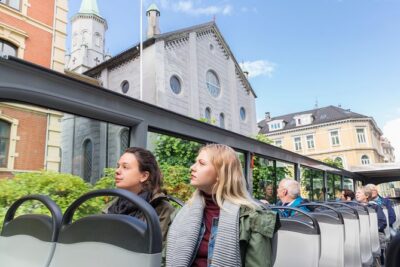
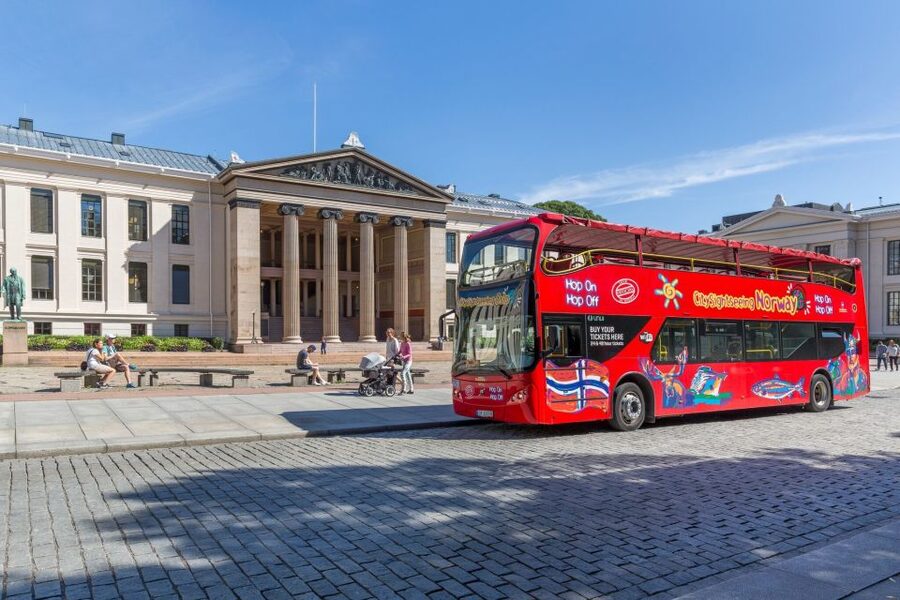
Oslo from the top deck is an easy win. This hop-on hop-off bus is a smart way to get panoramic views fast, then jump off for the museums and waterfront stops that fit your day. I especially like that it runs on eco-friendly electric buses and lets you pace yourself with a flexible 24- or 48-hour pass.
Two things I really like are how easy it is to find stops across central Oslo (including cruise-area locations) and the practical audio setup—8 languages with headphones, plus an option to use audio on your own device. One thing to watch: the audio system can be hit-or-miss depending on the headset at the moment, and a few people reported it wasn’t working well, so bring patience and consider having your own device audio ready.
In This Review
- Key things to know before you ride
- Why this Oslo hop-on hop-off loop works so well
- Price and what you’re really paying for
- The ride basics: timing, frequency, and how long you’ll be out there
- Where you board: Nationaltheatret and the stop network across Oslo
- How the open-top top deck changes your experience
- Stop-by-stop: what to do at each major area
- National Theatre / Royal Palace / Karl Johans Gate (Stop 1)
- Vigeland Sculpture Park + Oslo Museum (Vigeland area)
- Norwegian Museum of Cultural History
- Viking Ship Museum + Norwegian Maritime Museum (and the museum cluster)
- Kon-Tiki / FRAM / Norwegian Maritime Museum connection
- Opera House / MUNCH Museum area
- Cruise terminals and ferry-adjacent stops (Hjortnes, Filipstad, Tjuvholmen, DFDS-related areas)
- Akershus Fortress area and the surrounding waterfront vibe
- Audio guide: how to make it work for you
- Free Wi-Fi and why it’s more useful than you think
- Discounts on attractions: get your money’s worth
- Practical tips that can save your day
- Who this tour is best for
- Should you book this Oslo hop-on hop-off bus?
- FAQ
- How long is the Oslo hop-on hop-off bus tour?
- Is the ticket valid for 24 hours or 48 hours?
- How often do the buses run?
- Where is the first and last departure?
- Where can I board the bus?
- What language options are available for the audio guide?
- Does the ticket include entry to attractions?
- Are vouchers accepted on a phone or do I need paper?
Key things to know before you ride

- Open-top, double-decker views with 360-degree sightlines so Oslo’s waterfront and palace area look spectacular
- Electric-bus route with frequent service (every 30 minutes) so rain and traffic don’t stall your plans
- Lots of hop-off options aimed at major highlights like the Vigeland area, Viking Ship and the Opera House/MUNCH stops
- Cruise-friendly timing and stops with several pickup points near terminals and ferry areas
- Free Wi-Fi on board to check museum hours and plan your next jump
- Audio guide in 8 languages to help you connect the dots without needing a guidebook
Why this Oslo hop-on hop-off loop works so well
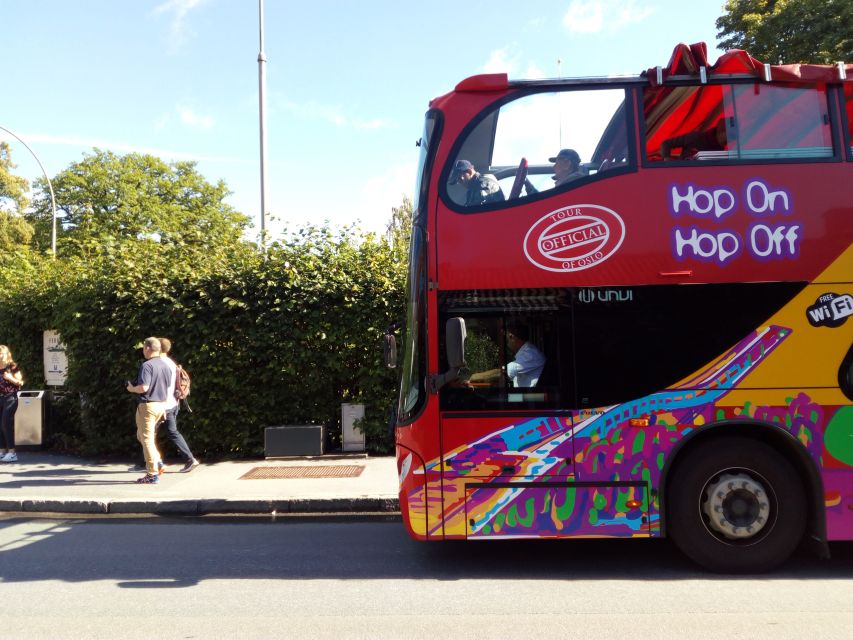
Oslo has a way of rewarding people who slow down. But you also don’t want to spend half a day figuring out buses, routes, and where to start. This City Sightseeing hop-on hop-off tour is designed for exactly that problem: get the big picture first, then choose your museum stops after you see where you’ll actually want to linger.
The bus itself is part of the appeal. You’re riding on an open-top, double-decker format, and the company uses electric buses—so the ride feels modern, and you get those wide views without fuss. The route is built around central Oslo and stretches toward key museum zones and the waterfront.
What makes the value click is the structure. The ticket gives you 24 or 48 hours, which means you can ride once for orientation and then use a second pass of the loop to hit anything you missed. That’s especially handy if the weather turns (Oslo can do that), or if you spend longer than expected at the Viking ships or the Fram-related museums.
And yes, the cruise angle matters. There are stops near cruise terminals and ferry points, which means you can make this a tidy “arrival day” activity instead of scrambling for local transport right when you get off the ship.
Price and what you’re really paying for
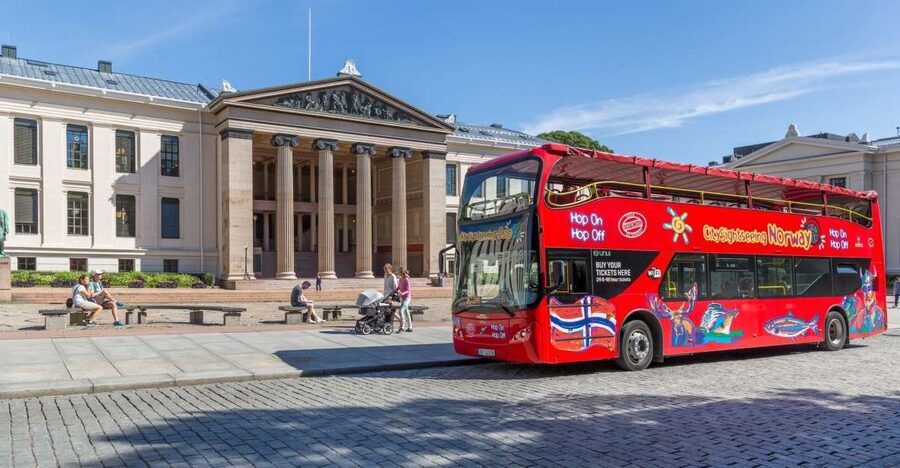
At about $46 per person, this is not a cheap bus ride. The good news is that your money is buying flexibility and time-saving, not just scenery.
You’re paying for:
- A 24- or 48-hour hop-on hop-off pass (so you’re not rushing)
- Free Wi-Fi onboard (rare on basic city tours, useful for planning)
- Audio guide in 8 languages with headphones, plus audio available on your own device
- Discounts on attractions (entry tickets are not included, but discounts can help if you’re doing multiple sites)
If you plan to do only one museum, you might feel sticker shock. If you’re aiming for two or three major stops (especially ones along the same corridor), the math tends to improve quickly because you’re bundling transport + interpretation.
The ride basics: timing, frequency, and how long you’ll be out there
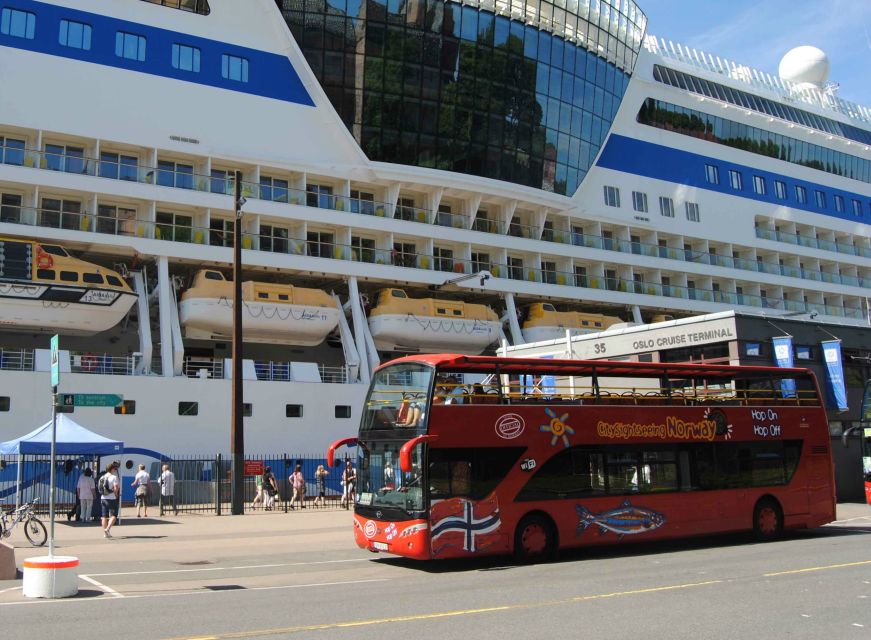
The loop takes about 90 minutes, and the buses run every 30 minutes. That frequency is the practical sweet spot: you can hop off, take a few photos, walk into a museum, and still trust there will be another bus soon rather than forcing you to sprint back.
Service starts with the first departure at 10:00am from the Nationaltheatret stop and runs until the last departure at 4:00pm. That’s a realistic window for a sightseeing day, but it also means you’ll want to plan your last hop-off with enough time to actually enjoy the area you choose.
Also, the tour is “hop-on, hop-off” in spirit. Some stops are more about quick photo views and orientation. Others are perfect for a full museum block. Knowing which is which makes your day feel smooth.
Where you board: Nationaltheatret and the stop network across Oslo
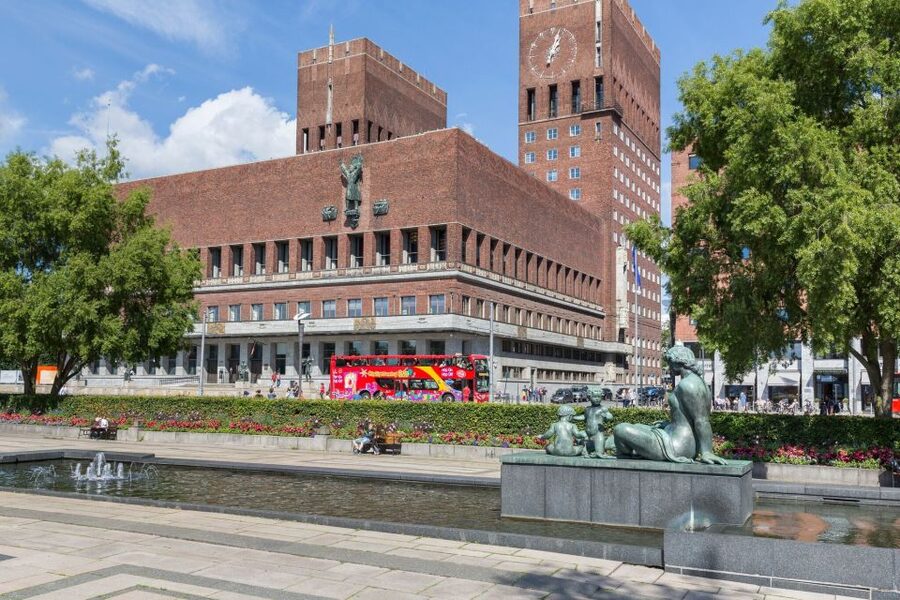
You’ll start at Nationaltheatret on Karl Johans Gate. That matters because Karl Johans Gate is one of the most central, easy-to-navigate corridors in Oslo. It’s also a helpful place to anchor your plan: once you’re on, you can build your day outward.
The route includes a string of hop-off points that cover both classic sights and the waterfront/cruise side of town. On the way, you’ll pass or connect through:
- Major central points like the Royal Palace area and Karl Johans Gate corridor
- The Vigeland Sculpture Park / Oslo Museum zone
- The museum cluster around Norwegian Museum of Cultural History
- Stops that align with the Viking Ship Museum and Norwegian Maritime Museum
- The Opera House area and the MUNCH Museum stop
- Several cruise and ferry-adjacent stops, including points near Oslo Cruise Ship Terminal, Color Line Terminal Hjortnes, and ferry terminals/DFDS-related areas
One small practical note: the first stop on the route is where you’ll get the best chance at a seat. If you’re riding on a cold or rainy day, that seat choice can matter for comfort and for hearing your audio clearly.
How the open-top top deck changes your experience
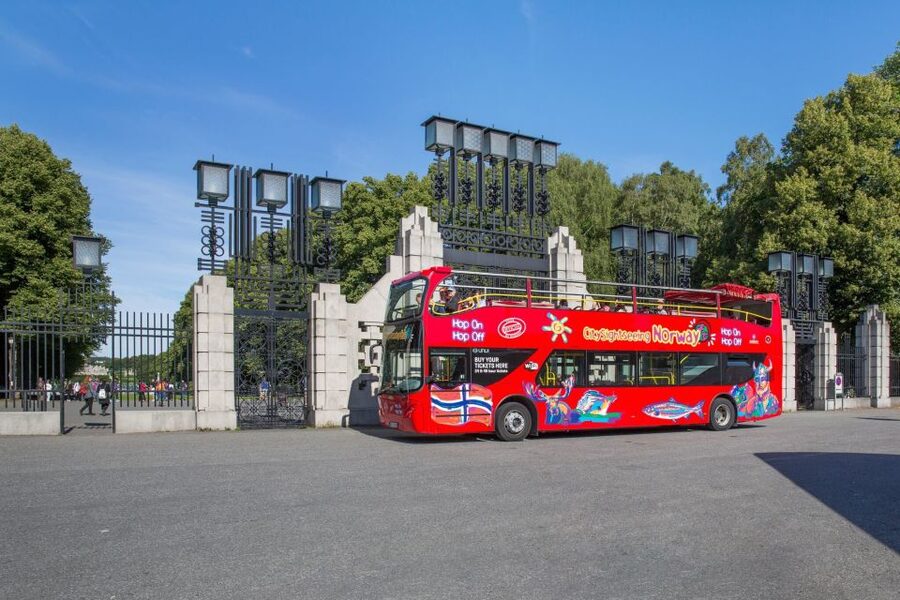
Oslo can look best in motion. From the upper deck you get broad sightlines—especially along the central city and water-adjacent sections. When it’s sunny, it feels like you’re collecting postcard angles without walking a mile between each one.
When the weather’s less friendly, the bus still helps. Instead of losing your whole day to rain, you can keep moving, take breaks at the stops you care about, and hop back on when you’re ready. A lot of people also like the rainy-day flexibility because it turns your sightseeing into a series of short outdoor hops, not a long trek.
One detail that can change your photo results: if you’re deciding between the upper deck with different window setups, choose the option that lets you see clearly and shoot from your seat. Some riders have pointed out that certain window types can make it harder to frame photos from the top deck.
Stop-by-stop: what to do at each major area
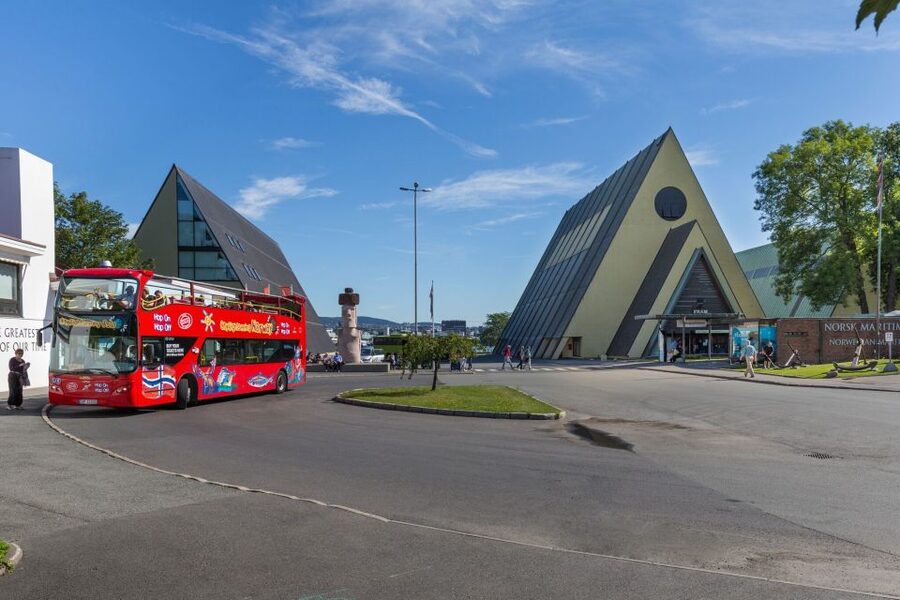
Here’s how I’d think about the stops, from “quick look” to “plan time.”
National Theatre / Royal Palace / Karl Johans Gate (Stop 1)
This is a strong place to start, because Karl Johans Gate puts you in the middle of Oslo’s central bustle. Even if you don’t hop off right away, the bus gives you an immediate sense of direction: where the main sights sit relative to each other, and how the city’s geometry flows toward the waterfront.
If you’re tight on time, you can also use this area as your “landmark reset” stop. Ride the full loop once for orientation, then return later and get the photos you want.
Vigeland Sculpture Park + Oslo Museum (Vigeland area)
This is one of Oslo’s most distinctive zones. Hop off here if you want a walk that feels more like sculpture and outdoor design than a pure museum stop. The bus stop also makes it easy to time your visit—spend the level of effort you want, then rejoin the loop.
If you’re traveling with limited time, I’d treat this stop as your mid-day decision point: it’s a great place to check whether you’re more in the mood for outdoor sights or indoor museums next.
Norwegian Museum of Cultural History
This stop is built for people who want context—how Norway’s culture and everyday life developed over time. The bus drop-off makes it easy to pair this with other nearby museum time, so you can create a longer indoor block without wasting transit time.
A small strategy: if you’re doing two museums in one day, build your schedule around the loop. Start with one museum, hop back on, and then come back around for the second. It reduces backtracking.
Viking Ship Museum + Norwegian Maritime Museum (and the museum cluster)
This is the stop set that people talk about because it’s classic Oslo. The Viking Ship Museum area is one of the city’s headline draws, and the maritime side adds depth if you’re into Norway’s seafaring story.
If you want a satisfying day without feeling scattered, this is where your “main event” should likely go. Give it enough time that you’re not rushing through exhibits just to catch the next bus.
Also, because the route connects multiple stops around these museums, you can do the Viking Ship portion and then continue to maritime history nearby, instead of trying to stitch together separate transit.
Kon-Tiki / FRAM / Norwegian Maritime Museum connection
This part of the route lines up with some of the most famous polar and exploration-related attractions. If you’re the type who likes big ideas—ships, expeditions, and what humans tried on the edge of the known world—this is the block that fits.
The upside of the bus setup is pacing. If you start here and decide you want to stay longer, you can. You’re not locked into one schedule.
Opera House / MUNCH Museum area
Even if you don’t go into museums, the Opera House area is worth the drop-off. It’s an architectural focal point, and the location gives you a nice shift from the museum core toward the waterfront feel.
The MUNCH Museum stop also means you can choose your art time based on what you’re actually feeling that day. One day you might want culture-light and just scenery; another day you’ll want the full museum visit.
Cruise terminals and ferry-adjacent stops (Hjortnes, Filipstad, Tjuvholmen, DFDS-related areas)
These stops are quietly smart. They reduce friction if you’re arriving or departing by ship, and they help you build a route that doesn’t depend on taxi availability.
If you’re on a cruise, this is often the difference between a smooth plan and a day that starts with stress. You can get onto the loop from the terminal zone, ride out toward central Oslo, then return without complicated logistics.
Akershus Fortress area and the surrounding waterfront vibe
Akershus is one of those Oslo anchors that makes the city feel grounded and historic. The bus makes it easy to reach without turning your day into a long walking project.
For many people, this becomes a “late afternoon” stop: you ride the day, do a museum or two earlier, then hop off for an atmospheric waterfront feel before wrapping up.
Audio guide: how to make it work for you
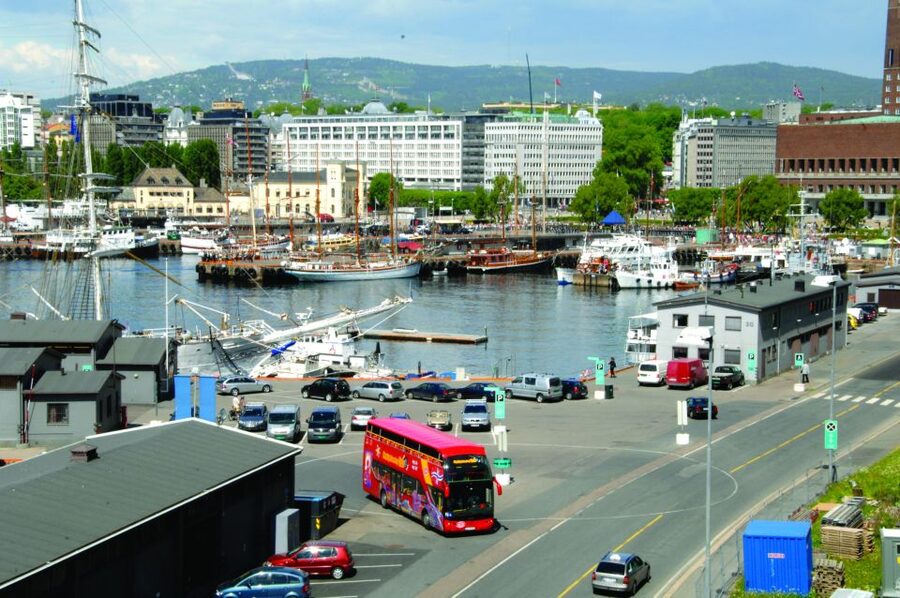
The audio guide is included and comes in English, Spanish, French, German, Italian, Dutch, Chinese, and Japanese. That language range is great for international groups and families.
How you use it matters. If headset volume or clarity isn’t perfect, switch tactics:
- Use your own phone audio option if you have it set up
- Move to a quieter spot on the bus if it’s too hard to hear
- Don’t worry if you miss a segment. Focus on grabbing the main context during key passing sights, then enjoy the rest through your own pace
A couple of riders have reported headset issues. That’s not something you can fully control, so I’d treat the audio as a helpful layer—not the only reason to go.
Free Wi-Fi and why it’s more useful than you think
Wi-Fi on board sounds like a nice extra. In practice, it helps you do better decisions in real time.
Use it to:
- Check museum opening hours before you commit to a stop
- Look up directions for the next walk once you hop off
- Confirm what you still want to see before you’re stuck at a stop with nothing to do
On a day with changing weather, that quick confirmation saves time. It can also prevent the classic vacation problem: you rush to a museum, find it’s closing soon, and then lose half your window.
Discounts on attractions: get your money’s worth
Entry tickets aren’t included, but discounts are. That means you should decide early which attractions you want to pay for, then use the bus discount to soften the cost.
If you’re trying to keep Oslo spend controlled, this is where your planning pays off. Pick your top two or three attractions along the route, then commit to them. The hop-on bus is the transport and the interpretation; the paid entries are the payoff.
Practical tips that can save your day
A few small things make a big difference with a hop-on hop-off setup.
- Start at Nationaltheatret if you want the best shot at a seat.
- If you’re traveling in rain, treat each stop as a quick decision. Hop off only where you can actually spend time.
- If you’re using vouchers on your phone, have a backup option in case something doesn’t scan as expected. Some people have had friction over whether a printed voucher is needed, even though the tour accepts both mobile and printed vouchers.
- Bring an ID or passport. It’s required to bring along.
- No pets, and no smoking. Keep that in mind if you’re traveling with family.
Who this tour is best for
This is a strong fit for:
- Cruise passengers who want an easy city orientation without fighting transit
- First-timers who need a quick map of where Oslo’s highlights sit
- Families who want flexibility rather than a tight guided schedule
- People who like using audio commentary to connect museum stops to the city outside
If you already know Oslo well and have a precise itinerary with minimal hops, you might feel like you’re paying for freedom you won’t use. But if you want structure without a rigid tour, this hits the middle ground nicely.
Should you book this Oslo hop-on hop-off bus?
I’d book it if you want an efficient first day that still feels like you’re in control. The combination of open-top views, frequent service, free Wi-Fi, and an 8-language audio guide gives you a simple framework: ride, choose, repeat over 24 or 48 hours.
Skip it only if you plan to do just one attraction and spend the rest of your time on your own walking route. In that case, a cheaper transit method might make more sense.
If you’re on a cruise, it’s even easier to justify. The route’s cruise-area stops help you start and end with less stress—exactly what you want when your schedule is set by the ship timetable.
FAQ
How long is the Oslo hop-on hop-off bus tour?
The tour duration is about 90 minutes per loop.
Is the ticket valid for 24 hours or 48 hours?
Yes. Your pass is valid for either 24 hours or 48 hours, depending on the option you choose.
How often do the buses run?
Buses run every 30 minutes.
Where is the first and last departure?
The first bus departure from Stop 1 (Nationaltheatret) is at 10:00am, and the last departure from Stop 1 is at 4:00pm.
Where can I board the bus?
The first stop is at Nationaltheatret on Karl Johans Gate. You can also board at stops including Frogner Park & Vigeland Sculpture Park, Norwegian Museum of Cultural History, Viking Ship Museum, Kon-Tiki Museum/FRAM/Maritime Museum, Oslo Cruise Ship Terminal, and the Opera House.
What language options are available for the audio guide?
The audio guide is available in English, Spanish, French, German, Italian, Dutch, Chinese, and Japanese.
Does the ticket include entry to attractions?
No. Entry to attractions is not included, though there are discounts on attractions.
Are vouchers accepted on a phone or do I need paper?
Mobile and printed paper vouchers are both accepted and can be redeemed at any of the stops.