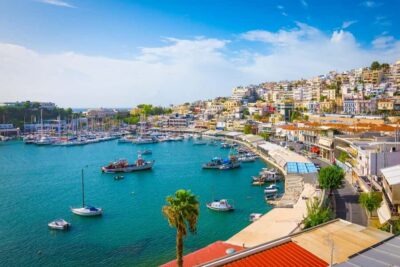
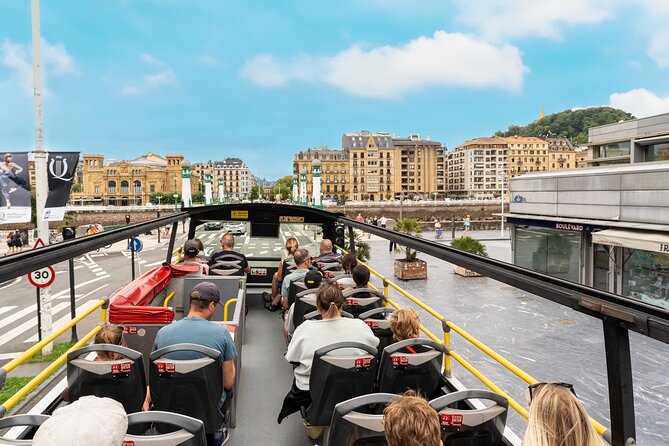
Hop buses are how I map San Sebastián fast. This one rides a double-decker route through the city’s big photo stops, and the whole point is your pace: hop on and off during the day without rushing. What I really like is the onboard audio with earphones, offered in 8 languages, so you’re not just staring out the window—you’re following the story of what you’re seeing as you go.
I also appreciate how practical the route feels. It connects the theater area, major promenades, and the stretch of beaches (including Zurriola and La Concha) in a way that’s easy to repeat as you explore. My main caution is that buses can be affected by city events, traffic, or force majeure, and if you’re expecting perfect timing, give yourself buffer time at busy stops—one bad pass can ruin your plan fast.
In This Review
- Key highlights to know before you ride
- San Sebastián by double-decker: why this works
- Price and value: what $19.16 actually buys you
- Audio in 8 languages: how to get more out of the ride
- Stop-by-stop: Teatro Victoria Eugenia to Plaza de Guipúzcoa
- Gros and the main beaches: Mirakruz Kalea to Kontxa hondartza
- The Wind Comb, funicular area, and the leap to Old Town
- When the timetable shifts: hours, rain canopy, and September changes
- Getting on and off: practical tips that save time
- Who this hop-on hop-off bus is best for
- Should you book this San Sebastián hop-on hop-off bus?
- FAQ
- What’s the duration of the San Sebastián hop-on hop-off tour?
- What are the opening hours?
- Is this a hop-on hop-off ticket or a one-time route?
- Does the bus have audio in different languages?
- Where is the first stop?
- Is there free cancellation?
Key highlights to know before you ride
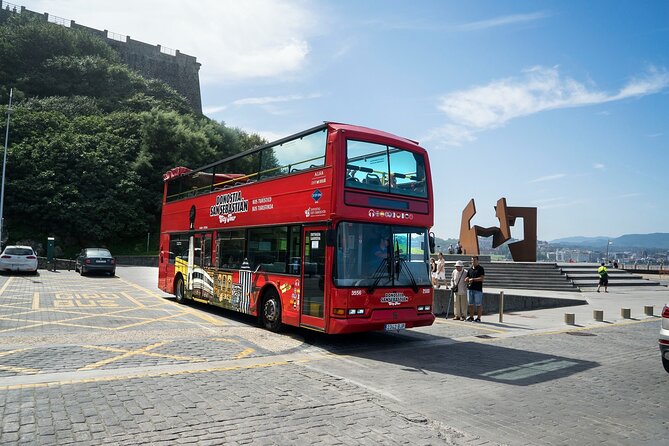
- All-day hop-on hop-off with one ticket so you can split the route into chunks instead of doing it all at once
- Audio in 8 languages with earphones to help you connect landmarks with the city story
- A beach-to-Old-Town sweep covering Gros and multiple shoreline areas, not just the center
- Stop sequencing matters if you’re hunting for specific spots, plan a full loop rather than skipping key stops
- Rain canopy + adapted buses make it easier when the weather turns
- Seasonal adjustment in September: Stop 1 shifts to Paseo de Salamanca during the San Sebastián Film Festival
San Sebastián by double-decker: why this works
San Sebastián is one of those cities where it’s tempting to do everything on foot—and then your feet start negotiating a truce. This hop-on hop-off bus is designed for exactly that moment. You get the benefit of a guided route without the pressure of a strict walking tour schedule.
The best part is how the bus ties together the city’s different “moods.” You’re not only going from one monument to the next. You’re also moving between promenades, plazas, neighborhood streets, and beach fronts. That matters because in San Sebastián, the vibe changes block to block. One stretch feels like a seaside promenade moment; another feels like a classic Old Town crawl. The bus is a clean way to string those scenes together.
Also, it’s built around choice. The duration is listed as about 1 hour for the ride concept, but the whole pitch is hop on and off across the day with the same ticket. That means you can do the loop once to get your bearings, then return to the stops you want to linger at.
Price and value: what $19.16 actually buys you
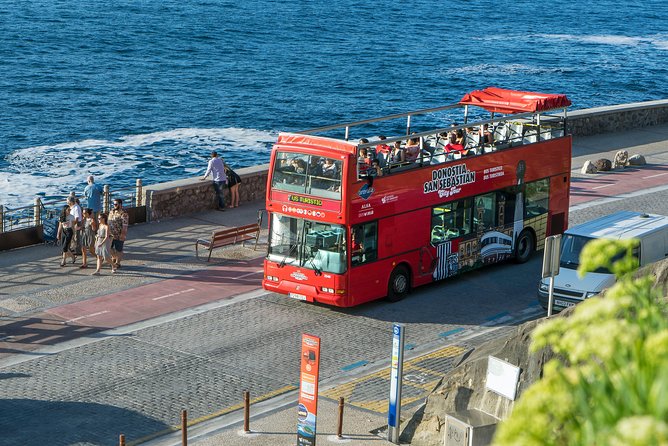
At about $19.16 per person, you’re paying for three things: transport, a route plan, and audio guidance. For a city that’s walkable but steep and spread out in spots, that combo can be real value.
If you’re only going to spend one day in San Sebastián, this bus can save time you’d otherwise spend figuring out where to go next. The stops cover a range—starting around Teatro Victoria Eugenia, swinging past promenades, reaching the beach strip, and finishing into the older historic area and the Miramar side.
Here’s the key value tip: treat the ticket like a tool, not a checklist. Do a first pass to learn the rhythm of the city, then hop off where you want to slow down. If you use it like that, the price can feel fair. If you mainly want one or two stops, another targeted option might be cheaper, because the bus only shines when you actually use it to move around.
Audio in 8 languages: how to get more out of the ride
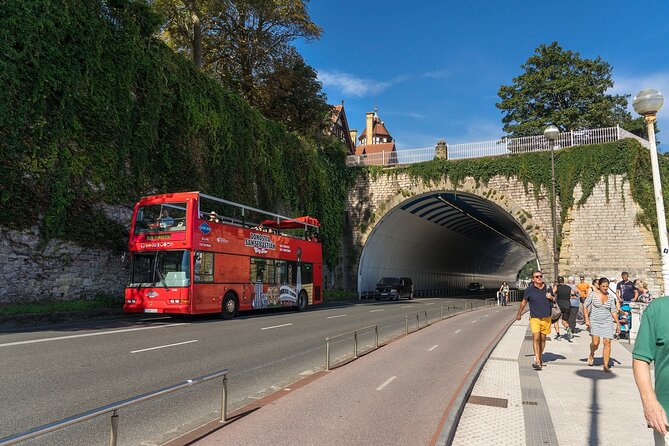
This is an audio-focused sightseeing tour, and it’s worth using that feature. The bus offers history context through a comfortable audio system, and earphones are available so you can listen clearly without blasting sound for everyone else.
Eight languages is a big deal because it turns the bus ride into real orientation. You’re not stuck guessing what you’re looking at while you’re moving past famous names like Zurriola Beach, La Concha (Kontxa hondartza), or the Comb of the Wind by Eduardo Chillida (1976). Even if you only catch parts of the narration while the car keeps rolling, it helps you connect the dots later when you’re walking on your own.
Practical move: ride, then hop off. Listen while you’re traveling, then step out at the stop that matches what you just heard. That turns the audio from background info into a “choose your next step” system.
Stop-by-stop: Teatro Victoria Eugenia to Plaza de Guipúzcoa
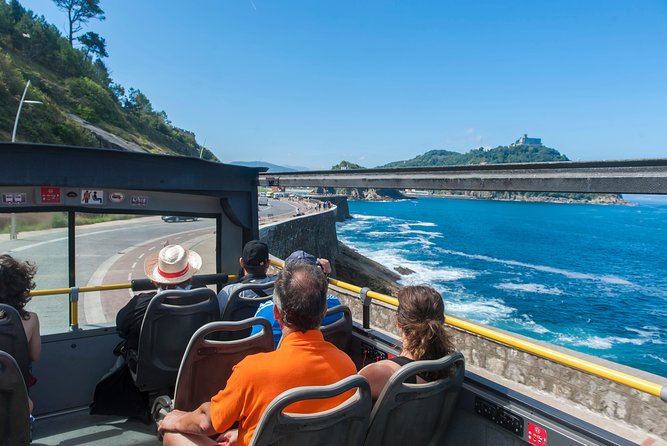
You’ll start at the Calle de la República Argentina area, in front of the Teatro Victoria Eugenia (Avd. República Argentina 2). This is a strong kickoff point because it places you near a central landmark and gets you onto the core promenade flow.
From there, the route heads to the Paseo Nuevo stretch, listed as Pasealeku Berria / Paseo Nuevo I and then Paseo Nuevo II. These stops are useful if you want that classic San Sebastián promenade view without thinking too hard about routes. You can hop off for quick photos, then re-board without feeling like you’ve lost your place.
Next comes Plaza de Guipúzcoa. Plazas are where it gets easier to switch from “looking from a bus” to “walking like you live here.” Even a short stop can help you reset—find your direction, check the vibe, and decide whether to move toward the beaches next or explore nearby streets.
Then the bus continues toward Paseo de Francia. This is another “promenade-style” stop that fits the city’s flow. If you’re building a day around viewpoints and shore air, these middle-city stops set you up for that.
What you can expect from this section: lots of scenery while you’re riding, and enough convenient stop points that you can break the route into manageable pieces. The main drawback here is also the main drawback of hop-on tours in general: your time depends on re-boarding. If you hop off and then get distracted for too long, you can find yourself waiting for the next bus.
Gros and the main beaches: Mirakruz Kalea to Kontxa hondartza
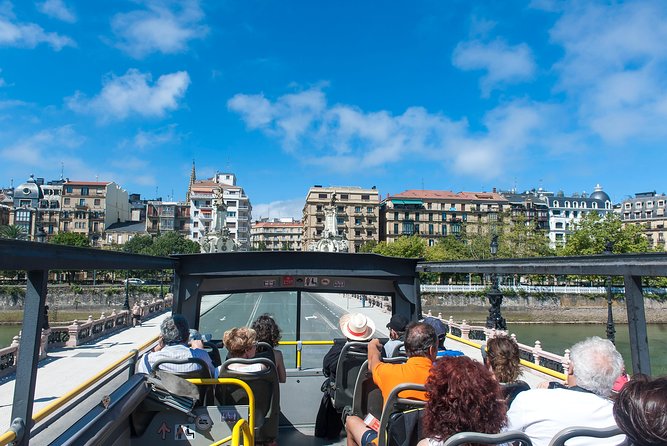
As the route moves on, it enters the Barrio Gros area at Mirakruz Kalea. Gros is a useful stop because it lets you step into the city outside the most tourist-squeeze promenade zones. Even if you only spend 10–20 minutes here, you get a sense of the neighborhood texture.
From Gros, the bus reaches Nafarroa Hiribidea. Think of this as a connector stop—less about a single landmark and more about moving you efficiently toward the seaside.
Then you hit the beaches proper, starting with Zurriola beach. This is one of the big public-facing shoreline stops on the route. Hop off here if you want to walk along the water or just enjoy the sea views while you’re orienting yourself.
After Zurriola, the bus goes to Zubieta Plaza. Plazas can be helpful waypoints. You’ll often find them easier to navigate around than a smaller street corner, especially if you’re juggling directions.
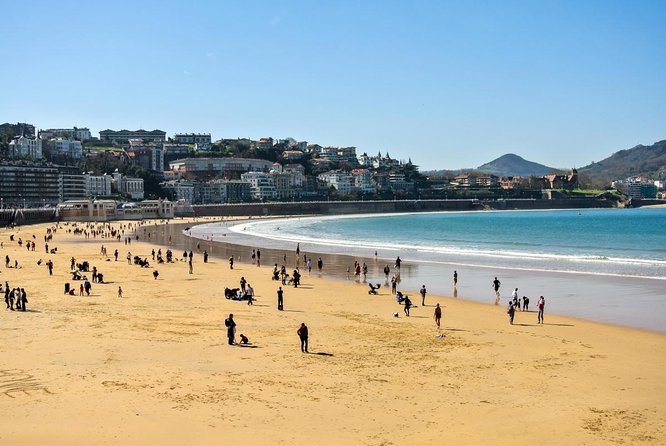
Next is Kontxa hondartza (La Concha Beach). This is the famous beach stop, and it’s the one most people want to time right. If you only visit one beach from the bus, this is the one to prioritize. Hop off for a longer look, and don’t treat it like a quick photo moment only—walk a bit.
Then the route includes Irutxulo Pasealekua / Ondarrieta Beach. This adds another shoreline element beyond La Concha and gives you a broader sense of how the coastline is laid out. If you’re the type who likes comparing beach atmospheres, this stop is worth your time.
One more note from my practical perspective: if weather is great, pick your beach stop and stay longer. If weather is unstable, use the bus to relocate quickly, then choose one beach to linger at when it looks best.
The Wind Comb, funicular area, and the leap to Old Town
After the beach sequence, the route includes the Comb of the Wind (Eduardo Chillida, 1976). Even if you don’t know the work in advance, this is an anchor stop because it’s tied to a specific creator and year. That makes it easier to remember later when you’re telling yourself what you saw.
Next is Funikular Plaza. This stop is all about the funicular-area setup. One review highlighted this as a must stop for panoramic views and an amusement-park style experience nearby, so if that’s your kind of add-on, plan extra time here. Even if you don’t ride anything, hopping off lets you regroup and enjoy the viewpoint energy the area is known for.
Then the route turns toward the Old Town with Antiguo / Barrio Antiguo / Las Esclavas. This is where the bus stops being a simple scenic ride and starts functioning like your shortcut into the historic center. If your day includes pintxos and winding streets, this is the stop you aim for when you want to slow down and explore without relying on a map.
From there, you reach Miramar Jauregia. The name alone tells you this is a notable palace-style stop on the Miramar side. It’s a good choice if you want to pair beach walking earlier with a more grand, viewpoint feel later.
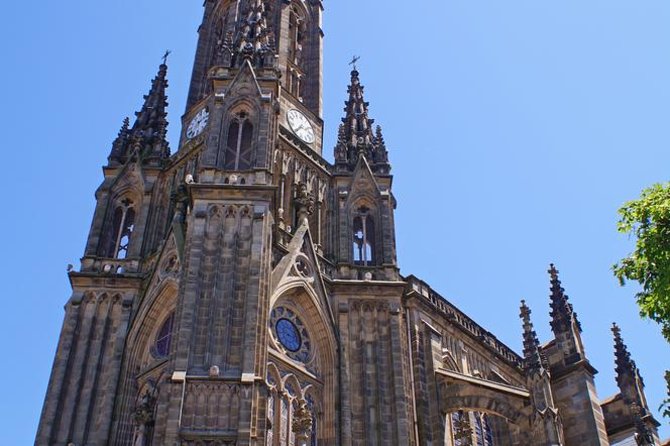
Finally, you arrive at Cathedral of the Good Shepherd of San Sebastian. This gives your loop a clear destination feel at the end. Even if you’re not the type to do long interior visits, the stop helps you finish with a recognizable landmark and a clean endpoint for your day.
When the timetable shifts: hours, rain canopy, and September changes
Timing is everything with hop-on hop-off. The route runs within seasonal hours:
- From 05/06/2025 to 10/31/2025, it runs Monday–Sunday, 10:30 AM–7:00 PM.
- From 11/01/2025 to 03/31/2026, it runs Friday–Sunday, 10:30 AM–5:30 PM.
That means late fall and winter planning needs extra care, because fewer days operate.
You also need to account for real city life. The information notes that the service may be affected by ongoing events, adverse traffic conditions, or force majeure reasons outside their control. In practice, that means your re-boarding timing can be less predictable than you’d expect on a quiet day.
For weather, the buses are adapted for people with reduced mobility and equipped with a canopy in case of rain. That’s a small detail, but it makes the ride more comfortable if you get a sudden drizzle.
One very specific heads-up: during the San Sebastián Film Festival in September, Stop 1 (Teatro Victoria Eugenia) moves to Paseo de Salamanca, about 150 meters from the usual stop. If your plan depends on starting right at Stop 1, double-check for this adjustment before you go.
Getting on and off: practical tips that save time

This tour uses a mobile ticket, and you should keep that handy for scanning when you board. Confirmation is received at booking, which can help you avoid last-minute stress.
Because hop-on hop-off buses can be busy at popular stops, my best advice is to treat boarding like a timed catch. Stand where the driver can clearly see you at the stop you picked. If you wait too far away, it’s possible to miss the bus even when you’re at the same general area.
Also, remember the route is a loop with multiple beach and promenade stops. If you want the best experience, don’t try to do every stop in one go. Instead, do this:
- First, ride the route to connect names to places.
- Then hop off at the stops you care about most and spend more time there.
That approach uses the strength of the tour—the way it organizes the city—without letting you feel trapped by the schedule.
Who this hop-on hop-off bus is best for
This bus suits you if you want a relaxed, structured overview. It’s a good fit for:
- First-time visitors who want an easy way to get their bearings
- People who like beaches and viewpoints but don’t want to walk every connector street
- Anyone who benefits from audio commentary in their language rather than relying only on signage
It’s less ideal if you have a tight, hour-by-hour plan and can’t handle potential delays from city events or traffic. Also, if you only care about a couple of isolated sights, the hop-on ticket might feel like overkill. The value is strongest when you actually use multiple stops during the day.
Also note: service animals are allowed, and the buses are adapted for reduced mobility. If accessibility is a priority, this kind of tour can reduce friction versus piecing together multiple transit and long walks.
Should you book this San Sebastián hop-on hop-off bus?
If you want an easy day in San Sebastián where you can bounce between theater-area streets, major promenades, beaches, and the Old Town, I’d say yes—this is a practical way to see the city without overthinking logistics. The audio in 8 languages plus earphones is the difference-maker, because it turns a sightseeing loop into something you can actually learn from as you go.
If you’re sensitive to delays, plan tight appointments right after boarding points, or hate the feeling of waiting at stops, then consider whether you’d rather do a walking-and-transit mix instead. The bus shines most when you give it some breathing room.
Bottom line: book it if you want flexibility and orientation. Spend your time wisely by choosing a beach stop to linger at and using the Old Town/Las Esclavas area for your longer exploration window.
FAQ
What’s the duration of the San Sebastián hop-on hop-off tour?
The tour is listed as about 1 hour (approx.) for the sightseeing ride portion, and you can hop on and off during the day with the same ticket.
What are the opening hours?
From 05/06/2025 to 10/31/2025, it runs daily 10:30 AM–7:00 PM. From 11/01/2025 to 03/31/2026, it runs Friday–Sunday 10:30 AM–5:30 PM.
Is this a hop-on hop-off ticket or a one-time route?
It’s hop on hop off all day, and it uses the same ticket throughout the day.
Does the bus have audio in different languages?
Yes. The history commentary is available in 8 different languages, and the system includes earphones.
Where is the first stop?
Stop 1 is on Calle de la República Argentina / Avd. República Argentina 2, in front of Theatre Victoria Eugenia. During the September Film Festival, Stop 1 shifts to Paseo de Salamanca, about 150 meters from the usual stop.
Is there free cancellation?
Yes. Free cancellation is available up to 24 hours in advance for a full refund. Cancel less than 24 hours before the start time and the amount paid is not refunded.