Few things beat Fuji views on a tight schedule. This 1-day Mt. Fuji and Lake Kawaguchi bus tour strings together the big-picture stops—Chureito Pagoda, Kawaguchiko lakeside, Oishi Park, and Saiko’s thatched-roof village—without you wrestling with transfers. I like that you get live guide commentary while the bus does the driving, and I also like that the timing is built around a full day yet still returns to Tokyo for dinner. One heads-up: the itinerary is fast, and at Chureito Pagoda you’ll climb stairs for the payoff, but you may not have ages to just wander and linger.
You’re basically buying convenience plus classic photo viewpoints. The group stays together on a bus (max 99), with optional lunch choices near Lake Kawaguchi. The value shows up if you want a clean, guided route from central Tokyo and you don’t want to plan around train times.
In This Review
- Key Points That Matter Before You Go
- A Day Built Around One Big Idea: Fuji Without the Hassle
- Price and Value: What $59.94 Really Buys
- Meeting in Shinjuku and How the Day Actually Moves
- Stop 1: Chureito Pagoda and Arakurayama Sengen Park Stairs
- Stop 2: Lake Kawaguchiko, Craft Park Browsing, and Optional Lunch
- Stop 3: Oishi Park for Flower-and-Fuji Photos
- Stop 4: Saiko Iyashi no Sato Nenba, Thatched Roofs by Lake Saiko
- The Guide Experience: Live Commentary Makes the Drive Worth It
- Group Size, Timing, and the Real World (Traffic Happens)
- November Note: Autumn Maples Change the Flow
- Who This Tour Fits Best (and Who Should Skip It)
- Should You Book This Mt. Fuji and Lake Kawaguchi 1-Day Bus Tour?
- FAQ
- How long is the Mt. Fuji and Lake Kawaguchi 1-Day Bus Tour?
- What does the tour cost?
- Is lunch included?
- Do I need to climb stairs during the tour?
- Where do I meet and where do I get dropped off?
- What is the cancellation policy?
Key Points That Matter Before You Go
- Central Tokyo pickup and Shinjuku-only drop-off keep your day simple, even if traffic steals time.
- Chureito Pagoda viewing needs stairs, so bring comfortable shoes and expect a short climb.
- Lake Kawaguchi craft shops and a lakeside stroll give you something beyond just photos.
- Oishi Park adds seasonal flower views for reflection-style Fuji shots on the lake.
- Saiko Iyashi no Sato Nenba includes entry, letting you slow down in a traditional thatched village.
A Day Built Around One Big Idea: Fuji Without the Hassle
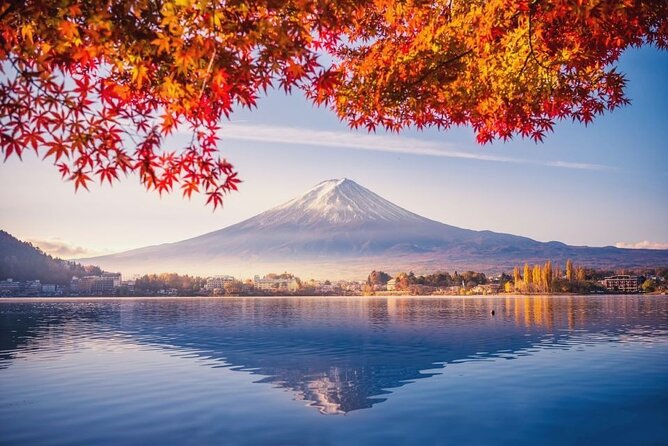
Mt. Fuji is famous for a reason, and it can also be a little annoying to reach efficiently. This tour’s main pitch is simple: you start in central Tokyo, ride in an air-conditioned vehicle with a guide talking the whole way, and hit the most photogenic Fuji areas in one go. No train changes. No timetable stress. No standing around asking strangers which bus comes next.
What I like best is that the day is structured around viewpoints people actually come for—then backed up with “Japan on the ground” stops. Chureito Pagoda gives you the iconic layered view. Lake Kawaguchi adds food and crafts. Oishi Park gives you the flower season photo moment. Saiko’s traditional village is where the day shifts from quick pictures to a more human pace.
Here’s the trade-off. This is a 9–10 hour day with multiple quick stops, so you won’t have a long, slow scenic day. If you’re the type who wants to linger an extra hour every time you see a view, you might feel rushed. If you’re okay with short, focused visits and want the convenience, this format fits well.
Price and Value: What $59.94 Really Buys
At about $59.94 per person, you’re paying for the guided transportation and the “already planned” route. The tour includes live commentary on board and an air-conditioned vehicle, plus admission is included for Saiko Iyashi no Sato Nenba. Chureito Pagoda and Oishi Park are listed as free admission, and Kawaguchiko Craft Park is part of the stop where you can browse.
Lunch is where the cost can swing. The lunch is optional, and you choose from several Yamanashi-area options and styles near Lake Kawaguchi: Wine Japanese Beef Steak (Wagyu), Houtou noodles, a Raw Salmon Bowl, or a Vegan Curry Rice option. If you skip lunch or choose something quick, you keep the budget closer to the base price. If you pick the wagyu or do a longer lunch, expect a bump.
I think the value makes the most sense for you if:
- You’d rather spend time looking at Fuji than planning logistics.
- You’re traveling on a moderate schedule and want a one-day hit.
- You don’t want to deal with late buses or missed connections getting back to Tokyo.
If you’re the DIY type with a car plan or you already know how you’ll get around Fuji by public transit, you might find a cheaper route. But you’d also be doing more work on your end.
Meeting in Shinjuku and How the Day Actually Moves
The day starts with a pickup near public transportation, with the listed meeting point at Shinjuku Post Office (1-chōme-8-8 Nishishinjuku). Arrive about 10 minutes early. The tour runs on time and the bus departs regardless of traffic or weather unless the operator notifies otherwise.
One practical detail that matters: the only drop-off option is Shinjuku (west exit of Shinjuku station). So if you’re heading somewhere else after the tour, plan that commute.
Also, your ticket is mobile, and there’s a QR code reference for the meeting point. That’s useful if you’re walking into Shinjuku and want fewer chances to wander to the wrong side of the station.
The schedule is subject to change due to weather and road conditions, and returning can be delayed. That’s the reality of the Fuji area. If you’re going to dinner reservations right after you expect to get back, keep your expectations flexible.
Stop 1: Chureito Pagoda and Arakurayama Sengen Park Stairs

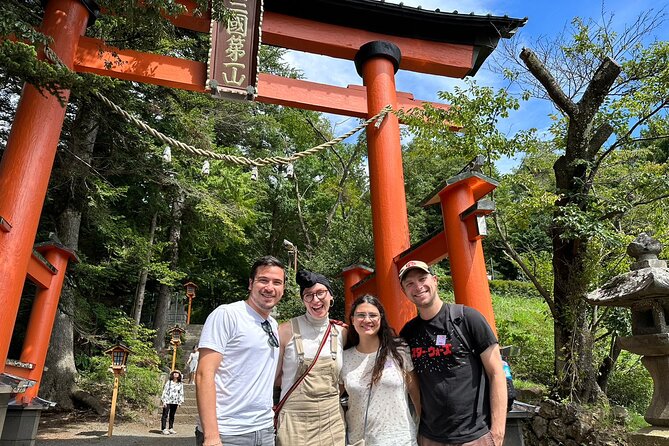
Chureito Pagoda is the opening act for a reason. This stop is built around Arakurayama Sengen Park, where you climb stairs to reach one of Japan’s most recognizable Fuji views—the pagoda framed with Mt. Fuji in the background.
You’ll spend about 1 hour total at this stop, and the key thing is that the “viewpoint” requires some climbing (stairs). This matters more than it sounds. Your time on this stop is not just walking in a flat area; it’s a quick vertical effort to get to the photo spot.
In practice, that means you should:
- Wear shoes you don’t mind climbing in.
- Go at a steady pace instead of rushing at the top.
- Use the hour wisely: climb, take your shots, then give yourself a few minutes to just stand there and take it in.
The best-case scenario is a clear day with Fuji showing nicely. The tour will go even if conditions are not perfect, unless the operator cancels due to weather. So your planning style matters: if you need Fuji in a crystal-clear frame, you’re always playing a bit of luck with any day trip.
Stop 2: Lake Kawaguchiko, Craft Park Browsing, and Optional Lunch
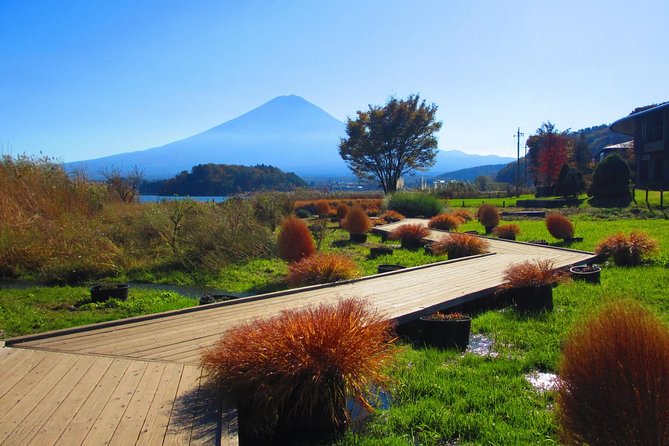
Lake Kawaguchi is where the tour shifts from “one iconic view” to “a full lakeside day.” You’ll visit Kawaguchiko Craft Park, located by the tranquil shores of Lake Kawaguchi. Expect browsing time for local crafts and the kind of souvenirs you’ll actually want to bring home—regional items rather than the same store layout repeated everywhere.
Then you get the option for lunch. This is one of the tour’s smartest details because it gives you control without forcing you into a single menu choice. You can pick one when you book:
- Wine Japanese Beef Steak (Wagyu): rare wine-fed beef raised using sake lees, described with a fruity aroma, subtle sweetness, and rich umami.
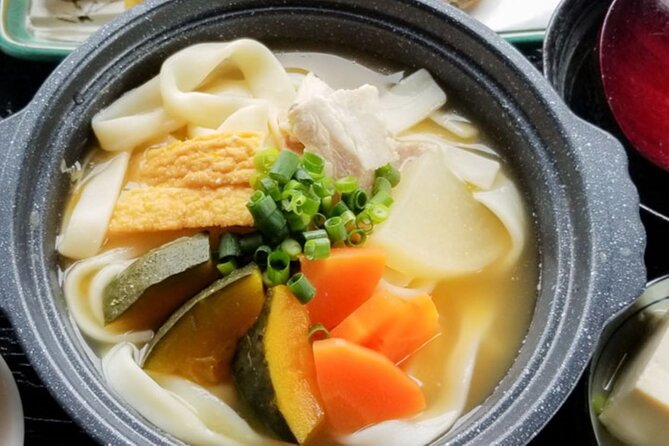
- Houtou noodles: wide noodles in a flavorful miso broth with seasonal vegetables—rustic, filling, and very Yamanashi.
- Raw Salmon Bowl: a direct lakeside flavor option.
- Vegan Curry Rice: a straightforward, comforting choice if you want something less seafood-forward.
After lunch, you’ll take a leisurely stroll along the shoreline. That slow-down is valuable. It turns the day from a checklist of views into a more normal human pace—walking beside water, catching breeze, and letting your brain reset between viewpoints.
Timing here is the other consideration. The tour tries to fit a lot in one day, so lunch and strolling can feel quick if your group schedule is tight. Still, this stop is likely the one where you feel the day is “doing more than just photos.”
Stop 3: Oishi Park for Flower-and-Fuji Photos
Oishi Park is a classic Fuji framing spot. It’s known for seasonal flowers all year long on the banks of Lake Kawaguchiko. The dream photo is flowers in the foreground and a Fuji reflection idea in the background.
Your stop is about 30 minutes, so treat this as a snapshot walk. This is not the place to wander for an hour with no plan. You’ll want to move with intention:
- Identify where you want your Fuji-with-flowers angle.
- Take a few minutes early for the wide shots.
- Then adjust for close-ups if conditions look good.
If you’re lucky with weather, Oishi Park can give you the most “postcard” feel of the day. If it’s cloudy or hazy, you’ll still get the flower scenery, but you might have to accept that Fuji may be more muted.
Stop 4: Saiko Iyashi no Sato Nenba, Thatched Roofs by Lake Saiko
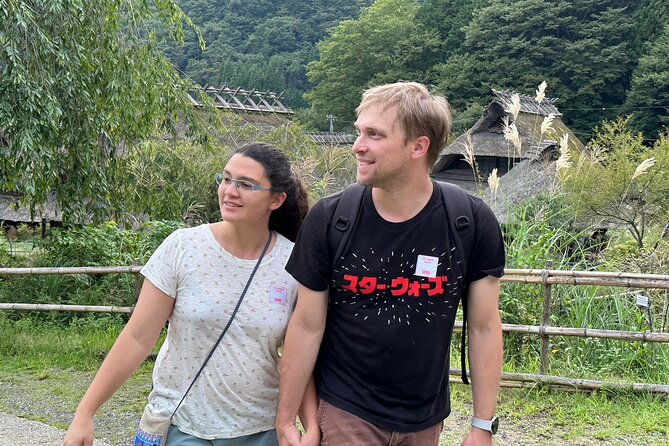
This is the stop that adds old Japan texture. Saiko Iyashi no Sato Nenba sits by the banks of Lake Saiko, and you’ll walk through a traditional village of thatched-roof houses—an easy change of pace from the bus-and-viewpoint rhythm.
Your time here is about 1 hour, and admission is included. That inclusion is worth noting because it makes the stop feel more complete: you’re not just passing through a parking-lot viewpoint, you’re entering an actual village-style experience.
If you want a day that feels more than sightseeing, this is where it happens. The architecture and village setting help you understand what the region looked like before modern road networks made everything faster.
Also, the village setting can be a calmer payoff after Chureito’s stairs and the shorter walks earlier. It gives you a place to slow down, browse small village shops or snacks if available during the visit, and let the day land.
The Guide Experience: Live Commentary Makes the Drive Worth It
One of the best reasons to choose a guided day trip is what happens in the bus itself. This tour includes live commentary on board, and you’ll get that as you’re driven around. Depending on the group, you might hear English and Chinese commentary on the same bus.
From the guide examples shared in past experiences, you can get a sense that personality matters here. People have praised guides like Mitsuko, Keiko, Eric, and Omar for keeping the day moving and making the ride informative. Even when the day is rushed, a good guide can still help you connect the dots between why each viewpoint exists and what you’re looking at.
That said, this is still a group tour. When you have a lot of people and limited stop time, the guide is managing logistics while you’re trying to enjoy the view. If your priority is slow travel, the guide can’t change the math of multiple stops.
Group Size, Timing, and the Real World (Traffic Happens)
This tour caps at 99 travelers, so you’ll feel the group energy at stops. That’s not a dealbreaker—just adjust your expectations.
Two timing realities show up in the experience pattern:
- Traffic can add time. The Fuji area road situation is unpredictable, and the return to Tokyo can take longer than you’d hope.
- Chureito Pagoda time is limited. If the stairs and viewpoint take longer for your group, your “just stand there” moments can shrink. People who were there with fast pacing managed to take pictures quickly but sometimes wished they had more time to truly enjoy the park.
The smart way to handle this is mindset. Don’t treat this as a wandering day. Treat it as a curated greatest-hits ride. You can still enjoy it a lot—you just need to accept that the schedule is designed for coverage, not endless lingering.
November Note: Autumn Maples Change the Flow
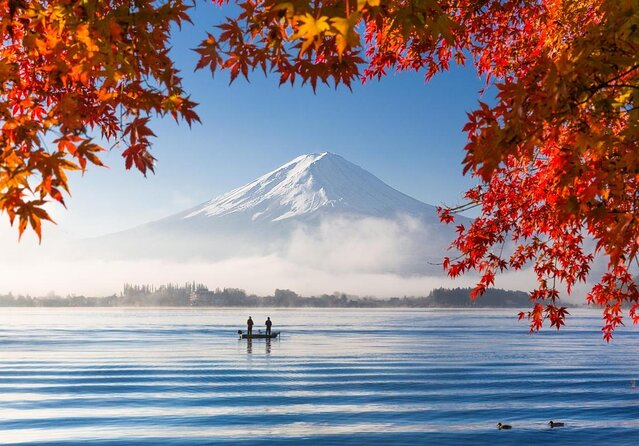
If you’re traveling in November, the itinerary adjusts to showcase fall foliage. After visiting Kawaguchiko Craft Park, the tour moves to a lake-side spot with a colorful corridor of more than 400 maple trees. That’s a specific seasonal upgrade and one reason to book during autumn if you care about foliage as much as the Fuji view.
Who This Tour Fits Best (and Who Should Skip It)
This tour is a great match if:
- You want a one-day Fuji overview with the easiest transfer setup from Tokyo.
- You enjoy guided explanations while riding between locations.
- You’re okay with short stop times and quick walks.
It may not be the best match if:
- You need long time at each stop to soak it in.
- You’re sensitive to crowd energy or tight scheduling.
- You strongly prefer DIY travel so you can control pacing minute by minute.
There’s also a moderate fitness note for the day overall. Since Chureito’s viewing platform involves stairs, plan accordingly.
Should You Book This Mt. Fuji and Lake Kawaguchi 1-Day Bus Tour?
I’d book it if you want classic Fuji stops with minimal planning, and you value the comfort of riding with a guide while the bus handles the route. The price makes sense when you factor in guided commentary, air-conditioned transport, and included admission at Saiko Iyashi no Sato Nenba. Add the optional lunch choices and you can tailor the day without turning it into a complicated food search.
I wouldn’t book it if your dream is a slow scenic day with lots of downtime, or if you’re counting on a long, unhurried Chureito Pagoda experience. This tour is designed to cover ground. The payoff is big, but the time is managed tightly.
If the weather is cooperating, this format is a very efficient way to see why Mt. Fuji dominates Japanese postcards—and why the surrounding lakes still feel like a world you can step into for a day.
FAQ
How long is the Mt. Fuji and Lake Kawaguchi 1-Day Bus Tour?
It runs about 9 to 10 hours, depending on driving and traffic conditions.
What does the tour cost?
The price is listed at $59.94 per person.
Is lunch included?
Lunch is optional. You choose an optional menu when booking at Lake Kawaguchi: Wine Japanese Beef Steak (Wagyu), Houtou noodles, Raw Salmon Bowl, or Vegan Curry Rice.
Do I need to climb stairs during the tour?
Yes. Reaching the viewing platform next to Chureito Pagoda requires climbing stairs, and the tour notes some physical effort is involved.
Where do I meet and where do I get dropped off?
Meet at Shinjuku Post Office in Nishishinjuku. The only drop-off location is Shinjuku Station west exit.
What is the cancellation policy?
You can cancel for a full refund up to 24 hours in advance of the experience start time.