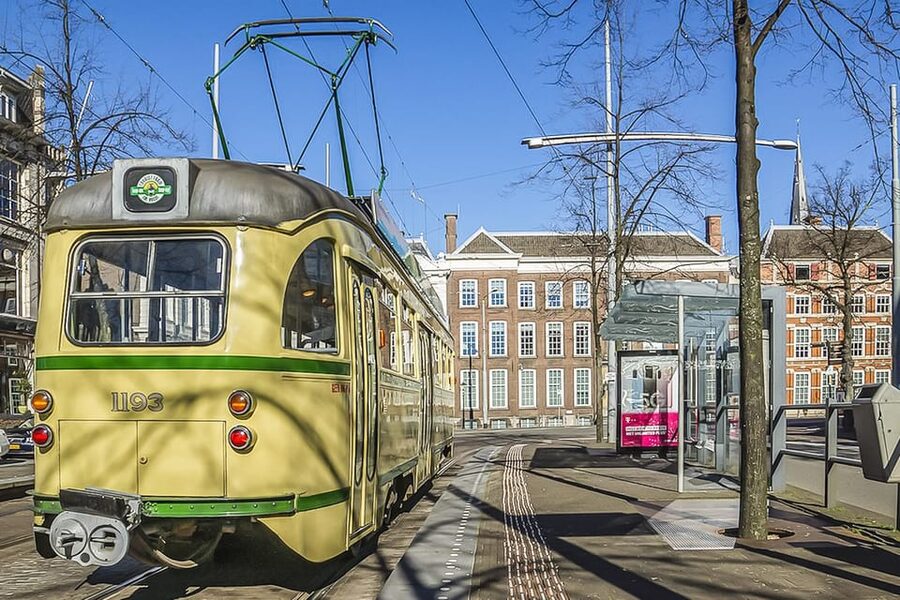
A historic tram tour is one of the easiest ways to see The Hague. I like the unlimited full-day access and the multilingual audio that keeps you oriented as the city slips by. One catch: the tram runs every 30 minutes, so you’ll want to plan a little around that waiting time.
You can start at any of the 16 stops (including Centrum and Central Station) and hop off for the big sights like the Parliament area and the Peace Palace. You’re also set up for a beach detour at Scheveningen via the Kurhaus stop. My only caution is that this is not step-free, and narrow doors can make it tough for mobility needs.
In This Review
- Key things you’ll notice fast
- A 65-Year-Old Tram Turns Sightseeing Into a Practical Plan
- The main tradeoff: you move in tram time
- Hop-On Hop-Off Loop: Stops, Timing, and How to Use It Like a Local
- When it runs (so you don’t get stuck)
- How to find your stop without stress
- The Audio Guide: Your 10-Language City Brain
- How to get the most from the audio
- Stop-by-Stop: What Each Part of the Route Gives You
- Stop 1: Gravenstraat (city-centre starting point)
- Stop 2: Centrum
- Stop 3: Centraal Station
- Stop 4: Malieveld
- Stop 5: Madurodam
- Stop 6: Nieuwe Duinweg
- Stop 7: Kurhaus (your Scheveningen doorway)
- Stop 8: Zwarte Pad
- Stop 9: Keizerstraat
- Stop 10: Statenlaan
- Stop 11: Frederik Hendriklaan
- Stop 12: World Forum / Johan de Wittlaan
- Stop 13: Vredespaleis / Peace Palace (major highlight)
- Stop 14: Mauritskade
- Stop 15: Kneuterdijk
- Stop 16: Kerkplein
- Scheveningen Day: Kurhaus + Beach Time Without Headaches
- Value for $21: When This Ticket Makes Sense
- When it might not be the best deal
- Comfort, Access, and Practical Rules to Know
- Narrow doors and no step-free access
- On-board rules
- The Small Friction Points That Matter (and How to Work Around Them)
- Stop signage and finding the boarding point
- Wanting to know which stop the tram is at
- Audio volume quirks on certain segments
- Who Should Book This Heritage Tram Tour?
- So, should you book it?
- FAQ
- What time does the hop-on hop-off tram operate?
- Where can I board the tram?
- Is the audio guide included, and what languages are available?
- How often does the tram leave?
- Can I eat or drink on the vehicle?
- Is the tram accessible for wheelchairs and mobility impairments?
Key things you’ll notice fast
- 65-year-old heritage tram ride with all-day unlimited use
- 16 hop-on stops, including Centrum and Centraal Station areas
- Audio guide in 10 languages with included earphones
- Easy Scheveningen access using the Kurhaus stop
- Every 30 minutes service between 10:15 and 16:45
A 65-Year-Old Tram Turns Sightseeing Into a Practical Plan
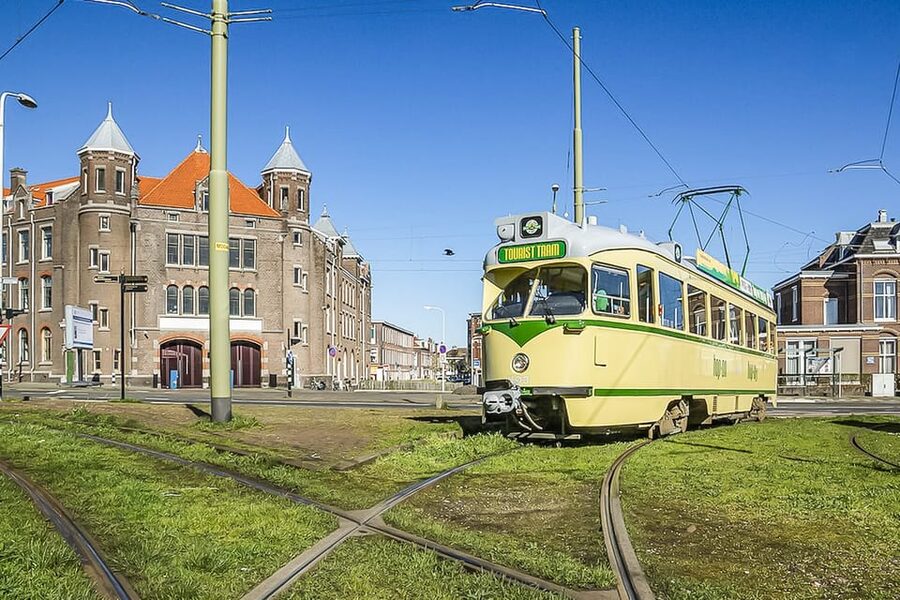
The Hague can feel “spread out” unless you have a simple way to travel. This heritage hop-on hop-off tram is exactly that tool: you buy a day ticket, then ride the same route as much as you want. What makes it special isn’t just the hop-on flexibility. It’s the fact that you’re on a historic Dutch tram—not a generic bus—so the experience feels tied to the city rather than stamped from the outside.
The other big win is that the tour doesn’t assume you know what you’re looking at. The audio guide gives context with an engaging narration and earphones included when you board. If you like walking and then being “caught up” by commentary on the next ride segment, this format fits your pace well.
The main tradeoff: you move in tram time
Hop-on hop-off tours can either be super free-flowing or kind of schedule-based. This one is the schedule type: the tram operates every 30 minutes from 10:15 to 16:45, with frequent enough departures to keep you moving, but not so frequent that you can ignore timing. If you step off for a long stop, you’ll likely wait for the next tram.
Hop-On Hop-Off Loop: Stops, Timing, and How to Use It Like a Local
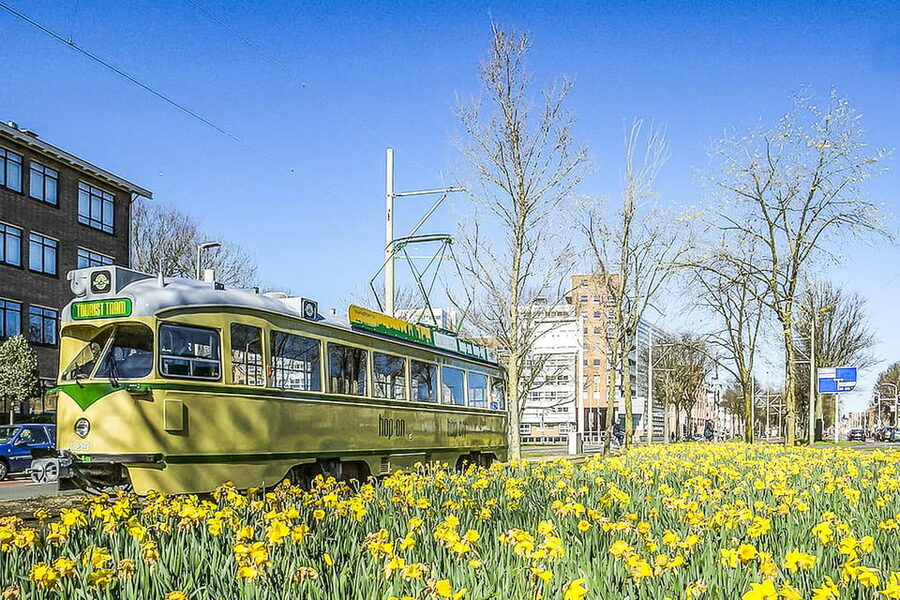
You can board at any of the 16 stops all day, which is a huge convenience. Stop 1 is at Gravenstraat (city centre), but you don’t have to start there. If you’re already near Centrum or Central Station, you can start at the stop that matches your day.
When it runs (so you don’t get stuck)
- Service runs every 30 minutes from 10:15 AM to 4:45 PM
- The first departure from Stop 1 is 10:15 AM
- The last full round departs 4:45 PM from Stop 1
That last detail matters more than you’d think. If you arrive late and plan to do one last loop, you might feel rushed trying to catch it. I’d treat 4:45 PM as your hard “wrap-up by” moment rather than something you can stretch into.
How to find your stop without stress
Each stop is marked with a Tourist Tram sticker on the stop post. That sounds easy—until you get there and realize signage can be inconsistent in real life. One of the most repeated practical issues is that people can struggle to spot the boarding point, especially at the meeting locations where signs aren’t always obvious.
Your best move:
- Arrive with the stop list open and double-check the nearest stop name.
- If it’s unclear, ask nearby staff rather than guessing. The helpfulness of people on the ground seems to be a real strength here.
The Audio Guide: Your 10-Language City Brain
This is not just a sightseeing loop; it’s an audio-first experience. The tram includes an audio guide in 10 languages, with options that include Dutch, English, French, Spanish, Italian, German, Russian, Chinese, Japanese, and even the The Hague dialect.
Earphones come with your boarding, which is a comfort detail. You won’t be fumbling with your own gear right at the stop in cold wind or rain.
How to get the most from the audio
The audio is what turns “I’m passing buildings” into “I know what I’m seeing.” Here’s how to use it efficiently:
- Listen most actively during the longer rides between major stops.
- When you hop off for a quick photo walk, switch to lighter listening so you don’t get mentally pulled in two directions.
- If you notice any segments where the sound seems odd or too loud, just lower the volume and continue. The overall clarity tends to be solid, and most of the value comes from the big landmark sections.
Stop-by-Stop: What Each Part of the Route Gives You
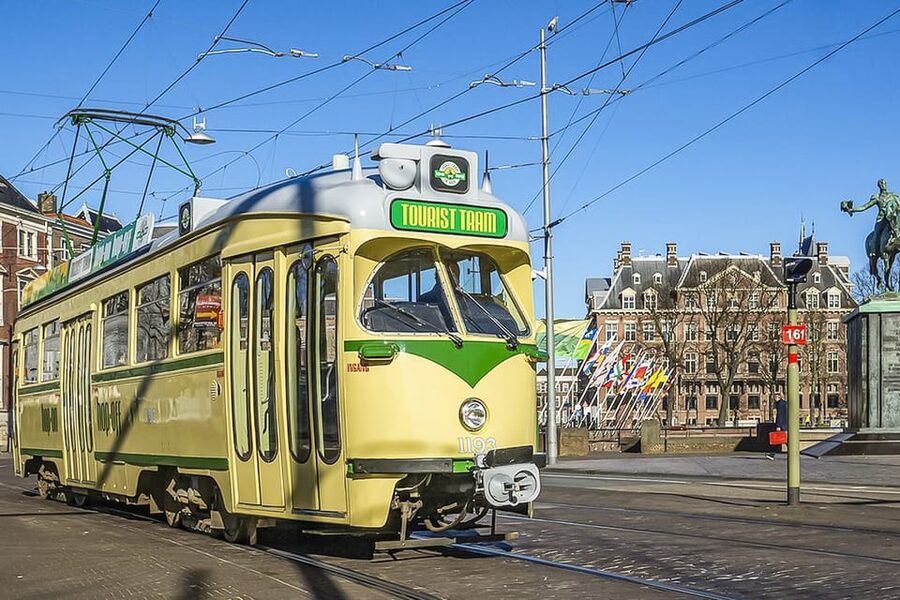
You get 16 hop-on stops, and the route is built around the sights people actually want in The Hague: government landmarks, a major international icon, and the beach area.
Below is a practical way to think about each stop. I’ll focus on what the names and highlighted areas tell you, plus what each stop is best for in a self-planned day.
Stop 1: Gravenstraat (city-centre starting point)
Starting here is a natural choice if you want to begin in the centre and build outward. Gravenstraat puts you in the city core, which is convenient for pairing tram segments with shorter walks.
Stop 2: Centrum
If you’re using the tram to connect day-to-day errands with sightseeing, Centrum is a handy anchor. Hop on here when you want to keep your day compact and not lose time transferring between transportation modes.
Stop 3: Centraal Station
This is your “I’m arriving from somewhere else” stop. It’s also a useful reset point if you hop off and realize you want to reorient quickly rather than pushing farther on foot.
Stop 4: Malieveld
Malieveld is a stop that helps you swing across the city without a complex plan. When you feel like mixing a ride with a short walk, this kind of mid-route stop is exactly what makes hop-on hop-off work.
Stop 5: Madurodam
This stop is a clear nod to family-friendly sightseeing or anyone who likes structured, compact attractions. From a route-planning perspective, it’s a strong candidate for a shorter stop where you can hop off for a defined block of time and then continue when ready.
Stop 6: Nieuwe Duinweg
A stop like Nieuwe Duinweg is useful when you’re aiming for the coast side of the route without committing to a single long walk. It gives you flexibility if you want a partial beach-zone visit.
Stop 7: Kurhaus (your Scheveningen doorway)
Kurhaus is the key link to Scheveningen. If your day includes sand and sea, this is where you position your tram ride so you’re not zigzagging across town at peak times.
Stop 8: Zwarte Pad
Zwarte Pad sits between the major centre highlights and the coastal feel. It’s often a stop that helps you fine-tune your route based on what you want to do next rather than what the itinerary expects.
Stop 9: Keizerstraat
Keizerstraat is another useful “walkable segment” stop. Think of it as a place to step off if you want to explore streets at your own tempo, then jump back on when you’re ready.
Stop 10: Statenlaan
This is one of the stops that helps you travel the city without feeling stuck on one end. If you’re using the tram as a backbone, Statenlaan is a good mid-day waypoint.
Stop 11: Frederik Hendriklaan
Similar to other street-name stops: it’s built for hop-on hop-off flexibility. If you like to wander between notable points rather than strictly following a museum list, this kind of stop is part of the value.
Stop 12: World Forum / Johan de Wittlaan
This stop connects you to a wider set of city areas. Even if you don’t have one specific “must-see” there, the practical benefit is that you can re-route your day on the fly based on what you have energy for.
Stop 13: Vredespaleis / Peace Palace (major highlight)
This is one of the headline stops. The Peace Palace is explicitly part of the tour’s core highlights, so if you only want to prioritize two or three big moments, put this one high on the list.
Stop 14: Mauritskade
Mauritskade helps keep you moving through central stretches. It’s a good spot if you want to break up a ride with a short walk and then return to the tram without losing your place in the loop.
Stop 15: Kneuterdijk
Kneuterdijk is another stop that supports the hop-off style. It’s especially useful if you’re building a “tram + short stroll” day and want multiple chances to step out.
Stop 16: Kerkplein
Kerkplein makes a great end-of-day point. Even if you don’t plan a precise finale, having a final hop-off option near a central square helps you close your loop without feeling like you must backtrack.
Scheveningen Day: Kurhaus + Beach Time Without Headaches
The tour is designed so you can reach the coast without turning your day into a logistics puzzle. The key is Kurhaus, which is explicitly paired with the beach of Scheveningen.
Here’s how to make this work smoothly:
- Aim to be in the Kurhaus/Scheveningen area for your longer stretch of time.
- Use the tram for positioning: hop off near Kurhaus, spend your time by the water, then hop back on when you’re ready to head back to the city side.
Because the tram only runs every 30 minutes, beach plans should be tied to the reality of wait times. In plain terms: don’t schedule beach time like you have a private driver. Treat it like public transport, and you’ll keep the day relaxed.
Value for $21: When This Ticket Makes Sense
At $21 per person for a full-day ride, the value depends on how you plan to move. This ticket starts paying off when you do more than one or two stops.
You’re getting:
- Unlimited access for the day
- A guided audio layer that helps you understand major sights
- A mode of transport that connects centre landmarks and the Scheveningen direction
It’s a strong choice if you hate wasting time. Instead of bargaining with maps, taxis, or multiple bus transfers, you ride the tram and choose how long to stay at each stop. If you’re traveling with someone whose interests change mid-day, this is also a good fit because you can split your time: each of you can hop off, explore briefly, and reunite by reboarding.
When it might not be the best deal
If your plan is to see only one or two locations and you’re happy walking the rest, you might spend less on other transport. But if you want a day that feels like you’re actively exploring rather than moving between single points, this day ticket is made for that.
Comfort, Access, and Practical Rules to Know
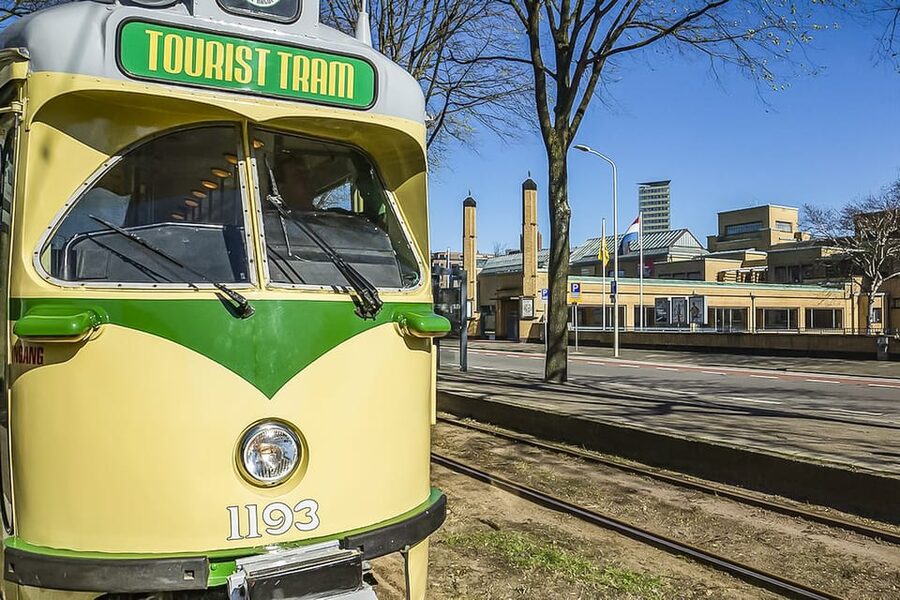
This tram is charming, and it’s also old. That matters for comfort and accessibility.
Narrow doors and no step-free access
Historic tram design means there’s no step-free access between the platform and the tram, and it’s not suitable for people with mobility impairments. Wheelchairs and baby strollers only fit if they can easily be disassembled or collapsed, and the doors are narrow.
If anyone in your group has mobility needs, check the physical setup before you commit. I’d rather you be prepared than surprised at the boarding point.
On-board rules
You’re not allowed to bring food on the vehicle, and alcohol and drugs aren’t allowed. This keeps the ride comfortable and focused on the experience.
The Small Friction Points That Matter (and How to Work Around Them)
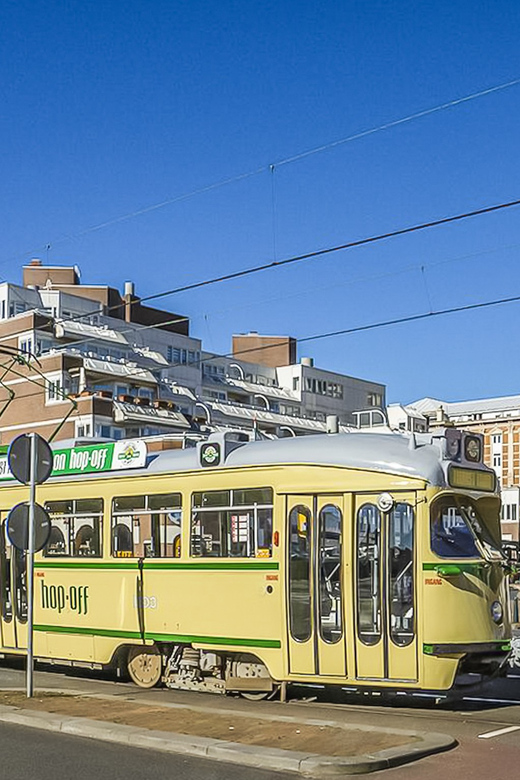
A few practical issues came up repeatedly, and they’re the kind that can make or break the day even when the core experience is excellent.
Stop signage and finding the boarding point
One of the most common issues is that signage isn’t always easy to spot, and some people found it hard to locate the stop at first. The tram stop posts have the Tourist Tram sticker, but it may not be prominent from every angle.
Workaround:
- Use the provided route/stop map and plus codes to confirm the exact stop location before you arrive.
- If you’re unsure, ask nearby people for the Tourist Tram sticker stop, not just the general area.
Wanting to know which stop the tram is at
Some people wished the tram would clearly indicate which stop it is currently stopping at. That’s not something you can fully control as a rider, so the safest approach is to follow along with the stop names and keep an eye on the direction and your position on the route.
Audio volume quirks on certain segments
Most audio feedback is positive: the audio is clear and informative. Still, some segments can sound off, including one stretch between Centraal Station and Madurodam. If that happens, adjust volume and focus on the landmarks you care about most.
Who Should Book This Heritage Tram Tour?
This tour fits best when you want:
- A guided way to see the major highlights of The Hague
- A flexible day plan with hop-on hop-off freedom
- A coast option without complicated transport planning
It’s especially good for first-timers who want to get their bearings fast and for people who like architecture, landmarks, and government buildings without committing to a full walking day.
If you need step-free access, or you’ll struggle with narrow doors, this may not be the right match.
So, should you book it?
I’d book this if your goal is a smooth, full-day “see a lot without stress” route—especially if you want Peace Palace and also want to reach Scheveningen via Kurhaus. The unlimited ride makes it easy to adjust when your energy changes, and the audio guide gives you context in your preferred language.
I’d hesitate only if you strongly dislike waiting for transportation every 30 minutes, or if accessibility needs make boarding difficult. If neither applies, this is one of the most practical ways to experience The Hague in a single day.
FAQ
What time does the hop-on hop-off tram operate?
The tram operates every 30 minutes from 10:15 AM to 4:45 PM. The first departure from Stop 1 is at 10:15 AM, and the last full round departs from Stop 1 at 4:45 PM.
Where can I board the tram?
You can board at any of the 16 tram stops listed for the Tourist Tram The Hague route. Stop 1 is Gravenstraat in the city centre, but you can start from any stop.
Is the audio guide included, and what languages are available?
Yes. The ticket includes a multilingual audio guide with earphones. It’s available in Dutch, English, French, Spanish, Italian, Russian, Chinese, Japanese, German, and also in The Hague dialect.
How often does the tram leave?
The tram runs every 30 minutes.
Can I eat or drink on the vehicle?
No. Food is not allowed in the vehicle, and alcohol and drugs are also not allowed.
Is the tram accessible for wheelchairs and mobility impairments?
It’s not suitable for people with mobility impairments. There is no step-free access between the platform and the tram, and doors are narrow. Strollers and wheelchairs only fit if they can easily be disassembled or collapsed.