Vancouver is a city you can read fast. This hop-on hop-off bus route gives you quick orientation, then lets you spend time where your feet want to go next. You’ll ride past major landmarks and great neighbourhood vibes, from Canada Place down to Gastown, with panoramic views that make the city feel bigger than it looks.
I like two things most. First, the panoramic harbour-and-park views are a big deal here—especially when the route threads by Stanley Park and False Creek. Second, the tour leans on real onboard storytelling, and guides like Sherry (and others such as Spencer, Dan, and Mary) show up in the best way: clear, fun live commentary when they’re on the bus.
One thing to plan around: Vancouver traffic can slow the circuit. On busy days, you can also hit crowded stops, meaning you may wait a bit for the next bus—plus in a couple of cases the audio can be harder to hear depending on where you sit.
In This Review
- Quick hits you’ll care about
- Why a hop-on hop-off bus fits Vancouver so well
- Meeting at Canada Place: where you start and how you activate
- What the route actually covers from downtown to the harbour
- Stop-by-stop: how to use the 10 stops (without wasting time)
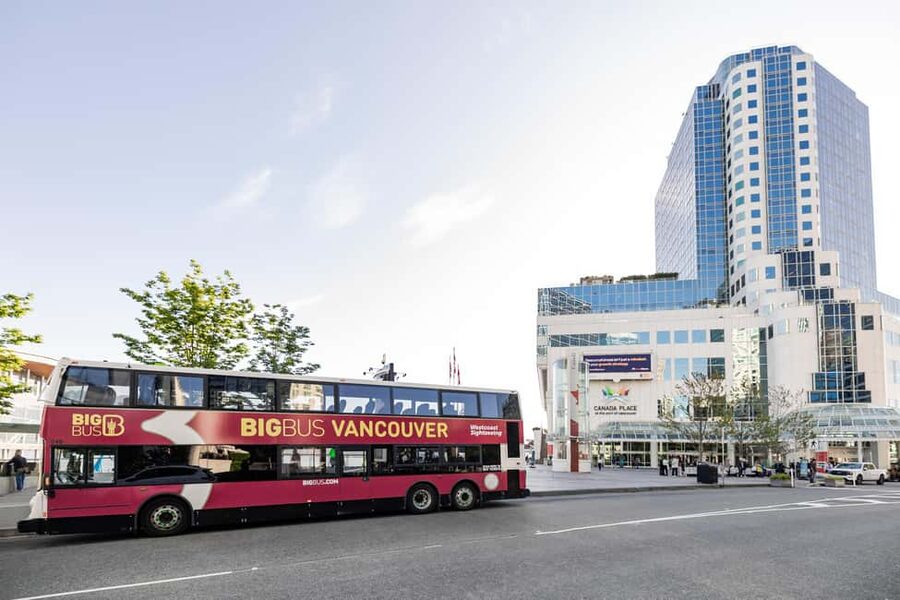
- Canada Place / Vancouver Convention Centre (Stop 1)
- Harbourfront and downtown streets (Pinnacle area, Robson Street, Coal Harbour)
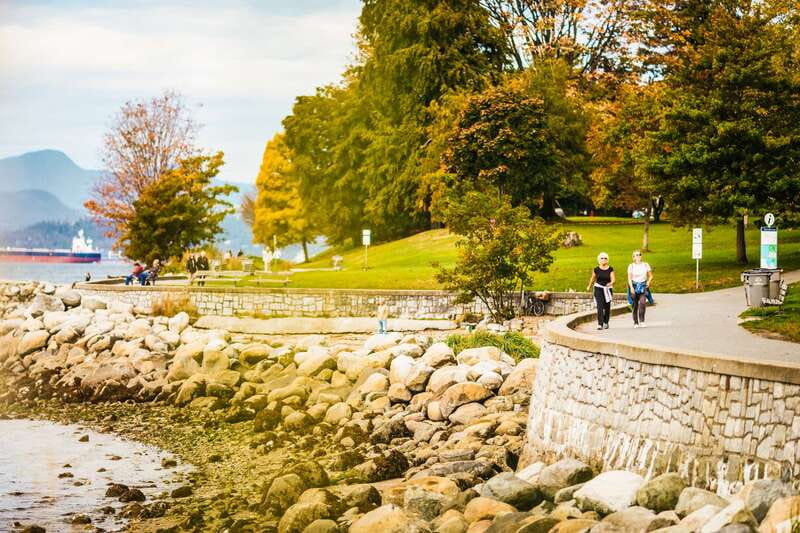
- Stanley Park viewpoints (Seawall, Rose Garden, and Lions Gate area)
- Davie Village and the neighbourhood shift
- Granville Island
- Downtown hotel corridor pass-bys (Chateau Granville and Sandman Signature areas)
- Library Square / Vancouver Public Library
- False Creek
- Chinatown
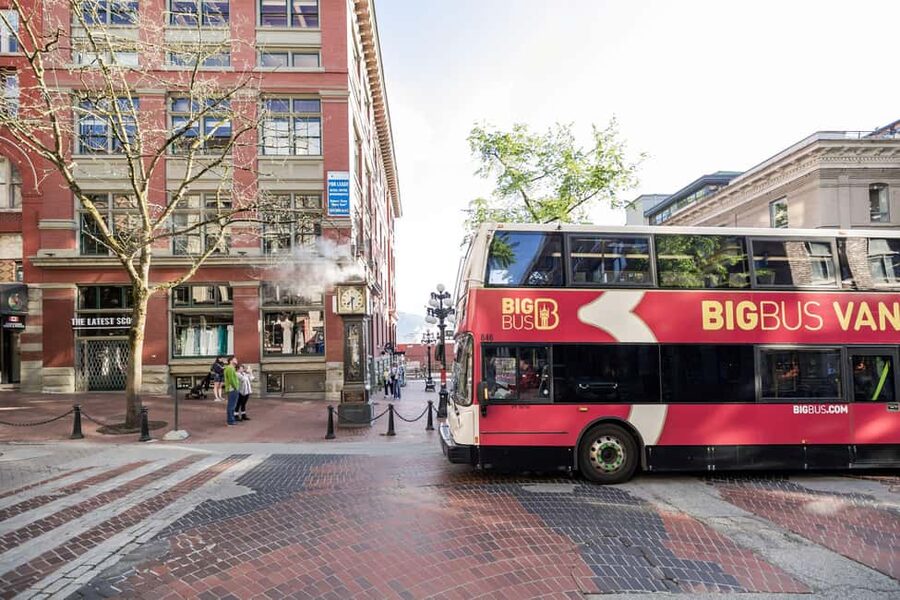
- Gastown (Steam Clock area)
- Audio guide, live commentary, and the two self-guided walking tours
- Timing, traffic, and why re-boarding can feel chaotic
- Is $47 good value for a 1–2 day Vancouver plan?
- Who this tour suits best (and who might not)
- Should you book this Vancouver 10-stop hop-on hop-off tour?
- FAQ
- How long is the hop-on hop-off ticket valid?
- Where do I start the tour?
- Do I get hotel pickup and drop-off?
- Can I board at any stop, or only at the beginning?
- What languages are available for the audio guide?
- Are pets or large bags allowed on the bus?
- How often do the buses run?
Quick hits you’ll care about
- Frequent departures in peak months (May–September every 15–30 minutes) make hop-offs actually work.
- Harbour, False Creek, and Stanley Park viewpoints are built into the ride, not tacked on.
- Granville Island is a popular hop-off for shopping and places to eat, and it’s easy to access by bus.
- Live driver commentary can beat the recorded track—Sherry is repeatedly called out for humor and clarity.
- Two self-guided walking tours add depth without taking over your whole day.
- No hotel pickup and no large bags/luggage means you’ll want a light setup.
Why a hop-on hop-off bus fits Vancouver so well
Vancouver is spread out, but it’s not chaotic. Most of the classic sights cluster in a way that works perfectly for a loop bus: downtown first, then harbour edges and neighbourhoods, then back again.
The real value is control. You’re not locked into one “everyone gets the same pace” itinerary. If you step off for Gastown’s Steam Clock area and decide you want longer photos, you can do that. If Stanley Park hits you first, you can prioritize the seawall walk and viewpoints, then catch the next bus when you’re done.
It’s also a smart move for your second day. I like starting here because it makes the rest of the trip make sense: you’ll know which corners are walkable from the stops you used, and which areas feel worth revisiting on foot.
And yes, it’s a tourist bus. But in this case, it’s a practical one—especially if you’re visiting with limited time or you want to reduce the amount of planning you do before you even arrive.
Meeting at Canada Place: where you start and how you activate
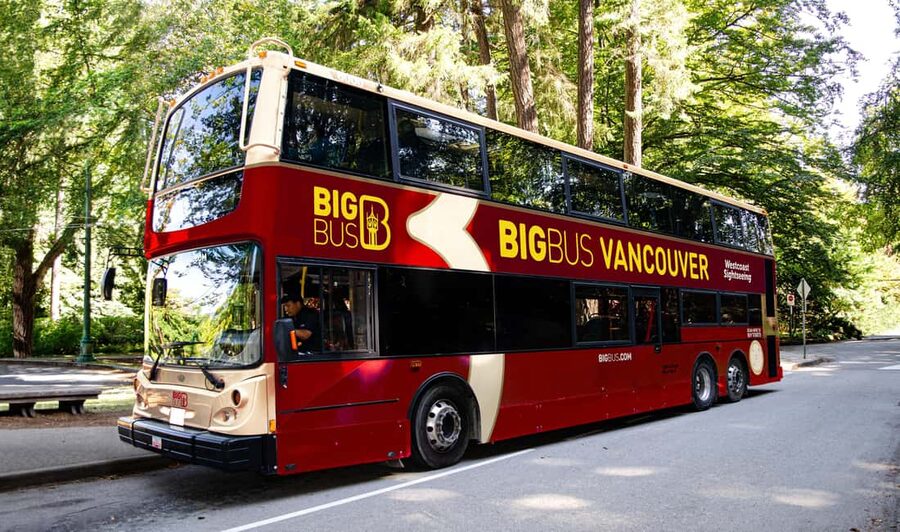
Your starting point is 400–999 Canada Place, with a recommended anchor at Big Bus Stop 1 at 999 Canada Place Way, in front of the Welcome Centre.
You can activate your ticket in two ways:
- Use the Big Bus app and add your voucher using your Activity Provider Reference Number.
- Show a printed or mobile voucher to a Big Bus team member or driver at a stop during operating hours.
The key practical tip: once your ticket is active, you can board at any stop on the route (not only the first one). That flexibility is what makes hop-on hop-off feel less like a bus tour and more like transportation with a sightseeing soundtrack.
You should also know the rules before you arrive. No pets and no luggage or large bags are allowed. If you’re traveling light, this is easy. If you’re carrying a bunch of stuff, it becomes less fun fast.
What the route actually covers from downtown to the harbour
This circuit is designed to connect Vancouver’s “big highlights” with neighbourhood texture. Along the way you’ll pass (and in many cases stop near) landmarks tied to the city’s waterfront identity and historic core.
From the Canada Place area, you’re quickly in the downtown loop zone. Expect you’ll get views past spots like Waterfront Station, the Vancouver Public Library, and areas tied to the city’s public art and skyline.
Then the route shifts toward the water and parks. That’s where you start seeing why Vancouver’s reputation is so deserved: you’re not only looking at buildings—you’re looking at the harbour, False Creek, and the scale of Stanley Park.
The ride also threads through neighbourhoods you’ll want to explore later:
- Robson Street and Coal Harbour for central downtown energy and waterfront angles
- Davie Village as a recognizable area for local life and streetscape browsing
- Chinatown and Gastown for that classic Vancouver photo-and-stroll combo
- Granville Island for shops, food, and a more relaxed pace than downtown
And along the way, you can plan to visit major “name” attractions mentioned with the route: Canada Place, Science World, the Marine Building, the Vancouver Lookout, and of course the Gastown Steam Clock.
Stop-by-stop: how to use the 10 stops (without wasting time)
Instead of treating this like a checklist, use it like a menu. Hop off, do one “anchor thing,” then hop back on before you feel stuck or rushed.
Canada Place / Vancouver Convention Centre (Stop 1)
This is a smart starting point because it’s central and easy to orient from. Canada Place also acts like a mental starting line for everything else you’ll see: skyline framing, harbour views, and the downtown “grid.”
If you’re doing this as a first-day orientation, spend your first pass here without jumping off immediately. Use it to get your bearings and decide what you’ll chase later.
Harbourfront and downtown streets (Pinnacle area, Robson Street, Coal Harbour)
These are “views and positioning” segments. You’re picking up geography: where the downtown core sits relative to the water, and how quickly you can get from shopping streets to waterfront angles.
If you’re photo-focused, this is where you’ll want to grab a few shots from the upper deck before the route gets busier.
Stanley Park viewpoints (Seawall, Rose Garden, and Lions Gate area)
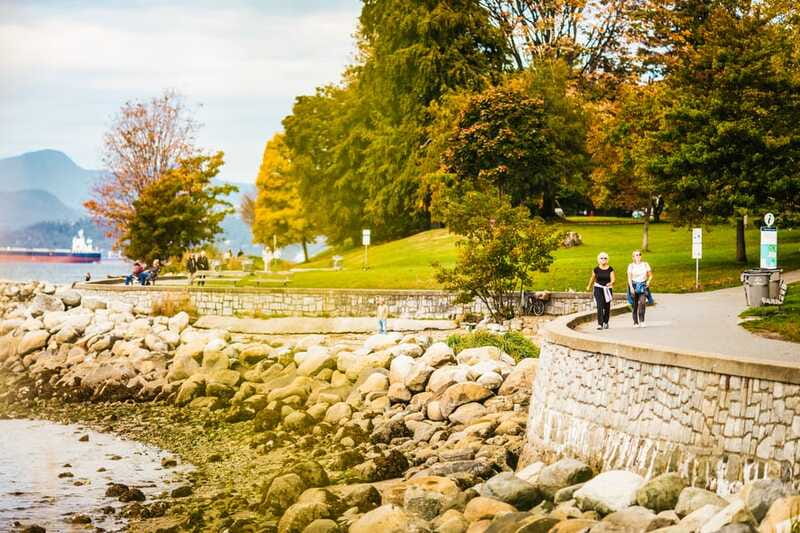
This is the big one. Stanley Park is best when you use it actively. Hop off with a clear plan: the Seawall walk is the easiest win, and viewpoints like the Rose Garden area and Lions Gate Bridge viewpoints are exactly the kind of places where you want time, not speed.
Important realism: the loop can slow near Stanley Park because traffic and signals can stack up. That doesn’t mean skip it. It means schedule your “big stop” thoughtfully so you’re not trying to do everything in one rushed block.
Davie Village and the neighbourhood shift
This stretch changes the feel. Davie Village gives you a window into day-to-day Vancouver life, not just postcards. If you like wandering, hop off for a short walk and a snack. If you don’t, stay on and save your energy for the larger stops.
Granville Island
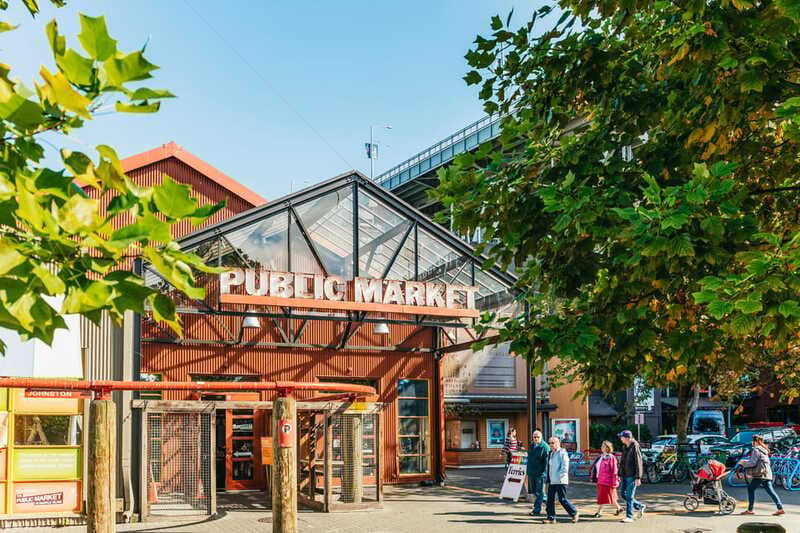
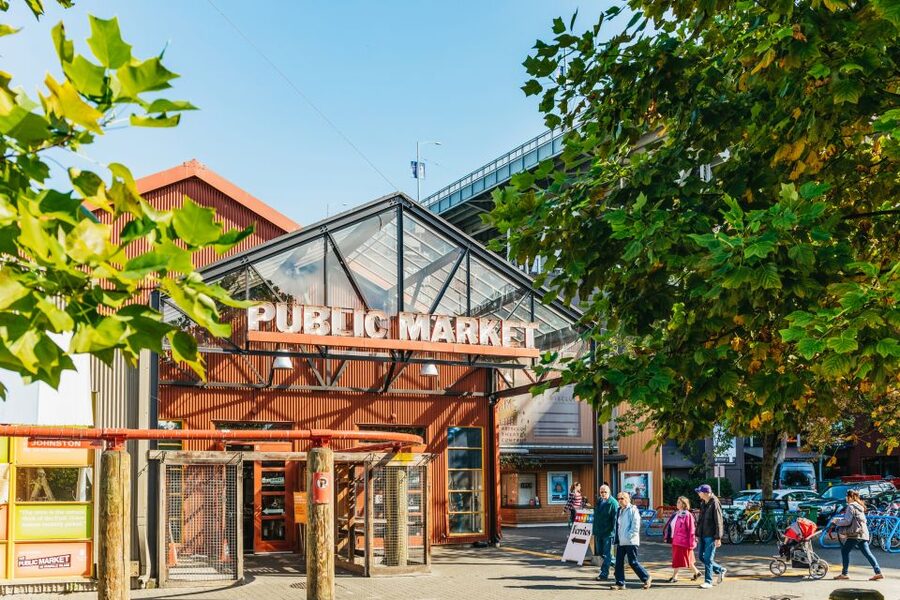
I like Granville Island because it’s easy to enjoy in a flexible way. You can shop, snack, and browse at your own speed. It’s also a good place to get out of the densest downtown rhythm for a few hours.
If you’re choosing only one hop-off stop for a quick “Vancouver flavor” day, Granville Island is a strong candidate. It’s also one of the stops where people tend to get excited—so expect the bus to feel busy when it’s time to re-board.
Downtown hotel corridor pass-bys (Chateau Granville and Sandman Signature areas)
These areas are useful because they show how close the tour route stays to where you might actually be staying. If you need to align your next activity with a practical location near your accommodation, these stops help.
Use this part to time your re-boarding around your schedule. It’s not the moment for a long hike. It’s the moment for positioning.
Library Square / Vancouver Public Library
This is where the tour turns from waterfront to civic Vancouver. It’s a great stop if you want a break from the bus ride and a chance to stretch. It also helps you understand why downtown Vancouver feels designed for people—not just cars.
False Creek
False Creek gives you that wide water-and-city look that ties the whole city together. If you’re the type who likes panoramic photos, this is a good place to stand, look, and take a breath before you head into denser streets.
Chinatown
Chinatown is a straightforward stroll-and-photo area from this route. If you’re curious about different neighbourhood atmospheres, get off for a short walk and then move on. It’s the kind of stop that’s satisfying even when you don’t have hours.
Gastown (Steam Clock area)
Gastown is where Vancouver shows its historic personality with a modern edge. The Steam Clock is the anchor. I recommend hopping off for enough time to do two things: a quick photo round, then a slow wander.
This is also a good stop to test your energy. If you feel good after Gastown, you can extend the walk. If you don’t, hop back on and let the bus do the stretching.
Audio guide, live commentary, and the two self-guided walking tours
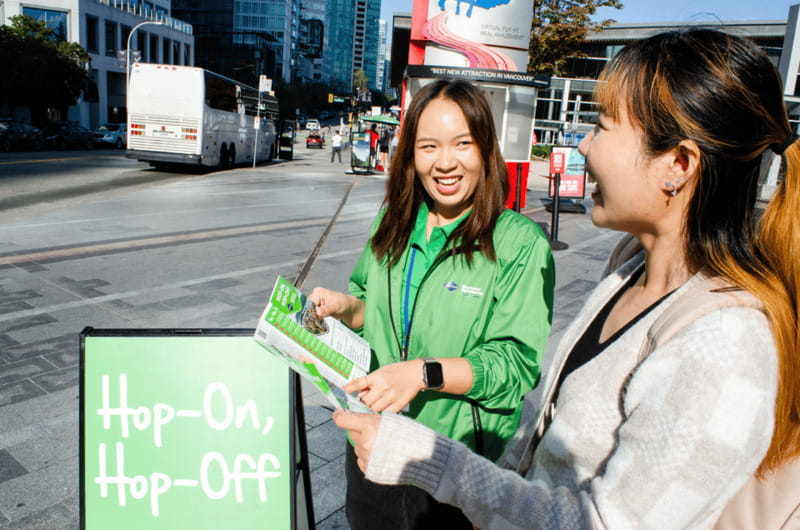
You get a free audio-guide app in Chinese, English, French, German, Japanese, Korean, and Spanish. That means you can switch languages if you’re traveling with people who want different tracks, and you won’t be stuck with whatever language is playing loudest.
Here’s the practical part: audio can be harder to hear in some seats. If you care about every word, pick a spot where sound carries well—often closer to where the driver’s area and upper-deck acoustics make the narration clearer.
Now, about onboard commentary. The biggest compliment this tour gets is about the human layer. Guides like Sherry are repeatedly singled out for live, personal storytelling and humor, rather than only relying on recordings. That matters because Vancouver is a city with layers—industry, migration, parks, and waterfront development. A good guide turns those into stories you can actually remember.
And then there are the two self-guided walking tours included with your ticket. I like this pairing because it gives you depth without forcing you into another guided group tour. Use the walking tours as “aftercare” for what you see on the bus. If the bus gives you the outline, the walking tours help you understand the details at ground level.
Timing, traffic, and why re-boarding can feel chaotic
This tour is frequent, but Vancouver is Vancouver. The bus frequency is:
- May to September: every 15–30 minutes
- October to April: every 35–40 minutes
That’s decent. In peak months, you can hop off, do something, and get back without sweating it. In off-season, give yourself a little extra time and avoid assuming you’ll be back at the stop at exactly the perfect minute.
Traffic is the wild card. Near major park access and in busy downtown corridors, the loop can take longer than you’d think. One of the most practical ways to handle that is to treat Stanley Park as your “time block” stop. Do one solid park plan there, then let the rest of your day be flexible.
Crowds matter too. Some stops can get packed, which means you may need to wait a bit to board. If you’re traveling on a Saturday, plan for the bus to feel like a moving waiting room at peak re-boarding times.
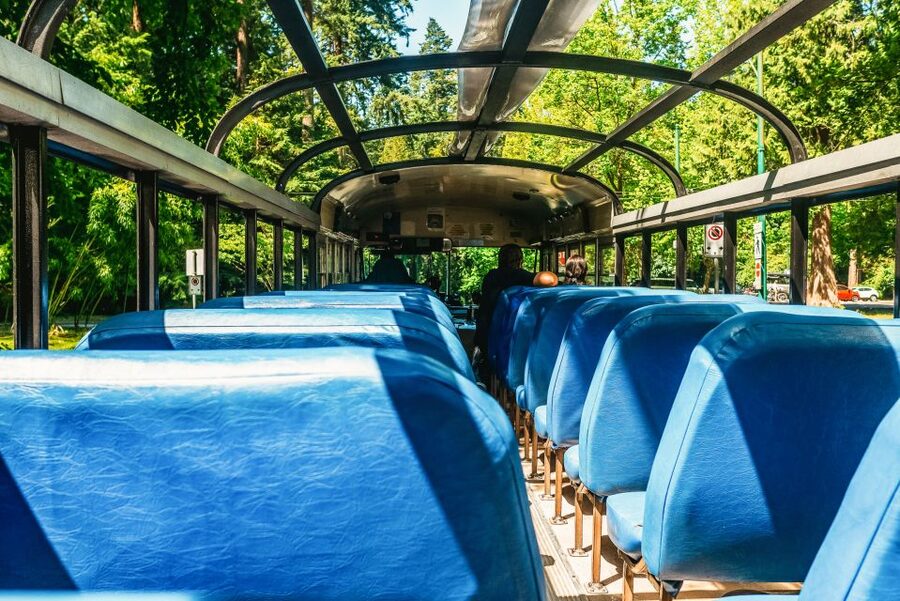
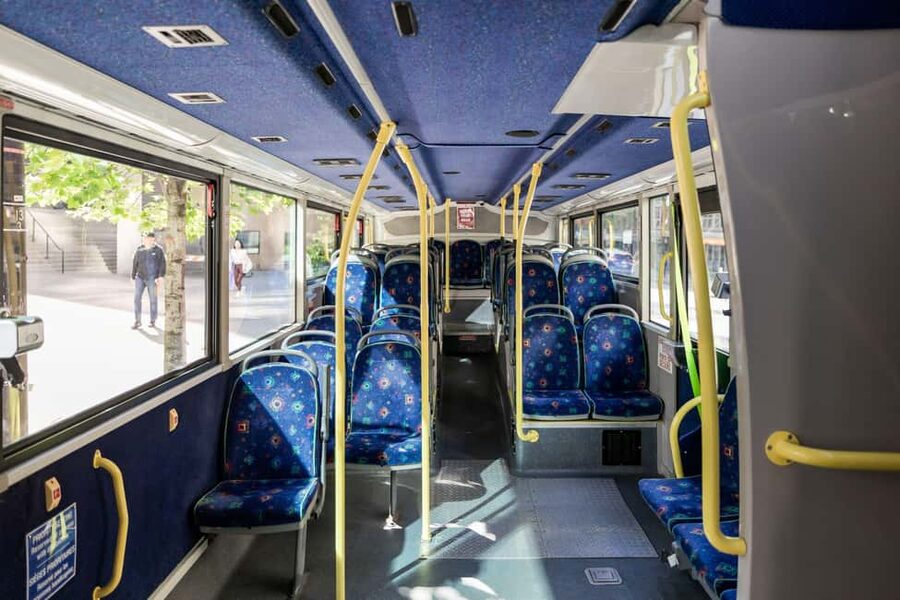
Finally, bus comfort varies by vehicle. Some passengers have pointed out older viewing panels that can affect how well you see through the top deck roof. If crisp views matter a lot for you, consider seating choices carefully and keep a few backup photo angles in mind.
Is $47 good value for a 1–2 day Vancouver plan?
At $47 per person for a 1–2 day option, this works best when you use it as transportation plus sightseeing. If you’re trying to cover a lot of ground without spending extra time figuring out routes, it’s a strong deal.
Where the math becomes convincing:
- If you’ll hop on/off multiple times and actually build a day around the stops.
- If you value views and “first pass orientation” over deep museum-style detail.
- If you want a plan that adapts when weather changes or your schedule shifts.
This is not the best value if you only ride once and never hop off. In that case, you’re paying for a bus ride more than a day of flexible exploration. But if you’re willing to use Granville Island and Gastown like real stops—and treat Stanley Park as the big anchor—then the price starts to feel reasonable fast.
Also, it’s a good fit for travelers who like structure but hate being trapped. The route gives you structure. The hop-off freedom gives you choices.
Who this tour suits best (and who might not)
This tour fits you best if you’re:
- In Vancouver for a short time and want a fast overview
- The type who plans a few “must dos,” then leaves room for wandering
- Traveling with a mix of interests—someone wants parks and views, someone else wants neighbourhood strolls
It might not fit as well if you:
- Prefer to spend the whole day walking without using buses
- Need a very quiet, low-conflict experience at crowded stops
- Want guaranteed perfect audio in every seat and situation (you can manage it, but it’s not a guarantee)
Should you book this Vancouver 10-stop hop-on hop-off tour?
If you want an efficient first day that helps you plan the rest of your trip, I’d book this. The harbour-and-Stanley Park views, the convenience of frequent departures in good months, and the mix of downtown icons plus neighbourhood stops make it a practical way to see Vancouver without over-planning.
If your schedule is tight or you’re going during peak times, treat it like a flexible plan, not a strict one. Build your day around a major stop (Stanley Park or Granville Island), and use the bus to stitch everything together. That’s when this ticket feels like value, not just entertainment.
FAQ
How long is the hop-on hop-off ticket valid?
The ticket is valid for 1–2 days, with 24- or 48-hour options.
Where do I start the tour?
A good starting point is Big Bus Stop 1: Canada Place / Vancouver Convention Centre (999 Canada Place Way), in front of the Welcome Centre. You can also start at 400–999 Canada Pl.
Do I get hotel pickup and drop-off?
No. Hotel pickup and drop-off are not included.
Can I board at any stop, or only at the beginning?
After you activate your ticket, you can board at any Big Bus stop on the route during operating hours.
What languages are available for the audio guide?
The audio guide app is available in Chinese, English, French, German, Japanese, Korean, and Spanish.
Are pets or large bags allowed on the bus?
No. Pets are not allowed, and luggage or large bags are not allowed.
How often do the buses run?
From May to September, buses run every 15–30 minutes. From October to April, they run every 35–40 minutes.