Boston clicks into place from a trolley window. This hop-on hop-off trolley makes Boston easy to sample with live commentary across 13 key stops, so you can hop out for a closer look and hop back in when you’re ready. I like that it’s an efficient first-day plan (waterfront, neighborhoods, landmarks) and I also like the comfort factor, especially when it’s cold—heated, enclosed trolleys help you stay in the game. One drawback: in winter and at peak moments, you may deal with longer waits and a bus transfer, so timing matters.
The best part is the guide energy. You could even ride with conductors called out by name like Capt E. Hambone or Wiggles, and the narration turns stop-to-stop driving into a running story about the city.
Just don’t expect perfect, real-time convenience. I recommend you plan around no trolley tracking and possible schedule gaps, because a long wait in Boston weather is not fun.
In This Review
- Key highlights you’ll care about
- Orange and Green Loops: how you actually cover Boston in 2 hours
- Start at 200 Atlantic Avenue: the Waterfront and Faneuil Hall in one click
- North End to USS Constitution: neighborhoods plus big Boston landmarks
- Downtown Crossing and the State House area: small walk, big payoff
- Cheers and Boston Common: a comfort-first stop cluster
- The welcome center transfer at Stop 7: your plan’s pivot point
- Beacon Hill and the Freedom Trail start: classic streets, easy entry
- Tea Party Ships, Children’s Museum, Fort Point: history plus variety
- Prudential Center and the View Deck zone: Back Bay’s modern edge
- Christian Science Plaza, Symphony Hall, Copley Place: where walking feels worth it
- Trinity Church and the Phillips Brooks Statue area: the ride’s satisfying ending
- Price and value: is $52.45 worth it for Boston?
- Comfort that actually matters: enclosed, heated, and not helpless in winter
- Timing, waiting, and the bus transfer truth
- Who this trolley suits best (and who should consider another plan)
- Simple booking checklist for a smoother ride
- Should you book the Boston Hop-On Hop-Off Trolley with 13 Stops?
- FAQ
- How long does a full rotation take?
- How many stops are on the tour?
- Is the trolley narrated?
- Are the trolleys enclosed or open-air?
- Does the tour run in bad weather?
- Are the trolleys heated in winter?
- What is included in the price?
- Is food and drinks allowed on board?
- Are pets allowed on the trolley?
- Does the trolley follow the Freedom Trail exactly?
Key highlights you’ll care about
- Live narration on every ride, not just signage and GPS facts
- Heated comfort with plastic windows, so cold days feel less miserable
- A practical route split into loops, with a transfer point at the welcome center
- Frequent stop access when the service is running smoothly (some days feel great, others don’t)
- Top sights grouped tightly, from the Aquarium and North End to Beacon Hill and Copley
Orange and Green Loops: how you actually cover Boston in 2 hours
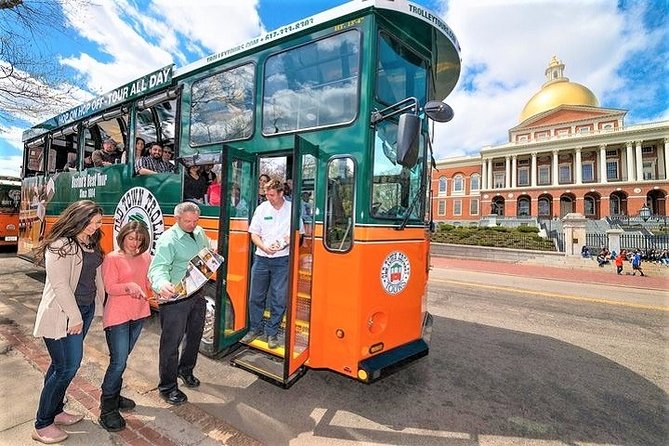
This trolley tour is built for convenience. You board the orange-and-green trolleys at the official starting point and use your ticket to hop on and off at stops along two loops. The ride time you’ll see in practice is about 2 hours for a full round, and the operator notes the Old Town loop is roughly 1 hour 50 minutes if you stay on the vehicle the whole way.
What makes this work for real life is that you’re not locked into one long museum slog. You can treat it like a moving “orientation map.” See something you like, hop off, walk a few blocks, and re-board later without needing to figure out parking or taxi timing.
One important detail: you’re not always guaranteed one single trolley for the entire route. The tour includes a transfer point at the Old Town Trolley Welcome Center area, so expect to change trolleys if you’re doing the full sweep across the city sections.
Also, loops run on set hours that shift by season. The Green loop runs 9am–5pm (Apr–Oct) and 9am–4pm (Nov–Mar). The Orange Back Bay loop follows the same seasonal timing. For each loop, the last departure is listed too (and it matters): the Green loop last departs from stop 1 at 5pm/4pm, and the Orange loop last departs from stop 7 at 5pm/4pm.
If you’re visiting for just one day, aim to start earlier rather than later. Boston traffic plus transfer logistics can eat into your time.
Start at 200 Atlantic Avenue: the Waterfront and Faneuil Hall in one click
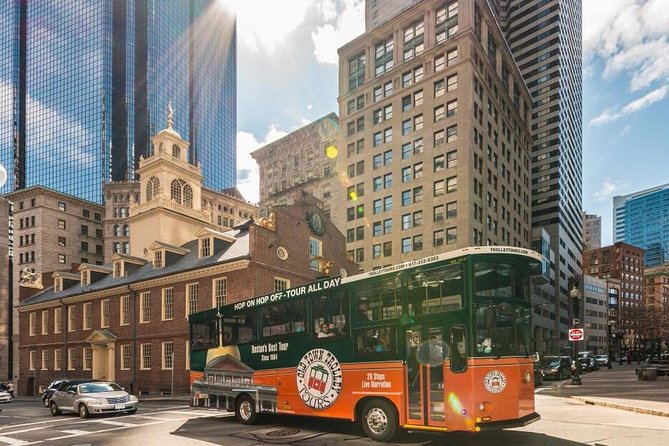
You begin at 200 Atlantic Avenue, by the end of the Marriott Long Wharf Hotel. This is a smart start because you’re right where Boston’s “classic view” starts: the harbor side of downtown.
At Stop 1 (200 Atlantic Ave), you’re set up for the New England Aquarium area, plus nearby harbor tour options and the Faneuil Hall zone. This is a great first stop because it’s easy to orient yourself: you’ll understand the waterfront layout fast, and Faneuil Hall gives you that downtown “we’re in the center” feeling.
If you hop off here, you’ll likely want to do one of two styles of exploring:
- Quick walking and photos around the harbor-to-Faneuil corridor
- Jumping into an attraction like the Aquarium while your trolley ticket keeps the rest of the day flexible
Just remember: the more you hop off early, the more you’ll rely on good re-boarding timing later—so don’t schedule your whole day as if every trolley will arrive instantly.
North End to USS Constitution: neighborhoods plus big Boston landmarks
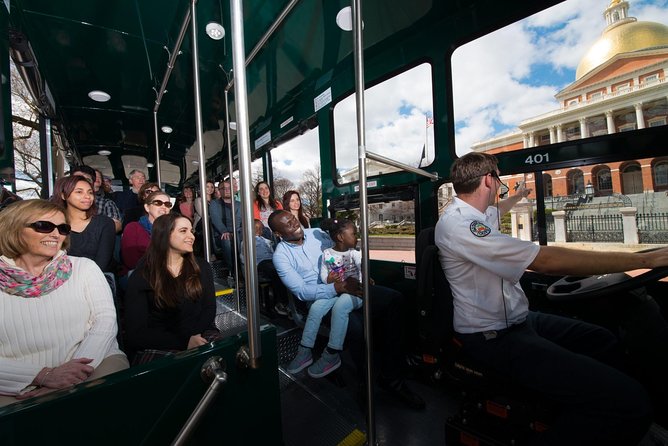
Next up is Stop 2 (561 Commercial St), which puts you in the Boston North End—the older, brickier neighborhood with Italian influence. This stop also lines you up for Old North Church and the area often called Little Italy. If you’ve heard about the Freedom Trail and want the historic “starter streets” feeling, this is where you get it.
Then comes Stop 3: USS Constitution Museum. This is one of those stops where the trolley does the heavy lifting for you: you don’t have to hunt for where to be. You can step off and spend time with the museum, or keep it light and just use the stop as a landmark anchor.
After that, Stop 4 (162 Causeway St) covers North Station and TD Garden. Even if you’re not catching an event, this is a useful “Boston logistics” stop. It helps you understand how downtown channels connect, especially if you’re pairing the trolley with other plans that use the rail or big venues.
Downtown Crossing and the State House area: small walk, big payoff
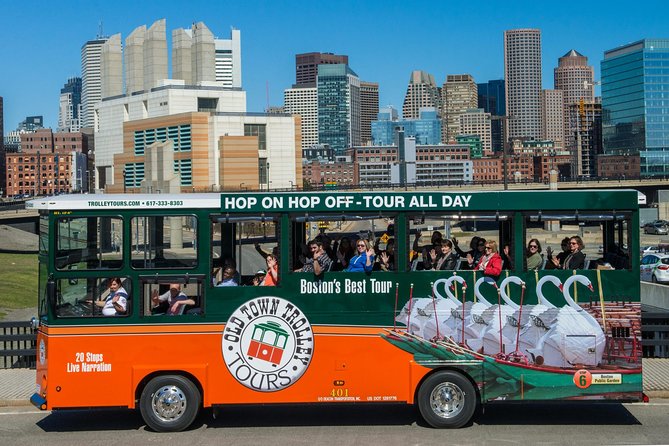
At Stop 5 (28 State St), you land in the Downtown Crossing / Historic District / Old State House area. This is a value stop because it pairs well with a short walking loop. You’ll be close to the kind of sights that usually require multiple rides if you’re paying for rideshares and taxis between small distances.
This is also where the trolley narration can help you connect the dots. Instead of reading bits on your phone and guessing which period matters, the guide’s story helps you place each street and building into a timeline.
If you want a practical strategy: hop off for 45–90 minutes here if you’re the type who likes to browse. If you prefer faster sightseeing, you can stay on and let the narration carry you to the next neighborhood shift.
Cheers and Boston Common: a comfort-first stop cluster
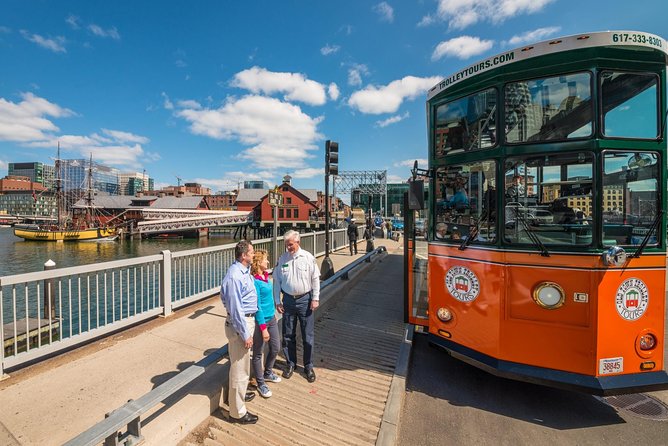
Then you hit Stop 6: Cheers—the famous bar linked to the TV show—plus easy access to Boston Common and Boston Gardens. If you’re traveling with friends or family who want at least one stop that’s instantly recognizable, this is it.
This zone is also ideal for re-fueling your day. Even if you don’t go inside Cheers, you can use this area to reset:
- Walk through Boston Common and take in the open-space contrast after the dense downtown blocks
- Stretch your legs before the next transfer and neighborhood sequence
The welcome center transfer at Stop 7: your plan’s pivot point
At Stop 7 (2 1/2 Park Plaza), you’re at the Old Town Trolley Welcome Center, and this is where you’ll often transfer to the Orange loop. Stop 7 also covers the Theater District, Boston Public Garden, and a smooth transition toward Beacon Hill.
This stop is important because it’s where people lose time. Some find it confusing at the start because the route is split by geographic areas, and you might not realize you need to switch trolleys until you’re already on the curb.
Here’s how to make it painless:
- Pay attention when you’re leaving Stop 7.
- If your goal is all the way through the full route, treat Stop 7 like a checkpoint, not a casual rest stop.
It’s also a good moment to take a quick photo of your stop sign and the line color you need next. No one wants to guess in the cold.
Beacon Hill and the Freedom Trail start: classic streets, easy entry
At Stop 8 (Beacon Hill / Park Street / Boston Common / beginning of the Freedom Trail), you’re in the thick of one of Boston’s most postcard-friendly areas. Beacon Hill has the steep street-and-brick vibe that makes visitors slow down without meaning to.
This stop is valuable even if you don’t do the full Freedom Trail walk. The trolley positions you close enough that you can choose a segment. Want just one piece of the story? Hop off and start where it feels most interesting to you.
If it’s winter: this stop is a reminder that Boston sidewalks can be slippery and crowded. Keep your time on the street short, and plan your return bus re-boarding deliberately.
Tea Party Ships, Children’s Museum, Fort Point: history plus variety
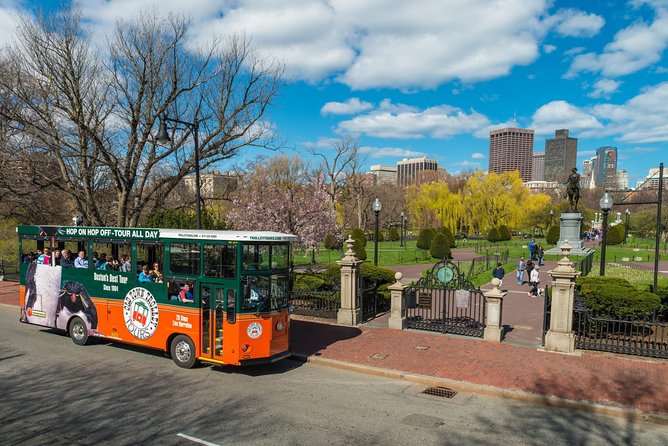
At Stop 9: Boston Tea Party Ships & Museum, you’re in the right place for the dramatic Revolutionary-era story Boston is famous for. This is also a stop where the trolley tour includes a discount to the Boston Tea Party Ships & Museum, so you get extra value if you plan to visit.
Stop 9 also covers Boston Children’s Museum and the Fort Point Channel area. That mix is useful because it gives your day flexibility:
- If you’re traveling with kids, there’s another attraction option nearby.
- If you’re more into waterfront views, Fort Point Channel gives you a different kind of scenery than the Back Bay side.
Prudential Center and the View Deck zone: Back Bay’s modern edge
At Stop 10 (40 Dalton St), you reach the Prudential Center, Hynes Convention Center, and the area tied to the Boston Observation Deck. This is a good pivot stop because it shifts your sightseeing from older neighborhoods and memorials to the city’s modern vertical skyline.
If you want a high-view moment, this is where it fits. If not, you can still use the stop to understand where the commercial core of the Back Bay sits relative to the rest of the route.
Next comes the cultural anchor side of town.
Christian Science Plaza, Symphony Hall, Copley Place: where walking feels worth it
Stop 11 (140 Huntington Ave) puts you at Christian Science Plaza and near Symphony Hall. This is one of those “architectural glance” areas where even a quick stop helps you understand how Boston balances historic storytelling with big-city design.
Then Stop 12 (100 Huntington Ave) heads into Copley Place and near the Boston Marriott Copley Place. This is a practical shopping and rest stop, especially if weather changes. You can duck indoors, grab something to drink, and keep moving.
Trinity Church and the Phillips Brooks Statue area: the ride’s satisfying ending
The last stop, Stop 13, is directly across from 545 Boylston St, near the Phillips Brooks Statue, close to Trinity Church. This gives you a strong finish. You’ve moved from harbor history to neighborhood streets to modern Back Bay, and the final zone feels like Boston’s central “attention” area.
If you’re doing a full day (or a 2-day pass), you can end here and turn the rest of your time into walking and specific museum visits. If you’re doing a shorter plan, this last stop is a clean place to wrap up and head back to your hotel.
Price and value: is $52.45 worth it for Boston?
At $52.45 per person for a ride that runs about 2 hours, this trolley is mainly a value play. You’re paying for three things:
- Convenience: hop off and on at your own pace
- Guidance: live narration by a professional conductor
- Weather protection: enclosed, heated comfort with plastic windows
It also includes all taxes and a discount to the Tea Party Ships & Museum. The discount alone won’t always make the math perfect, but if you’re planning that visit anyway, it helps.
If you’re comparing options, here’s the honest way I’d think about it. If you’re using rideshares or taxis between multiple stops, the cost can climb fast—especially once you add waiting time. The trolley can cost less and save energy. But if your day gets disrupted by longer waits or transfers, the value depends on how flexible you are.
For families, first-timers, and anyone who doesn’t want to plan a route map line-by-line, this tends to be a strong buy. If you already know Boston well and you’re only interested in one or two attractions, you might spend your money elsewhere.
Comfort that actually matters: enclosed, heated, and not helpless in winter
The trolley experience is weather-dependent, but this one is built to fight back. The trolleys are not fully sealed like a bus, but they do have plastic windows that can roll up or roll down. During winter, the vehicles are heated, which makes a huge difference on Boston mornings when it can feel sharper than the temperature suggests.
That enclosure plus heat changes the vibe. You can stay seated, keep your layers on, and still enjoy the views.
Small note: food and drinks are allowed, but alcohol is not allowed under any circumstance. It’s one of those rules that makes the trolley a more comfortable shared space.
Timing, waiting, and the bus transfer truth
Here’s the part you should plan for: trolley frequency can be great, then it can slip. In many cases, pickups can feel frequent—people have described access every 15–30 minutes—and on better days, the hop-on system feels smooth.
But in winter (and during busy stretches), the less-ideal pattern can appear: longer waits, fewer buses visible at the stops, and the occasional “where is it” moment. One issue that comes up is the lack of real-time trolley tracking, so you can end up standing outside longer than you expected.
On top of that, transfers matter. If you’re switching at the welcome center area, you’ll lose some time compared with staying on one vehicle. The good news is that once you figure out the route colors, it usually gets easier. The bad news is that if you’re expecting a totally frictionless experience on your first ride, Boston weather and street traffic can humble that plan.
My advice: if it’s cold, choose shorter hop-off windows. Get your steps, then return to the stop with enough time to re-board without rushing.
Who this trolley suits best (and who should consider another plan)
This is a strong match if you want:
- A one-day orientation to Boston’s neighborhoods and major sights
- Live narration that helps you connect places to stories
- The freedom to choose what’s worth extra walking time
It also tends to work well for mobility needs. The tour can accommodate strollers if they’re collapsible and stored up front, and there are reports of drivers helping passengers with walkers and scooter mobility.
Who might skip it? If you only care about one museum or one specific area and you’re already comfortable navigating Boston on foot or by transit, the trolley may feel like more time than you want. And if you’re the type who gets stressed waiting outside, plan extra buffer time.
Simple booking checklist for a smoother ride
Boston runs a tight schedule, so do a little prep:
- Start early enough to stay within the loop hours (especially if you want the full sweep).
- Dress for the weather, even with heated trolleys and plastic windows.
- Keep your phone charged for your mobile ticket, so boarding doesn’t turn into a scramble.
- If weather gets harsh enough to cancel the tour, the operator states you’ll be offered a different date or a full refund.
- Remember the pet rule: only service animals are allowed on board.
Should you book the Boston Hop-On Hop-Off Trolley with 13 Stops?
Book it if you’re short on time and want an efficient way to hit the city’s “greatest hits” without building a route from scratch. The live narration, heated comfort, and hop-on freedom are exactly what make this feel worth it, especially when the weather isn’t cooperating.
Skip or rethink it if you’re very time-sensitive, hate waiting outside, or you only want to visit a couple of fixed stops. In that case, a more targeted plan can save you money and reduce stress.
If you do book, treat it like a moving base camp. Hop off for the spots that pull you in, then re-board with a little patience. Boston is a walkable city, and this trolley is a practical way to get your bearings before you go deeper.
FAQ
How long does a full rotation take?
The operator says the Old Town Trolley is approximately 1 hour and 50 minutes if you ride all the way around without getting off.
How many stops are on the tour?
This route is described with 13 numbered stops, and the operator also notes 18 stops for the Old Town Trolley experience.
Is the trolley narrated?
Yes. The Old Town Trolley is fully narrated by expert guides.
Are the trolleys enclosed or open-air?
They are open-air vehicles with plastic windows that can roll up or roll down depending on conditions.
Does the tour run in bad weather?
Tours operate in rain or shine, hot or cold, year-round. If the tour is canceled due to poor weather, you’ll be offered a different date or a full refund.
Are the trolleys heated in winter?
Yes, the trolleys are heated in winter.
What is included in the price?
Included features are narration by a professional tour conductor, all taxes, a discount to the Boston Tea Party Ships & Museum, and enclosed trolley offers protection from weather.
Is food and drinks allowed on board?
Yes, food and drinks are welcome, but alcoholic beverages are not allowed.
Are pets allowed on the trolley?
Only service animals are allowed. Emotional support animals and pets are not allowed.
Does the trolley follow the Freedom Trail exactly?
No. The Freedom Trail is self-guided walking, and the trolley gets you close to many Freedom Trail sights but does not follow it exactly.