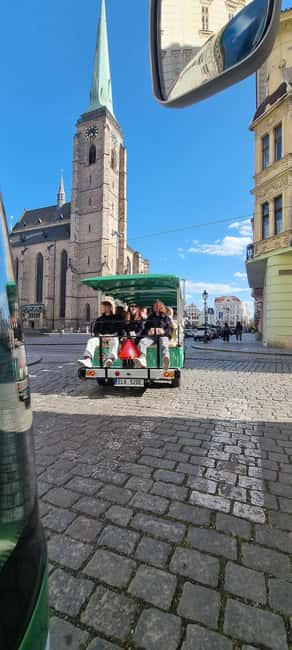
Top-deck views in Mexico City, for two days. I like that this Turibus hop-on hop-off pass gives you big-picture panoramas from an open-top bus, plus it includes an audio guide you can follow while you ride. The one real catch: some routes can mean longer waits at stops, so you’ll want patience and a plan instead of assuming the bus arrives right on schedule.
Your ticket covers 4 circuits across Greater Mexico City (Historic, Coyoacán, Basílica, and Polanco), and you can connect between them during the 2 consecutive days you’re allowed to use it. That makes it a flexible way to shape your trip around museums one moment and neighborhood wandering the next—without getting stuck in one area all day.
In This Review
- Key things to know before you ride
- Getting your bearings fast with a 2-day hop-on hop-off pass
- Price and value: is $25 a good deal for 2 days?
- The 4 circuits: Historic, Coyoacán, Basílica, and Polanco (and what each feels like)
- Historic circuit: the core of the story
- Coyoacán (South): art, culture, and a cooler pace
- Basílica circuit: a spiritual landmark moment
- Polanco: upscale shopping and a different kind of energy
- Historic Center Circuit: monuments, museums, and street food energy
- Coyoacán (South) Circuit: art-forward streets and famous names within reach
- Basílica Circuit + Polanco: two very different day moods
- Basílica Circuit: a powerful spiritual stop
- Polanco Circuit: shopping and a polished break from the crowds
- Audio guide in 9 languages: use it to turn riding into learning
- Timing, signage, and the real risk: waiting for the next bus
- What to bring and how to plan your 2 days (without exhausting yourself)
- A smart two-day strategy I’d use
- Who this suits best (and who should skip it)
- Should you book the Turibus 2-day hop-on hop-off pass?
- FAQ
- How many routes can I ride with the 2-day pass?
- Does the pass include the audio guide and headphones?
- What languages are available for the audio guide?
- Do I have to use the ticket over two consecutive days?
- Is the Basílica Circuit ever closed?
- Is this tour refundable if routes change due to traffic or weather?
Key things to know before you ride
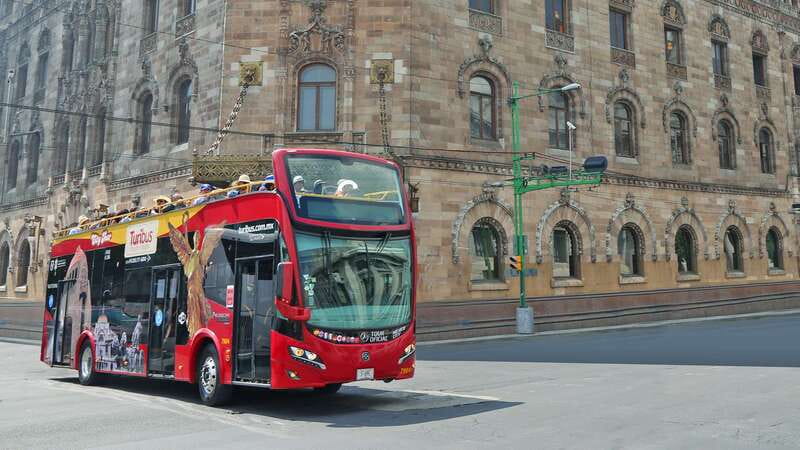
- Open-top double-decker views make it easier to spot what you want to revisit on foot
- 4 circuits with unlimited hop-on hop-off give you freedom over two consecutive days
- Audio guide + headphones help you pace the city without needing to read every sign
- Museums and iconic zones are built into the routes, including Templo Mayor and the Museum of Anthropology and History
- Waiting time varies by line, so build a buffer into your day
Getting your bearings fast with a 2-day hop-on hop-off pass
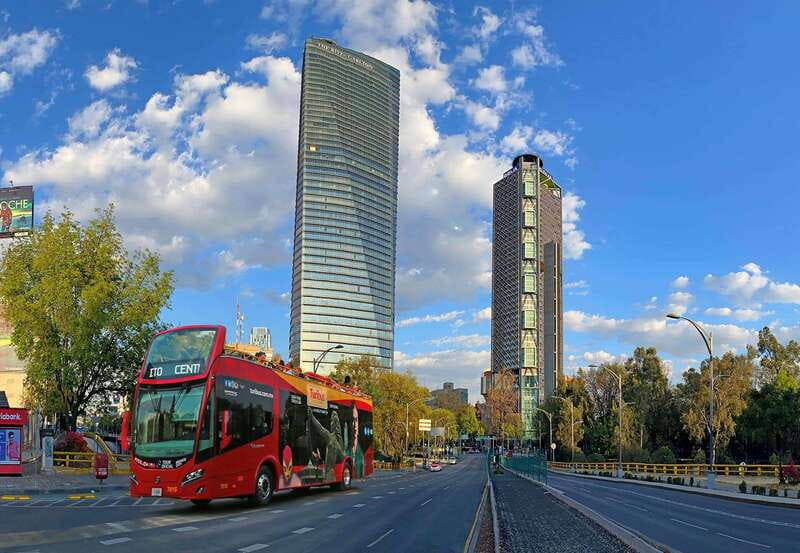
Mexico City is huge, and your biggest stress factor is rarely the sights. It’s the getting-there part—when roads are busy and distances feel longer than they look on a map. A 2-day hop-on hop-off pass like this one is designed to solve that. You stay on the bus when you want movement and skyline views, then hop off when something catches your eye.
What I like about the format is how practical it is for day one. You can start by riding the loop, picking up context from the audio guide, and tagging stops you actually want to walk later. Then day two becomes more targeted: fewer wandering loops, more purposeful time in the places that match your interests.
One more helpful detail: the ticket is valid for two consecutive days, and you can use it across all four circuits. So you’re not locked into one “style” of Mexico City. You can mix old-city monuments, art neighborhoods, the Basílica area, and shopping-and-eats Polanco without changing tickets.
Price and value: is $25 a good deal for 2 days?
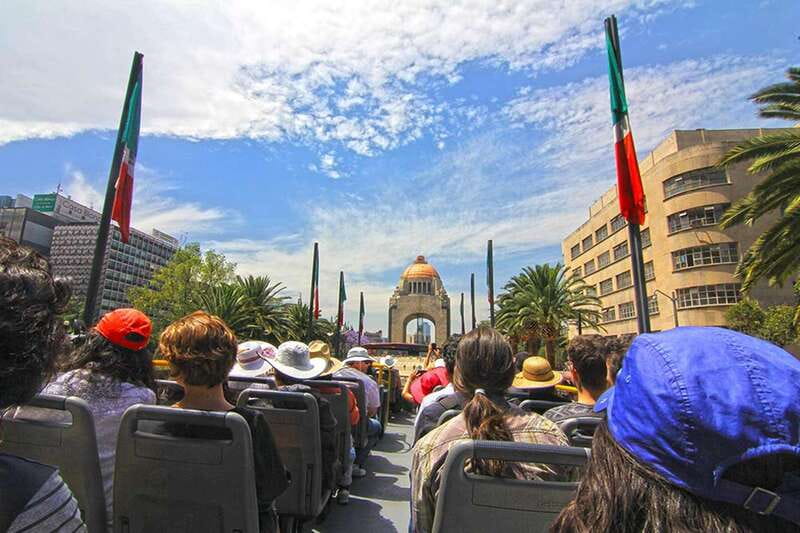
At $25 per person for two days, this is priced like a solid “trip glue.” The value isn’t that you see everything (you won’t). The value is that you buy transportation and a guided layer of context in one package. That can be a bargain in a city where rides add up and where delays can happen fast.
Here’s the math that usually matters most: if you plan to spend both days moving around—rather than using the pass for only a single afternoon—this becomes easier to justify. It’s also better value if you’re curious about multiple districts, not just one museum block or one central walking loop.
Also, you should expect a key limitation: attraction entry tickets aren’t included. So you’ll still pay to get into places you choose to enter, like museums or other sights. Still, having the bus drop you near those areas (instead of trying to piece it together from scratch) can make the day feel smoother.
The 4 circuits: Historic, Coyoacán, Basílica, and Polanco (and what each feels like)
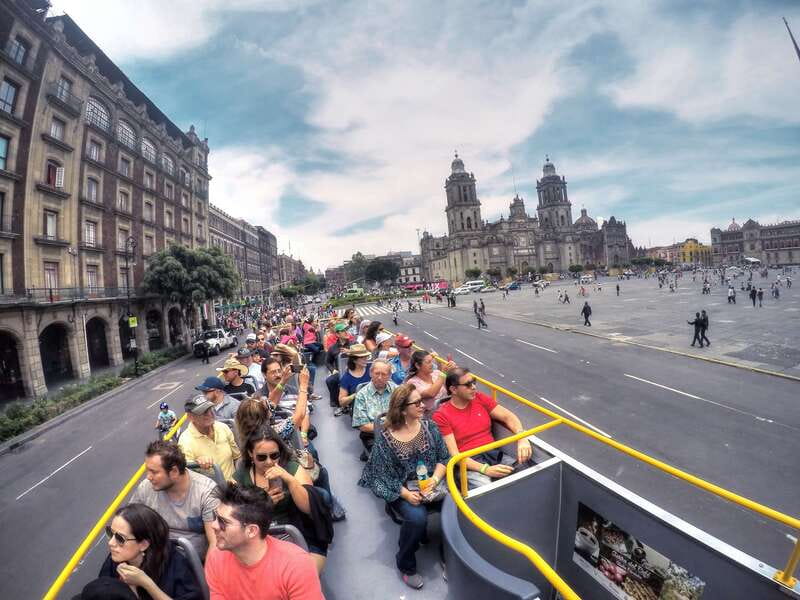
This pass works best when you treat each circuit like a different “edition” of Mexico City. Same city, very different vibes.
Historic circuit: the core of the story
The Historic Center route is built around classic Mexico City landmarks: architecture, monuments, and museums, plus the kind of street-level flavors that pull you off the curb. If it’s your first visit, this circuit helps you understand what you’re looking at before you go deeper later.
Coyoacán (South): art, culture, and a cooler pace
The Coyoacán circuit is aimed at Mexico City’s artistic side, with stops tied to culture and neighborhood character. This is where names like Frida Kahlo and the mood of the southside often come up, along with museum options you can pair with a long walk.
Basílica circuit: a spiritual landmark moment
The Basílica Circuit is about the spiritual side of Mexico City and the feeling of the area itself. You also get the chance to tour the halls of a major worship center that’s widely cherished in Mexico and Latin America.
There’s a real planning note here: the Basílica Circuit will be closed December 10–12. If your dates fall in that window, you’ll want to lean more heavily on the other circuits instead.
Polanco: upscale shopping and a different kind of energy
The Polanco circuit shifts gears toward a sought-after district—think shopping, upscale restaurants, and more polished surroundings. It’s a nice contrast when you’ve spent the morning near older monuments or working through museums.
Historic Center Circuit: monuments, museums, and street food energy

If you want Mexico City to feel like a living museum, the Historic Center circuit is the place to start. This route is set up for people who like to see how layers of the city connect—big landmarks outside, then museums and cultural stops nearby.
You’ll encounter major museum themes on this circuit, including areas tied to Templo Mayor Museum and the Museum of Anthropology and History. Even if you don’t go inside every museum (and you probably won’t), seeing how these institutions relate to the surrounding architecture helps you make smarter choices later.
One thing I suggest: don’t treat the Historic Center like one long line of indoor stops. Plan a split day. Ride, hop off, grab a meal or snack from the neighborhood energy, then return to the bus to move between museum clusters. It keeps you from burning out in one zone.
A practical drawback to factor in: the Historic Center can involve heavy pedestrian activity and traffic slowdowns. That doesn’t ruin the pass, but it can affect how quickly you get to your next stop—so don’t stack every ticketed attraction back-to-back.
Coyoacán (South) Circuit: art-forward streets and famous names within reach
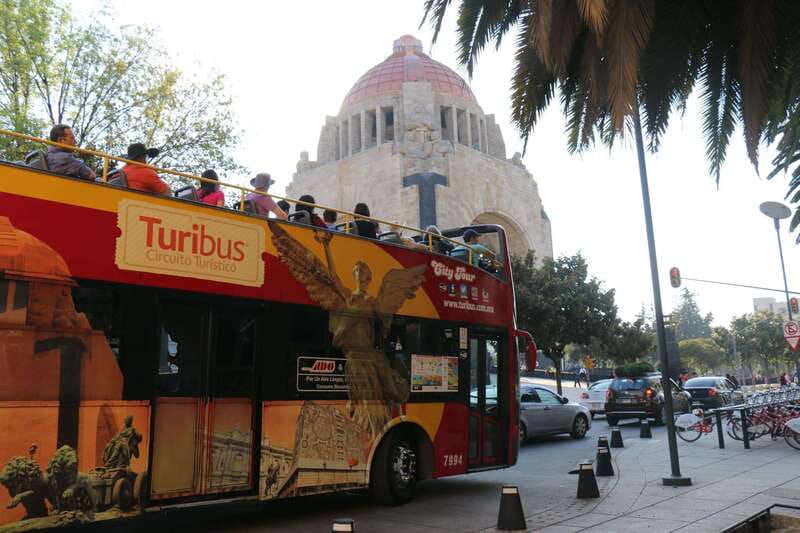
Coyoacán is where Mexico City feels more human-scale—less about grand monuments and more about vibe, culture, and neighborhood pace. The Coyoacán circuit is built for that: hipster-leaning energy, food and traditions, and a “walk a while, then ride again” rhythm.
This is also where museum options you might want to plan around become especially relevant. You can find places like the Rufino Tamayo Museum and the Museum of Contemporary Art, and it’s also in the orbit of major cultural names such as Frida Kahlo. With hop-on hop-off service, you can pair a museum visit with time to wander nearby streets on foot.
My advice here is simple: pick one anchor activity in Coyoacán and let the rest be flexible. That might be a museum you really care about, or a long walking stretch where you stop whenever something looks worth a photo.
You’ll still want to watch for one logistical risk: timing at stops. If you jump off expecting a quick ride to the next stop and the bus is running less frequently, you can lose momentum. Build extra time into your Coyoacán day and keep your must-dos to one or two ticketed attractions.
Basílica Circuit + Polanco: two very different day moods
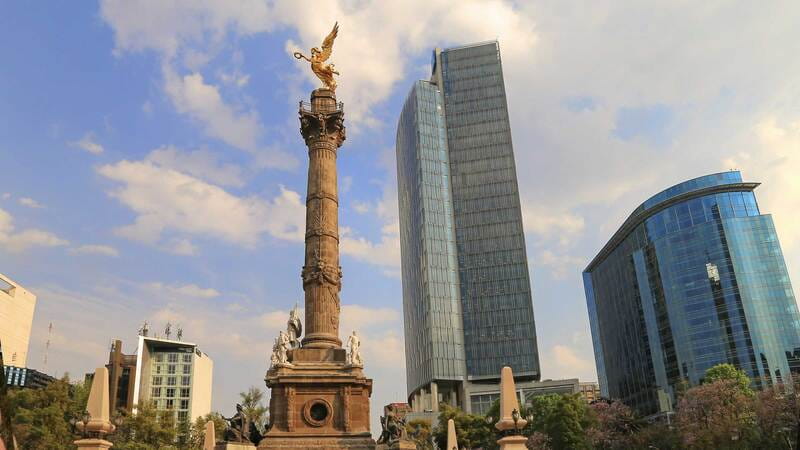
These two circuits do a great job of showing how Mexico City can flip personalities between morning and afternoon.
Basílica Circuit: a powerful spiritual stop
The Basílica Circuit focuses on the spiritual side of the city. You’ll see the worship center area from the bus and also get the chance to tour the halls once you hop off. It’s the kind of stop that often changes how you experience everything else in the city afterward—because it’s about place, ritual, and meaning, not just sightseeing.
If you’re planning dates around early December, remember the closure December 10–12. If that hits your schedule, don’t force it. Use the time for the Historic and Coyoacán circuits instead, then return to Basílica area later if you can.
Polanco Circuit: shopping and a polished break from the crowds
Polanco is the “slow down and enjoy” circuit. It’s set up for upscale shopping, bars, restaurants, and parks—plus a sense of the city that feels a bit more international and styled.
If you’ve already spent a morning in museums or walking historic blocks, Polanco can be a welcome reset. Consider using it as a flexible food-and-shopping stop: hop off for a meal, browse for an hour, then get back on the bus when you want fresh air and movement.
Just don’t make Polanco your only plan. Mexico City’s best learning comes from contrast, and Polanco is contrast on purpose.
Audio guide in 9 languages: use it to turn riding into learning
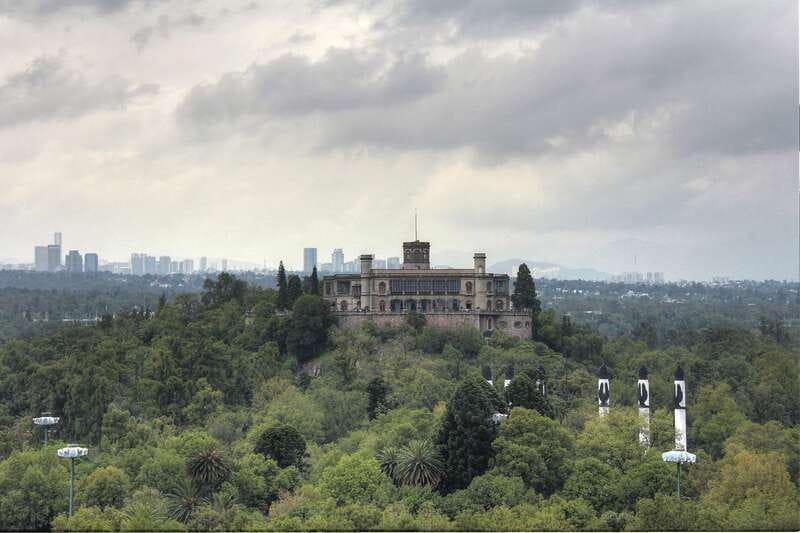
One of the most practical inclusions here is the audio guide with headphones. If you’ve ever ridden a bus tour where you’re stuck staring out the window without context, you’ll appreciate what this solves. You can listen while you watch, so each stop becomes something you understand instead of something you just pass.
The guide is available in multiple languages, including English, French, German, Italian, Japanese, Portuguese, and Spanish. That’s a strong set if your group includes mixed languages, or if you want to switch languages day-to-day.
How to use it well:
- Start the audio as soon as you’re on board so you get the overview before you hop off
- Save the “must-see” stops for later, rather than treating every mention as a command
- Use it to choose what kind of stop you want next: museums, monuments, or neighborhood wandering
The headphones also help you avoid that annoying pattern of trying to read little details while also dealing with street noise. The bus becomes a moving lesson.
Timing, signage, and the real risk: waiting for the next bus

The biggest make-or-break for hop-on hop-off passes is not the sights. It’s the flow between stops. And here, you’ll want to plan realistically.
Some circuits can be frequent, but others may run around once per hour. That means if you hop off for a long stop, you could end up waiting longer than you expected at that exact point on the route. One practical way around it is to treat your hop-offs like choices, not like certainty. If you want a long meal or a big museum, plan for a bit of waiting on the return ride.
Also, station visibility matters more than you’d think. A few people have noted that stations can be poorly signposted, which turns a simple boarding task into a hunt. The fix is to take a moment to confirm you’re at the right stop before you commit time on foot.
If you’re short on time, using taxis or app rides can rescue your schedule. It’s not part of the pass, but it can be worth it when timing gets messy.
Finally, remember that itineraries can change due to weather, traffic, road closures, or public demonstrations. That’s normal city life. The bus may route differently, so don’t assume the street-level plan is identical every day.
What to bring and how to plan your 2 days (without exhausting yourself)
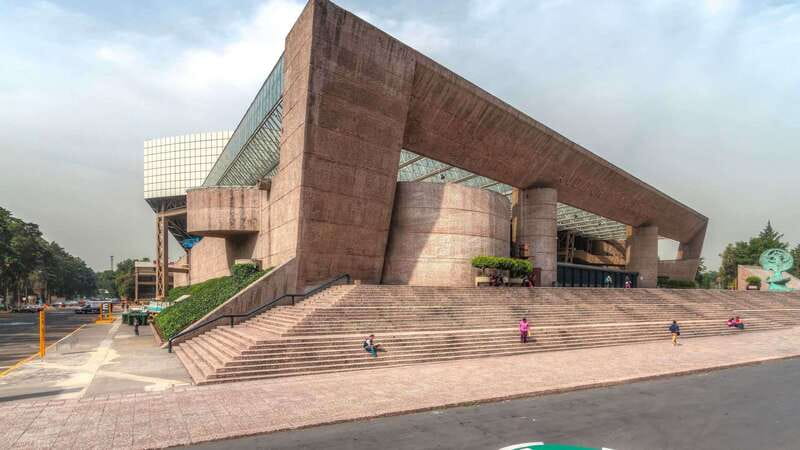
This tour is a deck-and-walk experience, so prep matters. Bring comfortable shoes, a sun hat, and a camera. Mexico City sun can be intense, and you’ll likely be standing on and off the bus more than you expect. Also pack a mix of cash and card, plus an ID (a copy is accepted).
Onboard rules are straightforward: no smoking and no alcohol or drugs in the vehicle.
A smart two-day strategy I’d use
Day 1: Ride one or two circuits enough to map your interests. Hop off briefly, get your bearings, and use the audio guide to decide what deserves deeper time.
Day 2: Go targeted. Pick one circuit as your “anchor day” (for example, Historic Center or Coyoacán), then use a second circuit for contrast—Polanco for a different vibe or Basílica for the spiritual landmark feeling.
Also, keep your expectations aligned with reality: some of your best experiences will be the time between hop-offs—parks, street corners, and museum areas you choose to linger in.
Who this suits best (and who should skip it)
This is a great fit if you want flexibility. If you like planning in motion—riding first, deciding second—this pass matches that style.
It also works well for people who enjoy mix-and-match sightseeing: museums one moment, neighborhoods and food the next. The circuits are broad enough that you can tailor your days without needing a separate plan for every district.
Two cautions:
- Wheelchair users: the pass is not suitable for wheelchair access based on the provided info.
- Time-sensitive schedules: if you’re trying to hit exact museum entry times with no buffer, the waiting-time variation at stops could stress you out.
If you’re traveling in hot weather or during peak city activity, the deck-and-walk approach can still be a good move—just schedule slower walking sections and build in time for the bus rhythm.
Should you book the Turibus 2-day hop-on hop-off pass?
I’d book it if your goal is to see multiple sides of Mexico City without committing to a single neighborhood. With unlimited hop-on hop-off rides over two consecutive days, plus an audio guide in several languages, you get an easy way to organize your trip around districts instead of fighting transportation.
I’d think twice if you hate waiting or if your itinerary is packed with timed ticket entries and tight connections. Some circuits can mean longer gaps between buses, and station signage may not always be clear.
If you’re flexible, comfortable walking, and want a practical way to cover Historic Center, Coyoacán, Basílica, and Polanco in two days, this is one of the smoother ways to do it. And when you hit the right stop, the bus deck view makes it feel like Mexico City is unfolding in real time.
FAQ
How many routes can I ride with the 2-day pass?
You can ride all 4 circuits included with your ticket: Historic, Coyoacán, Basílica, and Polanco. Your ticket is valid across those circuits during your 2 consecutive days.
Does the pass include the audio guide and headphones?
Yes. Your ticket includes an audio guide and headphones.
What languages are available for the audio guide?
The audio guide is listed as available in English, French, German, Italian, Japanese, Portuguese, and Spanish.
Do I have to use the ticket over two consecutive days?
Yes. The ticket must be used over 2 consecutive days.
Is the Basílica Circuit ever closed?
Yes. The Basílica Circuit is closed from December 10th to December 12th.
Is this tour refundable if routes change due to traffic or weather?
The information provided says that tickets are not refundable due to situations like weather, local traffic, road closures, or public demonstrations.