Seeing Mt. Fuji at 5th Station altitude is the big draw, and the added stops at Oishi Park and Chureito Pagoda make this feel like more than a simple transfer day. You get a licensed English guide interpreter to explain what you’re looking at, plus a real sit-down lunch with a Japanese or vegetarian option. The main catch: if weather or road conditions block views, you can’t count on Mt. Fuji being visible, and there’s no refund for that.
This tour is built for convenience. You start and end at Shinjuku (not a hotel), and the bus handles the back-and-forth so you’re not wrestling with schedules, transfers, and signage in a day with limited daylight. Just know it’s still a full 9-hour outing with a lot of stepping—especially if you plan to climb the stairway at Arakurayama Sengen Park.
In This Review
- Key things worth marking on your plan
- Price and what you’re really paying for
- Starting in Shinjuku: simple pickup, timed for the day
- Mt. Fuji 5th Station: the altitude stop that changes everything
- Oishi Park: the classic Mt. Fuji-over-water moment
- Fujikawaguchiko lunch: where your stomach votes for the tour
- Lake Kawaguchi by bus: bridge views without the walking tax
- Arakurayama Sengen Park and Chureito Pagoda: the steps are the price
- The guide factor: names you may hear and why it matters
- Weather and road changes: what to do with the uncertainty
- A few logistics that can quietly affect your comfort
- Who this tour fits best
- Should you book this Mt. Fuji day trip?
- FAQ
- Where does the tour start and end?
- How long is the Mt. Fuji, Oishi Park & Arakurayama Pagoda bus tour?
- What lunch options are included?
- Will I definitely see Mt. Fuji?
- How much walking is involved at Arakurayama Sengen Park?
- If the 4th or 5th station can’t be reached, what happens?
Key things worth marking on your plan
- Mt. Fuji 5th Station at 2,300m: you ride up to a high point for views that most day-trippers never reach
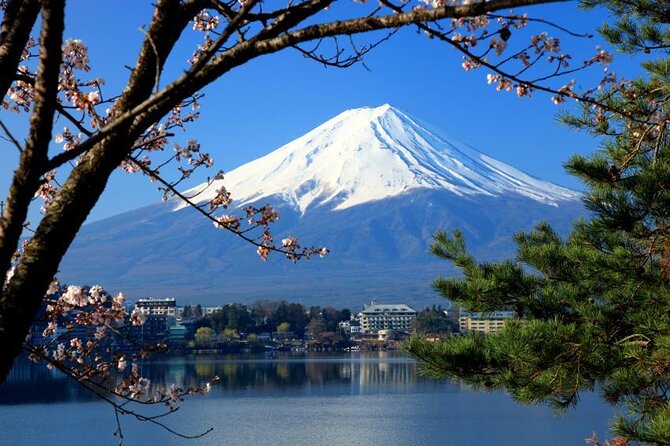
- Lake Kawaguchiko photo moments: Oishi Park and a bridge crossing give you multiple angles from the bus and on foot
- Chureito Pagoda requires 398 steps: plan on about 15 minutes up one way, with an option to take breaks
- Japanese or vegetarian lunch included: served at Hotel Regina Kawaguchiko or Highland Resort Hotel & Spa
- English guide interpreter for context: you’ll get explanations that help the scenery make sense, not just pose photos
- Weather/road realities are baked in: the itinerary can shift to Oshino Hakkai or Fujisan World Heritage Center if needed
Price and what you’re really paying for
At $99.10 per person for an approximately 9-hour day trip, this isn’t a bargain bus ride. It’s closer to paying for a guided experience with transportation handled end-to-end.
Here’s the value math that matters:
- Round-trip bus fare from central Tokyo (Shinjuku) is included, and the tour uses a set departure point rather than hoping you find the right train and platform.
- Lunch is included, with a meat/fish Japanese meal or a vegetarian alternative.
- A national government licensed English guide interpreter is included, which can be the difference between just seeing Mt. Fuji and understanding why each spot matters.
What’s not included are any extra fees beyond what the tour lists. Most entrance admissions at stops are marked free in the itinerary, so your main “pay later” moment is usually just personal snacks (and yes, that means you can treat yourself if you want).
Starting in Shinjuku: simple pickup, timed for the day
Your start point is Shinjuku Station West 1 Chome-5 (Nishishinjuku). That’s a major hub, which sounds obvious until you try to do a Mt. Fuji day trip with your own transfers. Here, you’re spared the stress of figuring out which line gets you where.
The tour also uses a mobile ticket, so you’ll want your phone charged. The bus company is Hato Bus Co., Ltd., and it’s a maximum of 40 travelers, which is on the comfortable side for a day trip like this.
One practical thing: the tour doesn’t end back at Tokyo Station. It ends back near Shinjuku Station (West Exit) around 5:30 PM. If you were planning to hop onto another rail line from a different station area, this matters—build your schedule around Shinjuku.
Mt. Fuji 5th Station: the altitude stop that changes everything
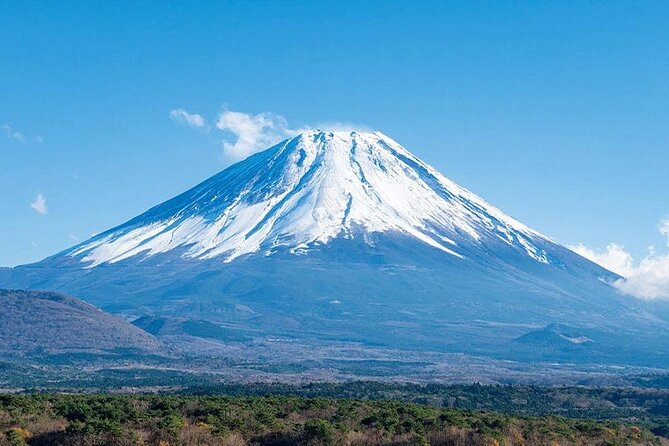
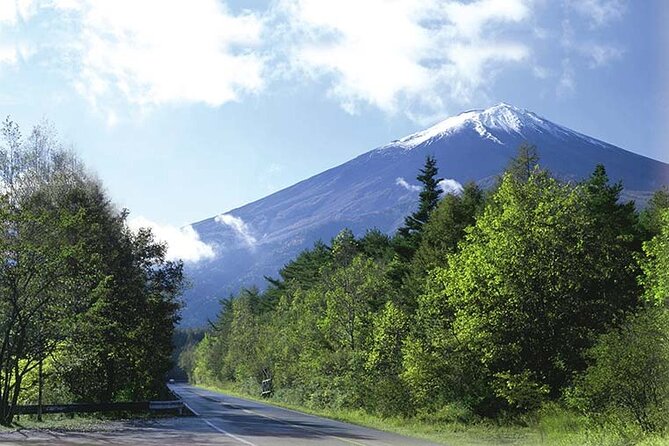
The first real wow factor is Mt. Fuji 5th Station. The bus climbs to about 2,300 meters (7,546 feet) along the Subaru Line, and you get roughly 40 minutes there. The altitude is the point: even in a short window, you feel the difference in air and temperature, and the views are the main reason people sign up.
This is also the stage where guides can make the mountain feel less like a postcard and more like a cultural icon. The guide interpreter is there to explain what you’re seeing and how Japanese culture connects to the mountain—so you’re not just scanning for the perfect photo angle.
My advice for this stop: bring a layer. Even if Tokyo is warm, the higher altitude can feel cooler. Also, keep an eye on timing. Forty minutes goes fast once you’re photographing and doing the quick walk-around.
Admission for this stop is listed as free, so you’re not adding extra cost just to reach the viewpoint.
Oishi Park: the classic Mt. Fuji-over-water moment
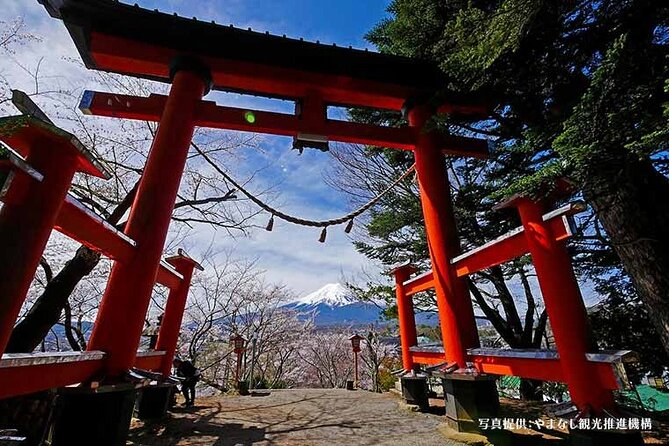
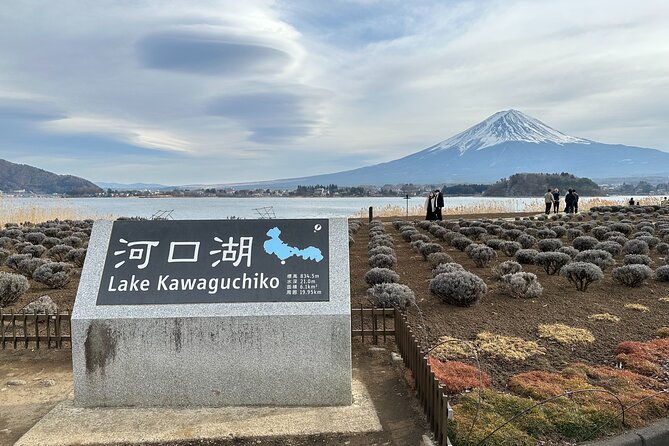
Next up is Oishi Park, with about 30 minutes. This stop is famous for a simple idea: Mt. Fuji rising beyond the lake. It’s one of those places where the scenery is doing the work for you—no effort needed beyond showing up at the right time and staying flexible about cloud cover.
This is also a good stop for people who prefer photos without a long hike. You can enjoy the view, wander briefly, and still stay on schedule for the rest of the day.
If the mountain is clear, Oishi Park becomes the kind of spot where you start checking the sky like you’re negotiating with it. If it’s not clear, it’s still a calm pause in the day—just with less drama. The tour is structured so you’re not stuck on only one hope.
Fujikawaguchiko lunch: where your stomach votes for the tour
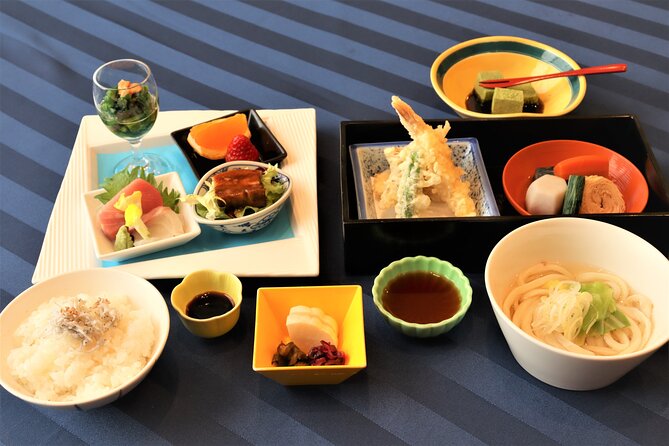
Lunch happens in the Fujikawaguchiko area. You get about 50 minutes, and you can choose in advance between:
- a Japanese lunch with meat and fish, or
- a vegetarian lunch
The meal is served at Hotel Regina Kawaguchiko or Highland Resort Hotel & Spa. The venue can change depending on circumstances, but you’re still getting the included lunch option your booking is tied to.
A key limitation: the data notes that Muslim-friendly meals, allergy-friendly meals, gluten-free meals, etc. are not available, and changes can’t be made on the day. So if you have dietary restrictions, handle it by booking the correct option category ahead of time (vegetarian has a separate tour code).
What to expect from this part of the day: lunch isn’t just fuel. In a guided day trip, it’s also where you settle into the rhythm—because after lunch you’ll tackle the steps and viewpoints that need energy.
Lake Kawaguchi by bus: bridge views without the walking tax
Between stops, you cross Lake Kawaguchi Ohashi Bridge and can look out from the vehicle window. It’s short and it’s not a long stop, but it adds variety to the day.
This is a smart inclusion for a couple reasons:
- It gives you another Mt. Fuji-and-lake perspective without adding extra walking time.
- It breaks up the pacing so you’re not only jumping from one location to another.
For many people, this is the kind of moment you don’t notice until you realize you’ve already seen multiple angles of the same view.
Arakurayama Sengen Park and Chureito Pagoda: the steps are the price
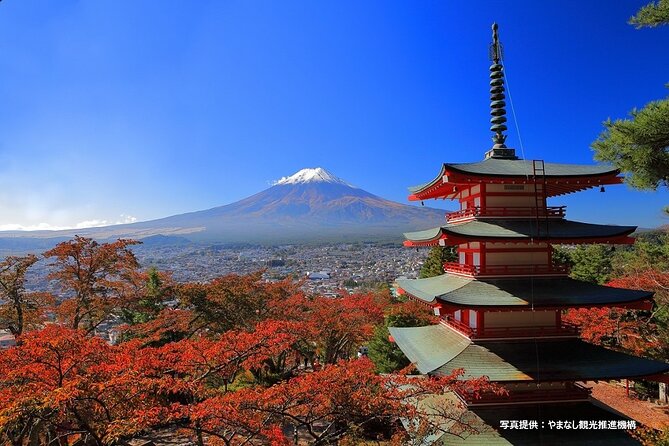
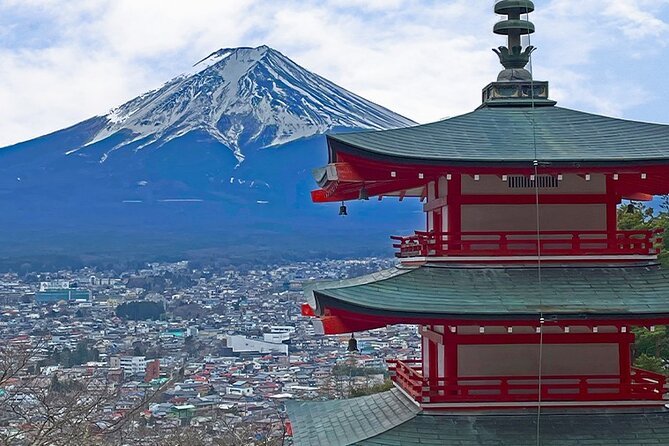
The final highlight is Arakurayama Sengen Park and the Chureito Pagoda, with about 1 hour 20 minutes on site. This park is known for scenic views with the city in the frame alongside Mt. Fuji when conditions cooperate.
To reach the pagoda, you climb 398 steps up from the Sengen Shrine area. The walk one way is about 15 minutes, and you should plan your pace. If you’re not confident with stairs, the tour info is clear that you may have to wait for a few minutes at the shrine area.
This is the stop that turns the day from easy sightseeing into a fitness test. You don’t need to be an athlete, but you do need to be realistic. If you take your time, you’ll still get the reward: classic Chureito Pagoda photos with Mt. Fuji in the background when visibility is good.
Also note the bus drop/pick logistics here: the bus disembarks and boards at Shimo-Yoshida Station on the Fujikyuko Line, and it’s about a 10-minute walk one way to Sengen Shrine. That’s extra on top of the steps. Build that into your expectations.
The guide factor: names you may hear and why it matters
A lot of the praise centers on the guides’ energy and explanations. Names that come up in feedback include Makoto, Saiki-Sun, and Atsushi.
- Makoto is described as thorough and informative across the day.
- Saiki-Sun is credited with deep knowledge and even teaching Japanese using symbols, which is the kind of small interaction that makes a sightseeing day feel like more than just a checklist.
- Atsushi gets attention for personality and humor, with a note that a short show element may be part of the tour experience.
Why you should care: Mt. Fuji isn’t just scenery. It’s part of how Japan talks about nature, religion, and identity. A guide who explains that turns your photos into memories with meaning.
Weather and road changes: what to do with the uncertainty
You’re going to Mt. Fuji from Tokyo, so you should plan for unpredictability. The tour states that Mt. Fuji may not be visible due to weather, and if that happens, the tour is not canceled and refunds are not given for lack of visibility.
There are also road contingencies. If the 4th or 5th Station can’t be reached because of freezing road surfaces, an accident on the Fuji Subaru Line, or other issues, the tour will be guided to Oshino Hakkai or the Fujisan World Heritage Center.
Also keep this in mind:
- The order of the itinerary can change due to road conditions.
- Traffic can delay arrival times, depending on the day and season.
My practical take: If you want Mt. Fuji pictures, pick a day when the forecast looks promising—but also accept that the mountain can hide. This tour is still structured so you get meaningful scenery even when the skyline refuses to cooperate.
A few logistics that can quietly affect your comfort
These are the small points that make the difference between a smooth day and a mildly annoying one:
- The bus may share seats with other customers if your group count is odd. It’s not inherently bad, just plan to be flexible.
- The bus will have its engine and cooling/heating turned off while waiting to help prevent global warming. That means longer waits could feel warmer or cooler depending on the season.
- The itinerary is approximately 9 hours, but timing can shift with traffic.
- You’ll be doing a mix of walking and stair climbing, especially at Chureito Pagoda.
Who this tour fits best
This works especially well if you:
- Want a guided, efficient Mt. Fuji day trip without figuring out transit.
- Like structured stops that mix views, culture, and a proper lunch.
- Are okay with moderate movement and stairs, provided you pace yourself at the pagoda climb.
It may be less ideal if you:
- Have trouble with stairs or long walking.
- Need a meal with very specific allergies or a specialized diet type, since allergy-friendly meals aren’t offered.
Should you book this Mt. Fuji day trip?
Yes, if your goal is to see the big highlights in one day with less hassle than self-planning. The combination of Mt. Fuji 5th Station, Oishi Park, Lake Kawaguchiko, and Chureito Pagoda is a strong lineup for the time you spend, and the included guide interpreter can make the experience feel purposeful.
I’d book with a realistic mindset. Weather can hide Mt. Fuji, and the tour won’t refund for that. But the day isn’t built on one single outcome. Even with substitutions like Oshino Hakkai or the Fujisan World Heritage Center, you’ll still get a classic Fuji-area route.
If you’re comfortable with stairs and want a day trip that’s actually organized, this is a solid choice.
FAQ
Where does the tour start and end?
The tour starts and ends at Shinjuku Station (West Exit area). The pickup point is Shinjuku Station West 1 Chome-5 Nishishinjuku, and the tour ends near Shinjuku Station around 5:30 PM.
How long is the Mt. Fuji, Oishi Park & Arakurayama Pagoda bus tour?
The duration is about 9 hours.
What lunch options are included?
Lunch is included, with a choice between a Japanese meal with meat and fish or a vegetarian meal. It’s served at Hotel Regina Kawaguchiko or Highland Resort Hotel & Spa.
Will I definitely see Mt. Fuji?
No. The tour notes that Mt. Fuji may not be visible due to weather, and it will not be canceled or refunded for that reason.
How much walking is involved at Arakurayama Sengen Park?
To reach the Chureito Pagoda, you climb 398 steps up from the shrine area. The walk up takes about 15 minutes one way, and some people may wait at the shrine if they’re not confident with the stairs.
If the 4th or 5th station can’t be reached, what happens?
If the 4th or 5th Station can’t be reached due to issues like freezing roads or accidents, the tour will be guided to Oshino Hakkai or the Fujisan World Heritage Center.